Hong Kong-based multi-strategy hedge fund Nine Masts Capital is making a significant push into commodities by hiring Janet Kong, the former chief executive of Hengli Petrochemical International, to build and lead a new derivatives trading desk in Singapore. Kong is expected to start next month, according to reports.
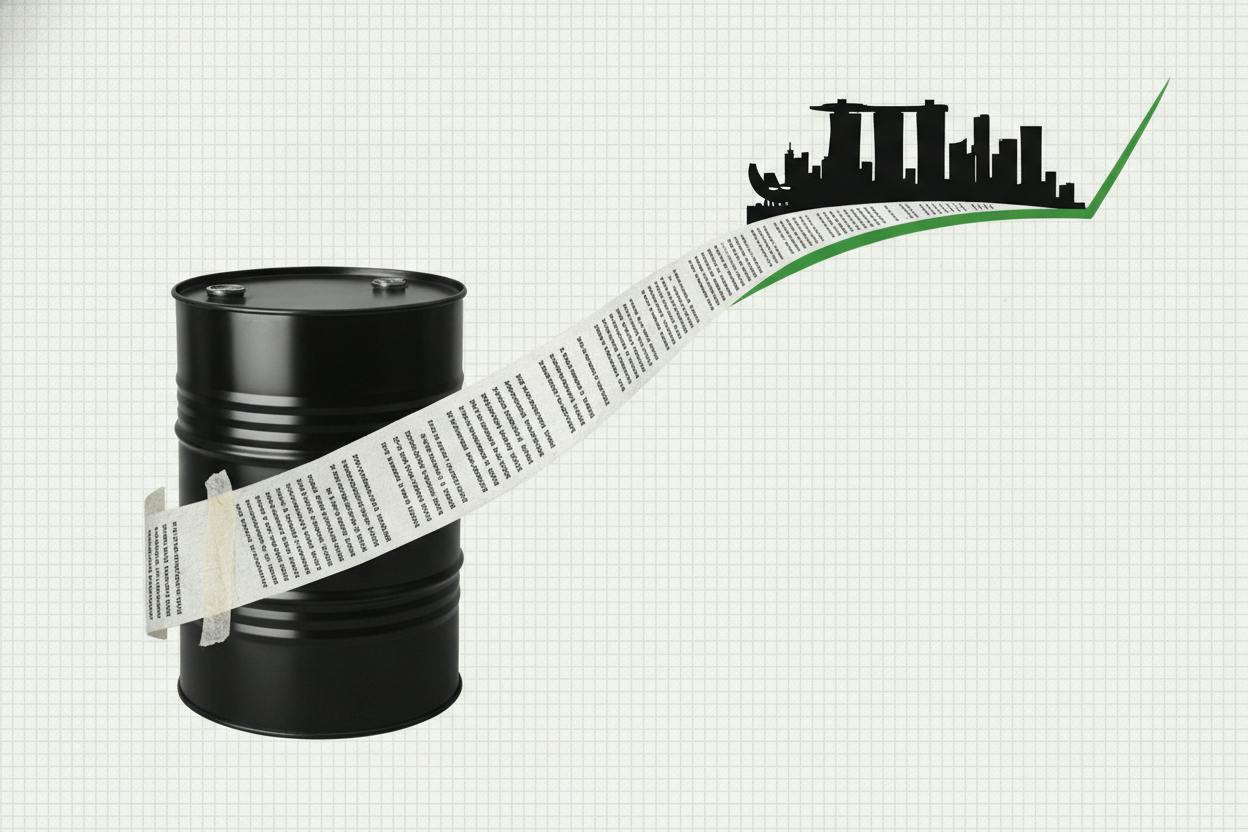
The move signals a strategic expansion for Nine Masts, which manages roughly $2.5 billion in assets. By setting up a dedicated commodities operation in Singapore, the fund is positioning itself to tap into one of the world's most active trading hubs for both physical goods and financial contracts tied to them.
Who is Janet Kong?
Kong brings a deep background in energy and commodity markets. Before her role at Hengli Petrochemical International, a major Chinese petrochemical trading arm, she held positions at Freepoint, a US-based commodities trading firm, and BP, the global energy major. Her experience spans both analytics and trading, giving her a broad view of how physical supply chains and financial markets interact.
At Hengli, she oversaw international trading operations, which likely involved managing large flows of crude oil, refined products, and petrochemicals. That kind of hands-on experience is valuable for a hedge fund looking to trade commodities derivatives, where understanding the underlying physical market is often key to making profitable bets.
Why Singapore?
Singapore is a natural home for a commodities desk. The city-state is a major hub for physical commodity flows, with vast storage and shipping infrastructure for oil, metals, and agricultural goods. It also hosts deep and liquid “paper” markets, such as futures and swaps, where traders can hedge or speculate on price movements without taking delivery of the actual goods.
This dual role makes Singapore attractive for funds like Nine Masts. Being close to physical traders and logistics providers can give a fund an edge in interpreting market signals, while the robust derivatives ecosystem allows for efficient execution of trades.
The move also comes at a time when commodity markets are seeing heightened volatility. For instance, cocoa prices have slid to four-month lows as funds pile into short positions, and aluminum stocks on the LME have hit eight-month lows, with nearly all of them being Russian-origin. These kinds of swings create opportunities for nimble traders.
What does this mean for investors?
For everyday investors, this hire is a reminder that hedge funds are increasingly looking to commodities as a source of returns. Commodities can behave differently from stocks and bonds, often moving in response to supply and demand shocks, geopolitical events, and inflation expectations.
When a fund like Nine Masts expands into commodities, it's betting that there will be enough price movement to generate profits. That doesn't mean individual investors should rush to buy commodity futures, but it does highlight the growing interest in this asset class.
For those with diversified portfolios, commodities can serve as a hedge against inflation. As hot US inflation has knocked Latin American currencies to seven-month lows, investors are watching how price pressures affect different assets. Commodities often rise when inflation is high, which can offset losses in other parts of a portfolio.
However, commodities trading is complex and risky. Prices can be extremely volatile, and factors like weather, political instability, and currency moves can have outsized effects. For most retail investors, the best way to gain exposure is through diversified funds or ETFs that track commodity indices, rather than trying to trade derivatives themselves.
What to watch next
Investors will be watching how quickly Nine Masts can build out its commodities desk and whether it can attract more talent. The fund's move also reflects a broader trend of hedge funds expanding into new asset classes to find returns in a competitive market.
With Kong's experience, the desk is likely to focus on energy and petrochemical derivatives, given her background. But it could also expand into metals and agriculture, depending on market conditions.
For now, the hire is a signal that Nine Masts sees opportunity in commodities, and that Singapore remains a key battleground for global trading firms. As China's iron ore imports have dropped to a five-month low and China's trade surplus has hit a record, the interplay between physical flows and financial markets will continue to shape commodity prices.
For the average investor, the takeaway is simple: commodities are an important part of the global economy, and the professionals managing large funds are paying close attention. Whether you choose to invest in them directly or not, understanding their role can help you make more informed decisions about your own portfolio.