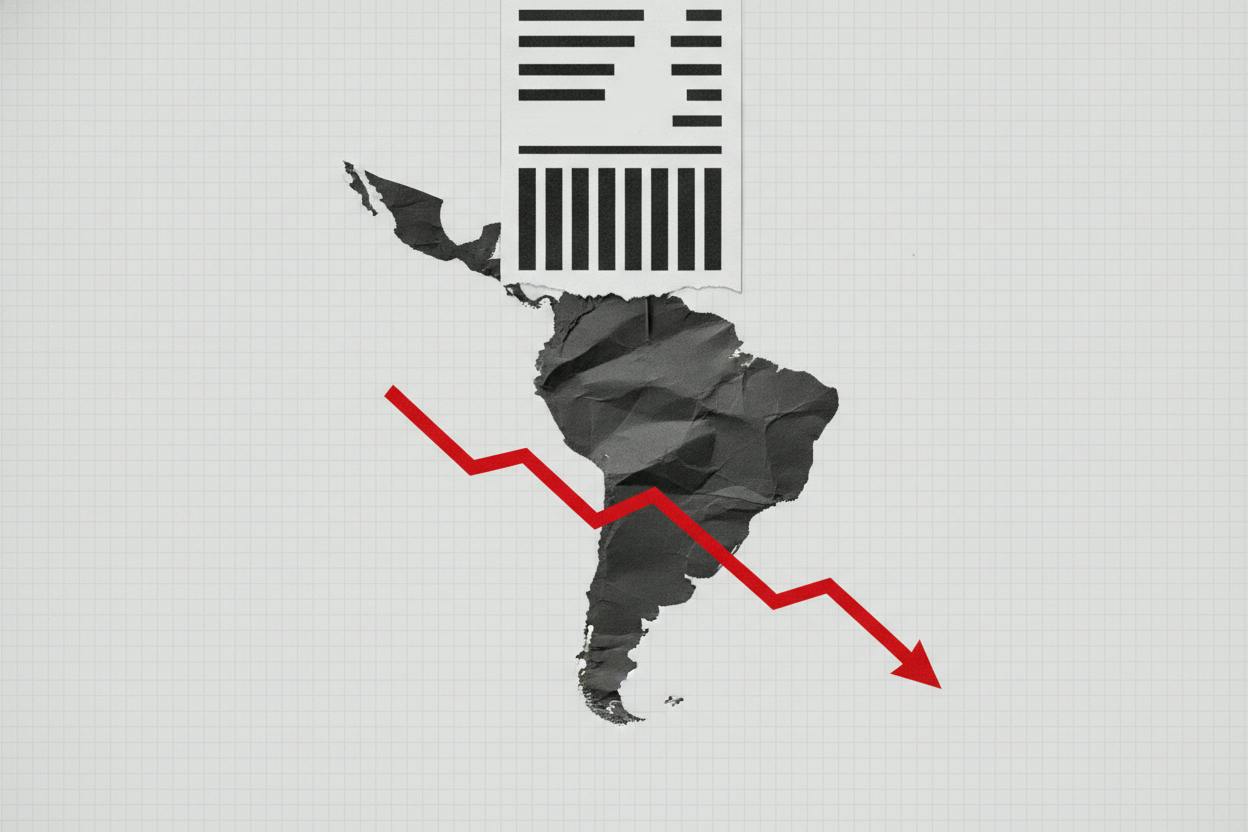
Latin American currencies slid to a seven-month low on [day] after a hotter-than-expected US inflation report boosted the dollar and reinforced expectations that the Federal Reserve will keep raising interest rates. The MSCI regional FX index, which tracks a basket of Latin American currencies, fell about 1% as traders moved to price in two quarter-point rate hikes by March.
Why the dollar is winning
The trigger was the latest US inflation data, which came in above forecasts. When US inflation runs hot, the Fed tends to respond by raising its benchmark interest rate. Higher US rates make dollar-denominated assets more attractive, drawing capital away from emerging markets and pushing their currencies down.
For Latin American currencies, the move is a reminder of how sensitive they remain to US monetary policy. A stronger dollar makes it more expensive for countries in the region to service dollar-denominated debt and can fuel imported inflation, since many goods are priced in dollars.
The selloff was broad-based, hitting currencies across the region. The MSCI index's 1% drop is significant for a single session, reflecting how quickly investor sentiment shifted after the inflation print.
What this means for investors
For everyday investors, the immediate takeaway is that a stronger dollar can ripple through global markets. If you hold emerging market funds or ETFs, a rising dollar can weigh on returns, both through currency losses and through pressure on local assets.
The situation is particularly tricky for Latin American central banks. Many, like Brazil's, have already raised rates aggressively to combat inflation. But if the Fed keeps hiking, local policymakers face a dilemma: hold rates to support their currency, or cut to boost growth. Brazil has held its key rate at 13.75% as inflation risks persist, and the new pressure from a stronger dollar may keep it on hold for longer.
Investors will be watching whether the Fed follows through on the market's expectations. If inflation stays sticky, more hikes could be on the table, which would likely keep the dollar firm and Latin American currencies under pressure. Conversely, any sign that inflation is cooling could ease the selling.
Broader market context
The dollar's strength is not just a Latin American story. It has also weighed on other currencies, including the British pound, which slipped as Fed hawkishness and hot inflation lifted the dollar. Even the Chinese yuan has been steadying as investors braced for the US data, with banks luring dollar deposits.
For commodity-exporting nations in Latin America, the picture is mixed. A weaker currency can boost export competitiveness, but it also raises the cost of imports and can stoke inflation. The region's heavy reliance on commodities like copper, oil, and soybeans means global demand and prices also play a role.
What to watch next
The key question is how the Fed responds. The market is now pricing in two quarter-point hikes by March, but that could change if upcoming data surprises. Investors should keep an eye on US inflation reports, Fed speeches, and any signs of stress in emerging markets.
For those with exposure to Latin American assets, the currency risk is a factor to consider. Diversification across regions and asset classes can help cushion the impact of a stronger dollar. As always, it's important to focus on long-term goals rather than reacting to short-term market moves.
The seven-month low is a reminder that global monetary policy remains a dominant force for emerging market currencies. Until the Fed signals a pause, Latin American currencies may continue to feel the pressure.