Nvidia-backed startup Upscale AI has unveiled a new platform called Token Fabric, which it says can connect AI processors from different vendors inside a data center without requiring customers to build custom networking integrations. The announcement, reported by Reuters, targets a growing bottleneck in the AI boom: the networking and software that shuttle data between chips.
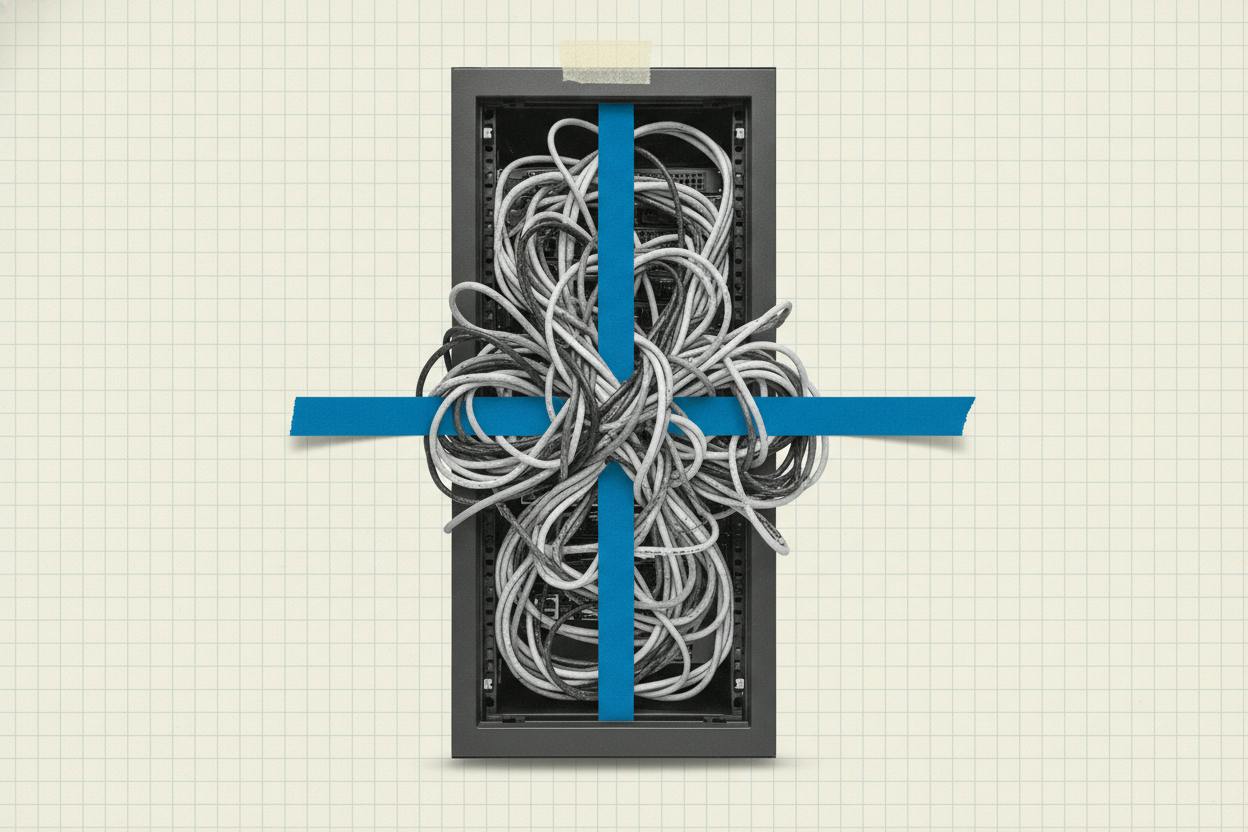
As AI data centers expand, many operators want to run "multi-vendor" clusters—mixing chips from Nvidia, AMD, and others—to avoid being locked into a single supplier. But the networking layer often becomes a choke point, requiring significant engineering effort to make different processors work together smoothly. Token Fabric is Upscale's attempt to standardize that layer, bundling its own networking chips with Nvidia's Spectrum-X-based equipment and software that identifies congestion and aging gear.
Why the networking layer matters
In a data center, processors are only as useful as the network that connects them. If data moves slowly between chips, expensive AI accelerators spend more time waiting than computing. That idle time directly hurts the economics of running an AI data center, which involves massive capital spending on hardware and energy.
Upscale's pitch is simple: if the plumbing is smoother, costly processors spend more time training models and less time waiting around, which improves data-center economics. The company's platform aims to reduce the integration work that currently makes multi-vendor setups difficult, potentially making it easier for operators to mix and match chips from different suppliers.
The first release of Token Fabric is due in the fourth quarter, with additional stages planned through 2027, according to Reuters. The company's CEO, Barun Kar, expects Token Fabric revenue next year in the tens of millions of dollars, with a path toward the low hundreds of millions as the rollout expands.
What it means for investors
Token Fabric could shift pricing power in the AI chip market. If Upscale's platform really reduces the work needed to mix chips from different vendors, it lowers switching costs that keep many data centers locked into one "full stack" supplier. That can give big cloud providers and so-called neoclouds more leverage when they negotiate for AI processors, because dual-sourcing becomes more realistic.
At the same time, better utilization—getting more useful compute from the same capital spending—makes the networking fabric and orchestration software a bigger piece of the value chain. That's the wedge Upscale is aiming for: selling the connective tissue (its chips plus Spectrum-X-linked setups) rather than competing head-on with the processors themselves.
Upscale was valued at $2 billion in June after a $190 million funding extension, per Reuters. The company's focus on networking infrastructure comes as the broader AI data center buildout continues to attract massive investment. For context, other Nvidia-linked ventures are also raising capital: Iambic Therapeutics, another Nvidia-backed firm, is targeting an $806 million valuation in its US IPO, and SpaceX is reportedly weighing $40 billion in debt to secure Nvidia chips for its own AI expansion.
The AI data center boom is also having ripple effects beyond tech. In Australia, the surge in data center construction could keep inflation sticky, as demand for electricity and construction materials rises. Meanwhile, companies like Applied Digital are seeing AI data center revenue soar, though losses are widening as they invest heavily in expansion.
For everyday investors, the key takeaway is that the AI boom isn't just about the chips themselves—it's also about the infrastructure that makes them work. Companies that solve the networking puzzle could become important players, even if they don't make the processors. As Upscale's rollout progresses through 2027, watch how much traction it gains with major cloud providers and whether it truly lowers the barriers to multi-vendor setups.