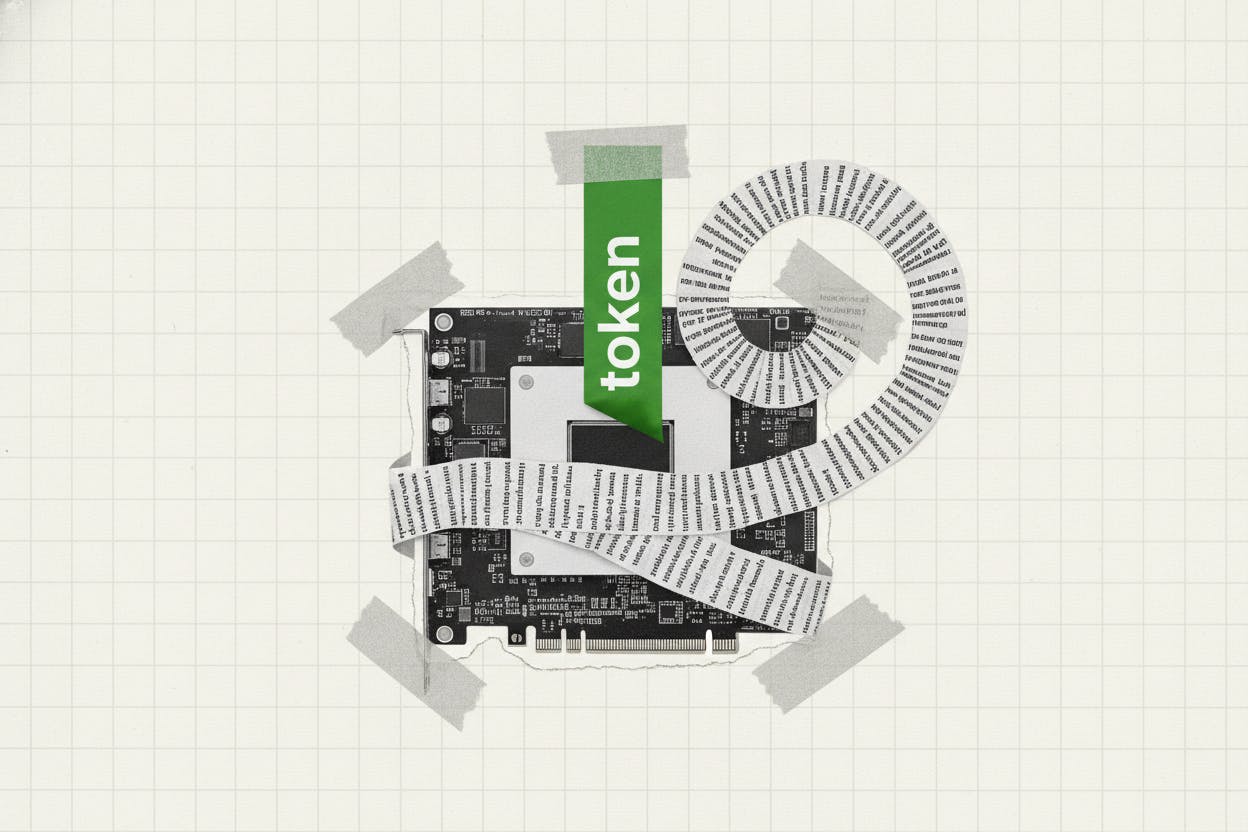
Nvidia is exploring a new financial model for its artificial intelligence infrastructure that could shift how developers pay for computing power. Instead of charging upfront fees for access to its chips and data centers, the company is proposing a system where developers receive token credits in exchange for a share of future revenue from their AI products.
The plan, reported by Bloomberg and attributed to a post by Nvidia CFO Colette Kress, is part of the company's broader DSX AI factories initiative. DSX aims to connect data center operators, cloud providers, and AI startups that need massive amounts of computing power to train and run their models.
How the Token Credit System Would Work
Under the proposed model, AI developers would receive token credits that they can use to access Nvidia's computing infrastructure. These credits would cover the cost of running models on Nvidia's hardware, including the energy, cooling, and networking required to operate large-scale AI systems.
In return, Nvidia would take a cut of the revenue those developers generate from their AI products once they reach the market. This is similar to a revenue-sharing arrangement, where the chipmaker becomes a financial partner in the success of the startups it supports.
For developers, the appeal is clear: they can get access to expensive computing resources without having to raise large amounts of capital upfront or wait to secure their own data center space, power contracts, and hardware. For Nvidia, the model creates a potential stream of recurring revenue tied to the commercial success of the AI applications running on its chips.
Why This Matters for AI Startups
Access to computing power has become one of the biggest bottlenecks for AI startups. Training large language models and running inference at scale requires thousands of specialized chips, which are expensive and often in short supply. Many smaller developers struggle to secure the hardware they need, especially as big tech companies like Microsoft and Amazon compete for the same chips.
By offering token credits, Nvidia could help bridge that gap. Startups that might otherwise be shut out of the AI arms race could get a foothold, while Nvidia gains a stake in their potential success. It's a model that has worked in other parts of the tech industry, such as cloud computing credits offered by Amazon Web Services or Microsoft Azure, but with a twist: Nvidia would be taking a share of revenue rather than just charging for usage.
However, the arrangement also raises questions. Developers would need to weigh the cost of giving up a slice of future revenue against the benefit of getting compute power now. For companies with high confidence in their products, the trade-off might be worthwhile. For others, it could mean handing over a significant portion of their earnings to a chip supplier.
What It Means for Investors
For everyday investors, this development signals that Nvidia is thinking beyond just selling chips. The company is trying to lock in a longer-term relationship with the AI ecosystem, ensuring that its hardware remains the platform of choice as the industry grows.
If the revenue-sharing model takes off, it could create a new income stream for Nvidia that is less tied to the cyclical nature of hardware sales. Instead of relying solely on one-time chip purchases, the company would earn ongoing royalties from the AI applications running on its infrastructure. That could make Nvidia's revenue more predictable and potentially more valuable over time.
But there are risks. The model depends on the success of the startups Nvidia backs. If many of those companies fail or generate little revenue, Nvidia's cut would be small. And if the model becomes too aggressive, it could push developers toward rival chipmakers like AMD or Intel, or toward custom chips being developed by companies like Google and Amazon.
Nvidia's move also comes amid broader market uncertainty. The tech sector has seen a selloff in recent months, with concerns about valuations and the pace of AI adoption weighing on stocks. Nvidia's revenue-sharing plan and Microsoft's $2.5 billion AI push failed to halt the tech selloff, suggesting that investors are looking for more concrete signs of profitability from AI investments.
Meanwhile, the competitive landscape is heating up. OpenAI has proposed that the US government take a 5% stake in leading AI developers, a sign that the industry is grappling with questions of governance and control. And Tesla's Shanghai deliveries rose 24% in June, but BYD's Q2 EV sales topped 557,000, highlighting the intense competition in adjacent tech-driven markets.
What to Watch Next
Investors should keep an eye on how many developers sign up for the DSX program and whether Nvidia discloses the terms of its revenue-sharing agreements. The company's next earnings report will likely include updates on the initiative, and analysts will be watching for any signs that the model is gaining traction.
Also worth monitoring is the reaction from cloud providers like Amazon Web Services, Microsoft Azure, and Google Cloud, which currently resell Nvidia's chips to developers. If Nvidia starts competing directly with them by offering its own compute credits, it could strain those relationships.
For now, the DSX plan remains a pilot. But it shows that Nvidia is willing to experiment with new business models to maintain its dominance in the AI chip market. For everyday investors, it's a reminder that the AI boom is still in its early stages, and the companies that succeed will be those that adapt to the changing needs of developers.