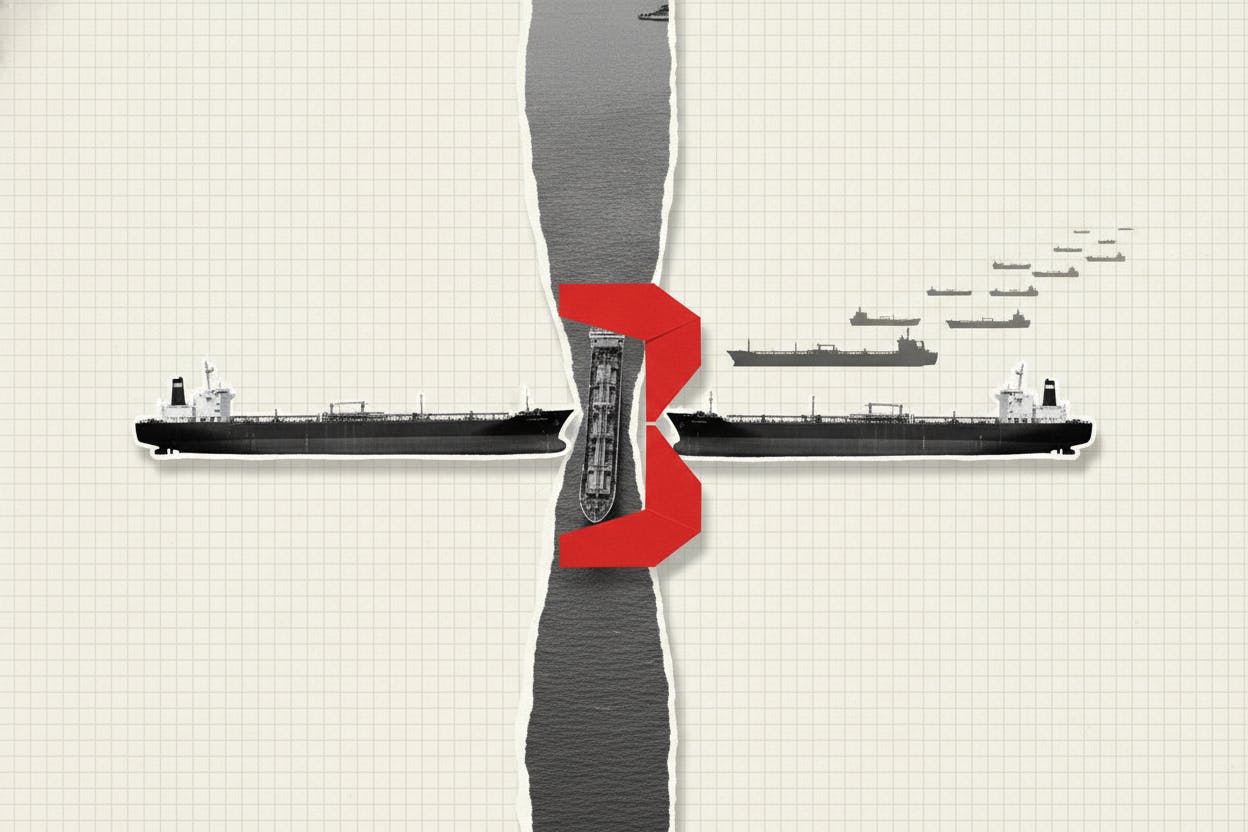
Oil prices ticked higher Monday after fresh military strikes between the United States and Iran slowed tanker traffic through the Strait of Hormuz, a critical chokepoint for global crude shipments. The uptick came even as both sides agreed Sunday to pause attacks and restart talks, highlighting how fragile the supply picture remains.
Brent crude, the international benchmark, rose 0.8% to $72.57 a barrel by 0207 GMT. US West Texas Intermediate (WTI) climbed 1.3% to $70.11. The gains follow a sharp selloff last week, when Brent fell 10.6% as shipments through the strait briefly hit their highest level since the conflict flared, leading traders to bet the supply squeeze would ease quickly.
What happened in the Strait of Hormuz?
The Strait of Hormuz, a narrow waterway between Iran and Oman, is a vital passage for about one-fifth of the world's oil supply. Any disruption there can quickly ripple through global energy markets. Attacks reported from Thursday—including on a Qatar-linked oil tanker, with a container ship also hit—pushed traffic lower again and forced traders to rethink their assumptions about a quick return to normal.
Even with the Sunday agreement to pause hostilities, the damage to infrastructure and logistics may take time to repair. ING, a Dutch bank, said there is “still plenty of risk,” while ANZ, an Australia and New Zealand bank, flagged the unglamorous constraints that can linger after headline tensions cool: tanker backlogs, damaged infrastructure, and production shut-ins that can keep supply below pre-conflict levels for months. Saudi Aramco, Saudi Arabia’s state oil giant, only just resumed crude loadings at Ras Tanura after a near four-month halt.
What it means for investors
For everyday investors, the key takeaway is that the oil market remains on edge. When a chokepoint like Hormuz is stop-start, the biggest impact often lands in near-term pricing rather than the headline daily move. Traders tend to pay a short-dated “insurance” premium for barrels that can arrive soon, which can lift prompt prices versus later delivery and keep options and tanker rates jumpy.
So even if the ceasefire-talks narrative caps outright prices, a slow clean-up of logistics could leave the front end of the oil curve and volatility firmer than last week’s slide suggests. That matters for refiners and airlines managing fuel costs, and for macro investors watching energy-linked inflation expectations.
Last week's sharp drop in oil prices had already weighed on energy stocks, as we covered in Oil Prices Tumble 3% as WTI Falls Below $70; Energy Stocks Mixed in Premarket. The latest uptick could provide some relief, but the broader trend remains uncertain.
Morgan Stanley recently noted that falling energy prices could keep the Federal Reserve on hold all year, as we discussed in Morgan Stanley: Falling Energy Prices Could Keep Fed on Hold All Year. If Hormuz disruptions push oil higher again, that could complicate the inflation picture and influence central bank policy.
For now, investors should watch for further developments in the talks and any signs of sustained improvement in tanker traffic. The market is likely to remain sensitive to headlines, with the potential for sharp moves in either direction.