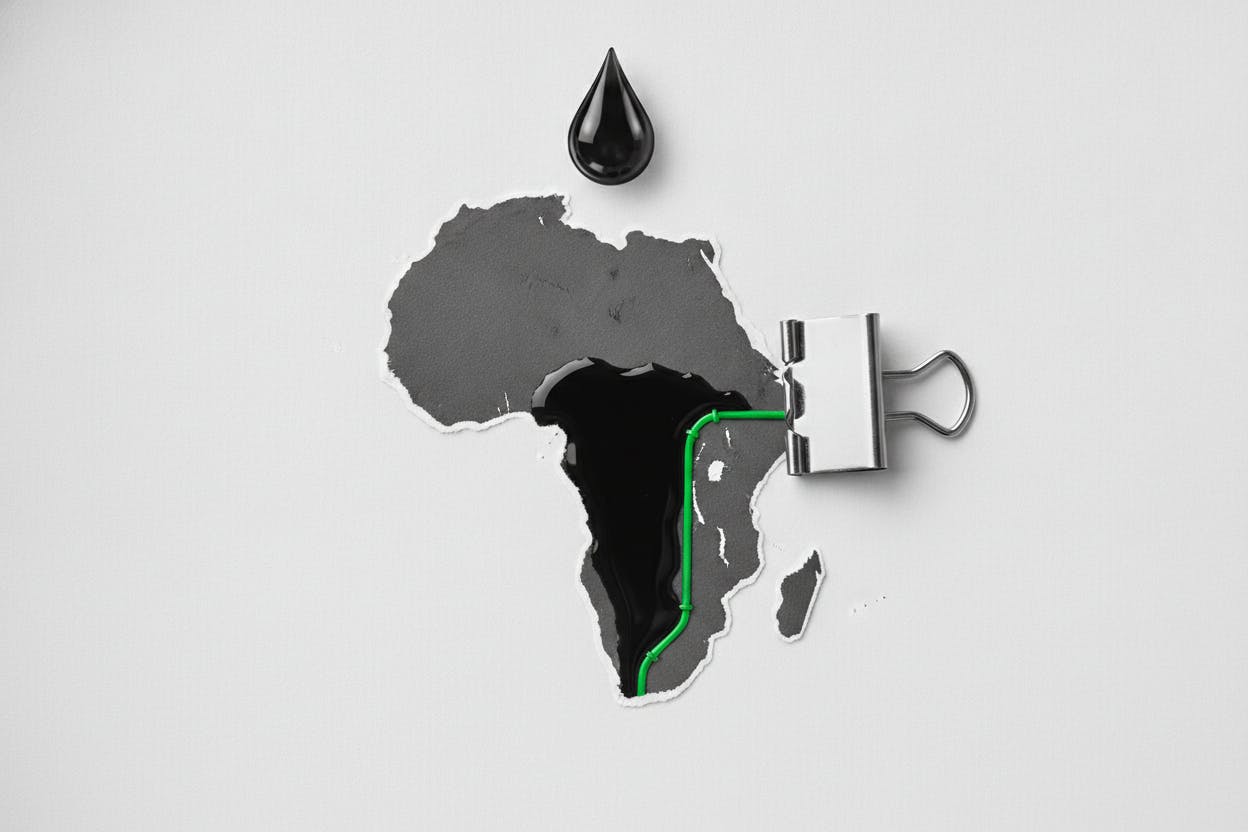
African markets opened Tuesday with a cautious tone, as a 1% rebound in oil prices and a wave of policy headlines from Nigeria and Mali set the direction. The moves come amid ongoing US-Iran tensions that continue to keep global investors on edge.
Oil prices steady as geopolitical risks linger
Crude oil recovered from a Monday dip, climbing about 1% as traders weighed the risk of supply disruptions from the prolonged standoff between the United States and Iran. Even with prices hovering near recent lows, the threat of escalation in the Middle East—a region that accounts for a significant share of global oil output—keeps a floor under the market.
For African oil exporters like Nigeria and Angola, higher crude prices are a welcome boost to government revenues and foreign exchange reserves. But for importers across the continent, every dollar increase in oil adds to fuel costs and inflation pressures. The recent drop in oil prices had offered some relief, but the latest bounce shows how quickly sentiment can shift when geopolitical risks flare.
Nigeria pushes gas and insurance reforms
In Nigeria, policymakers are advancing reforms in two key sectors: gas and insurance. The gas overhaul aims to unlock investment in the country's vast natural gas reserves, which have long been underdeveloped due to regulatory hurdles and infrastructure gaps. By streamlining licensing and pricing rules, the government hopes to attract both domestic and foreign capital to boost production and export earnings.
On the insurance front, Nigeria is pushing ahead with a recapitalisation drive that requires insurers to meet new minimum capital requirements. This is part of a broader effort to strengthen the financial sector and protect policyholders. According to recent reports, 43 firms have already met the new capital rules, but smaller players may struggle to raise the necessary funds, potentially leading to consolidation in the industry.
For investors, these reforms signal a government willing to tackle structural inefficiencies. However, implementation remains the key risk—past reform efforts in Nigeria have often stalled due to bureaucratic delays or political pushback.
Mali eyes mining revenue for infrastructure
In Mali, the government is looking to channel more mining revenue into infrastructure projects. The country is one of Africa's largest gold producers, but much of the wealth from its mines has historically flowed abroad or into private hands. By increasing the state's share of mining income and directing it toward roads, power, and other public works, authorities hope to address long-standing development gaps.
This move aligns with a broader trend across the continent, where resource-rich nations are seeking greater returns from their extractive industries. Gold miners have seen profits surge recently, which makes the timing politically attractive for governments to demand a bigger slice. But investors will be watching closely to see whether Mali's approach remains predictable and transparent, or whether it veers into resource nationalism that could deter future investment.
South Africa's rand holds firm despite weak data
In South Africa, the rand remained firm even after a downbeat July manufacturing survey. The data pointed to continued weakness in the industrial sector, but the currency shrugged off the news, buoyed by a supportive global risk environment. This illustrates how currencies can sometimes ignore local fundamentals when the broader mood is positive—a dynamic that investors should keep in mind.
The rand's resilience also reflects expectations that the US Federal Reserve may soon cut interest rates, which would weaken the dollar and benefit emerging-market currencies. Upcoming US jobs data could shift those expectations, so African markets may be in for a volatile week.
What it means for investors
For everyday investors, the key takeaway is that African markets are being pulled in two directions: external forces like oil prices and global risk sentiment, and internal policy moves that aim to reshape economies. Oil price swings can have outsized effects on African equities and currencies, especially in oil-exporting nations. Meanwhile, reform stories like Nigeria's gas and insurance overhauls offer potential long-term opportunities, but they come with execution risks.
Diversification remains crucial. Investors with exposure to African assets should be prepared for volatility driven by geopolitical headlines and commodity price moves. Keeping an eye on policy announcements from major economies like Nigeria and South Africa can provide clues about where the region is headed.
As always, it's wise to focus on the fundamentals—company earnings, debt levels, and governance—rather than chasing short-term market moves. The reforms being discussed today could take years to bear fruit, but they are worth monitoring for those with a long-term horizon.