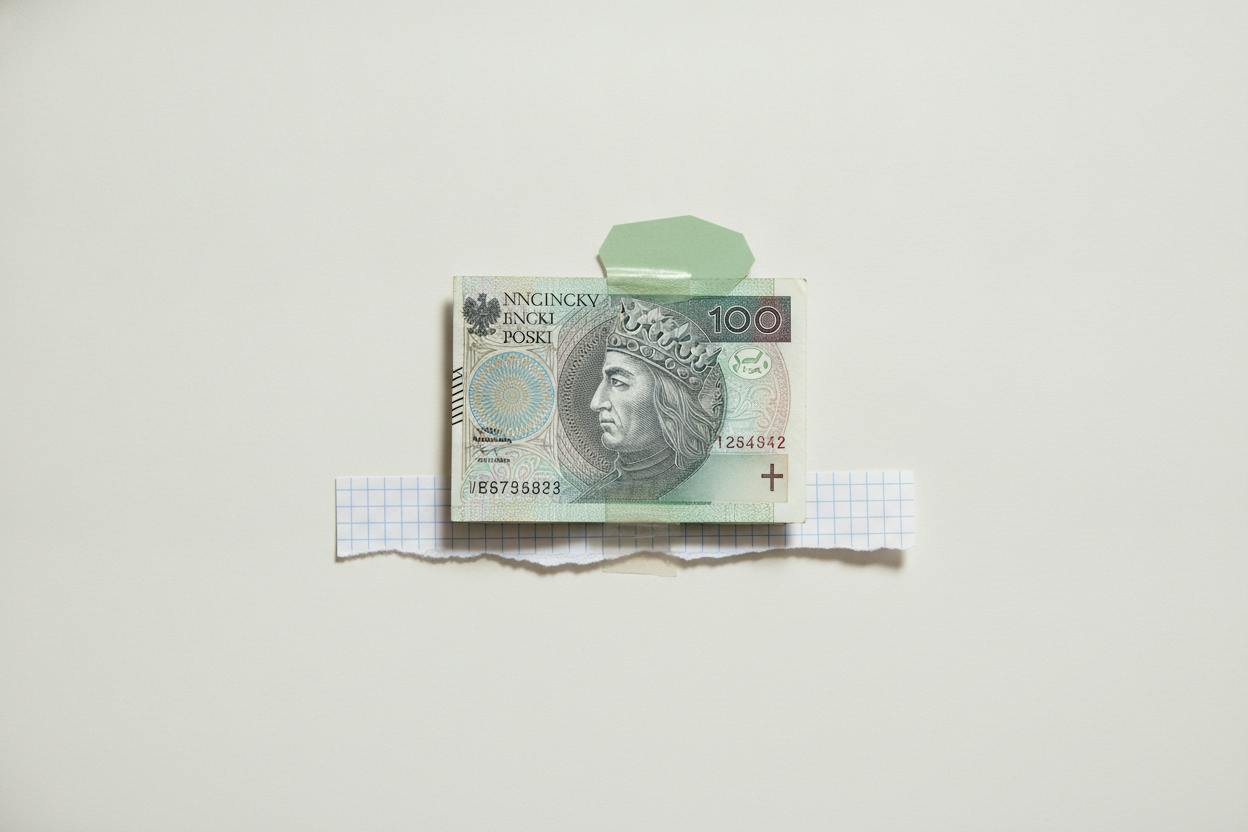
Polish households turned more cautious in October, as fresh data from the country's statistics office showed confidence slipping on both the current and forward-looking measures. The pullback suggests that consumers are feeling less secure about the economy and their own finances, even as inflation expectations ease.
Confidence gauges fall
The Current Consumer Confidence Indicator (BWUK) dropped 3.2 points from September to -14.0. That's a notable decline, and it signals that households are increasingly pessimistic about the state of the economy and their personal financial situations.
The deterioration was broad-based. Expectations for Poland's future economic situation fell sharply, down 7.6 points, while views of the current situation slid 6.9 points. Those are the biggest drags on the overall index, and they suggest that consumers are worried about what lies ahead.
That caution is starting to show up in behavior. The measure tracking plans for major purchases dipped 1.3 points, indicating that households may be holding off on big-ticket spending like cars, appliances, or home improvements.
Inflation expectations cool
One bright spot: the share of consumers expecting price increases over the next 12 months ticked down to 26.3%. That's a decline from the previous month, and it suggests that households are becoming less worried about inflation.
Cooling inflation expectations can be a positive sign for the central bank, which has been battling high price growth. If consumers believe prices will rise more slowly, they may be less likely to demand higher wages or push for pre-emptive price hikes, which can help keep inflation in check.
What this means for the economy
Consumer confidence is a closely watched indicator because household spending drives a large share of economic activity. When confidence falls, people tend to save more and spend less, which can slow growth.
The drop in October is particularly notable because it comes after a period of relative stability. The decline in the forward-looking component suggests that consumers are not just reacting to current conditions—they're bracing for tougher times ahead.
That could weigh on retail sales, services, and other consumer-facing sectors in the coming months. For businesses, it may mean softer demand, especially for discretionary goods and services.
What it means for investors
For investors, the weakening confidence is a signal to watch consumer-related sectors. Companies that rely heavily on domestic spending—retailers, restaurants, travel operators, and consumer goods makers—could see softer revenues if the trend continues.
On the other hand, easing inflation expectations could be a positive for bonds and interest-rate-sensitive assets. If the central bank sees inflation pressures fading, it may feel more comfortable pausing or even cutting rates, which can support bond prices and reduce borrowing costs for businesses.
It's also worth noting that Poland's economy has been resilient in recent years, and a single month's confidence dip doesn't necessarily signal a downturn. But if the trend persists, it could prompt analysts to revise their growth forecasts.
Broader context
Poland is not alone in seeing consumer sentiment wobble. Across Europe, households are grappling with high living costs, geopolitical uncertainty, and uneven economic growth. The situation in Poland echoes trends seen elsewhere, where confidence has been fragile even as inflation moderates.
For a deeper look at how consumer sentiment is moving in other regions, you can check out Australia's recent confidence slip or how trade tensions are affecting confidence in Canada.
What to watch next
Investors will be watching to see whether the October dip is a one-off or the start of a trend. Key data to monitor include retail sales, inflation readings, and any forward-looking surveys from businesses.
Also on the radar is the central bank's policy stance. If inflation expectations continue to fall, the bank may signal a shift in its approach, which could have implications for the Polish zloty and local bond yields.
For now, the message from Polish consumers is clear: they're more cautious, and that caution is likely to ripple through the economy in the months ahead.