The Reserve Bank of Australia (RBA) is walking a familiar tightrope: its interest rate hikes are slowing the economy, but inflation is proving more stubborn than hoped, partly because oil prices keep climbing. Deputy governor Andrew Hauser told a Citi investment conference on Wednesday that while policy tightening is "working" — the labor market is easing, consumer spending is weak, and housing demand has cooled — the inflation outlook looks "materially worse" than before.
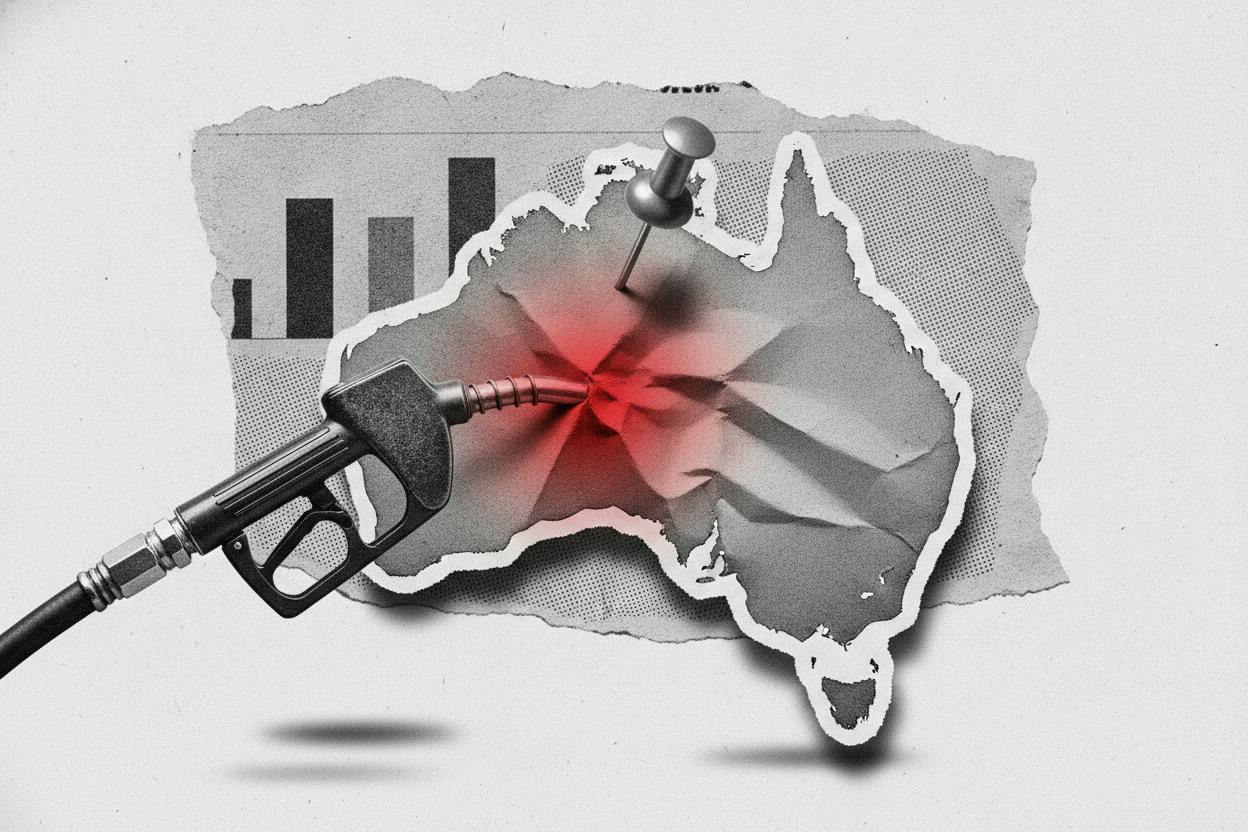
Hauser pointed to Brent crude trading around $108 a barrel, up from about $102 at the RBA's last meeting and roughly a third above what the central bank forecast in August. That jump matters because fuel costs feed directly into consumer prices, and the RBA can't simply undo an oil shock. What it can do is try to stop higher fuel costs from spilling into broader inflation expectations.
What's driving the stickier inflation?
The RBA has been raising interest rates for over a year to bring inflation back to its 2–3% target band. Higher rates typically cool demand by making borrowing more expensive, which should slow price growth. And there are signs that's happening: spending is weak, the jobs market is softening, and housing demand has cooled.
But inflation is a lagging indicator, and supply-side shocks like rising oil prices complicate the picture. When energy costs rise, they push up transport, manufacturing, and retail prices across the economy. Central banks have limited tools to address supply-driven inflation — raising rates can dampen demand, but it doesn't produce more oil.
Hauser's comments echo a broader global theme: many central banks are finding that the last mile of inflation is the hardest. In the U.S., the Federal Reserve has also noted that energy prices are a risk. Similarly, Canada's inflation data has fueled bets on another rate hike, and the Bank of England is weighing another move as wage growth stays hot.
What does this mean for the RBA's next move?
Markets are now pricing in roughly a 40% chance that the RBA will raise rates at its November 2–3 meeting. That's a significant shift from earlier expectations that the central bank might be done hiking. The RBA has held rates steady at its last few meetings, but Hauser's comments suggest the door to another hike is open.
For Australian borrowers, the stakes are high. A rate hike would push variable mortgage rates higher, adding to the financial pressure on households already dealing with elevated living costs. On the flip side, if the RBA holds off, it risks letting inflation become entrenched, which would require even more painful action later.
What it means for investors
For everyday investors, the key takeaway is that the RBA is still in inflation-fighting mode, and that's likely to keep interest rates higher for longer than many hoped. That has ripple effects across asset classes:
- Bonds: Higher rates tend to push bond yields up and prices down. Investors holding long-duration bonds could see more volatility.
- Stocks: Rate-sensitive sectors like property and consumer discretionary could face headwinds, while banks might benefit from wider net interest margins.
- Commodities: Rising oil prices are a double-edged sword — they boost energy producers but hurt airlines and other fuel-heavy industries. For example, LATAM Airlines recently trimmed its growth outlook due to high jet fuel costs, a reminder of how oil feeds into corporate earnings.
It's also worth noting that the RBA's dilemma isn't unique. Central banks globally are grappling with the same problem: how to tame inflation without crushing growth. The recent Wall Street rebound shows how sensitive markets are to any sign that oil prices might cool, as that would ease inflationary pressures.
The bottom line
The RBA's message is clear: inflation is not yet defeated, and oil prices are making the job harder. While the economy is slowing, the central bank is prepared to act if needed. For investors, that means staying alert to the possibility of another rate hike in November, and understanding that the path to lower inflation may be bumpier than hoped.
As always, it's wise to keep a diversified portfolio and avoid making knee-jerk moves based on a single speech. The RBA will have more data to chew on before its next meeting, and the picture could change.