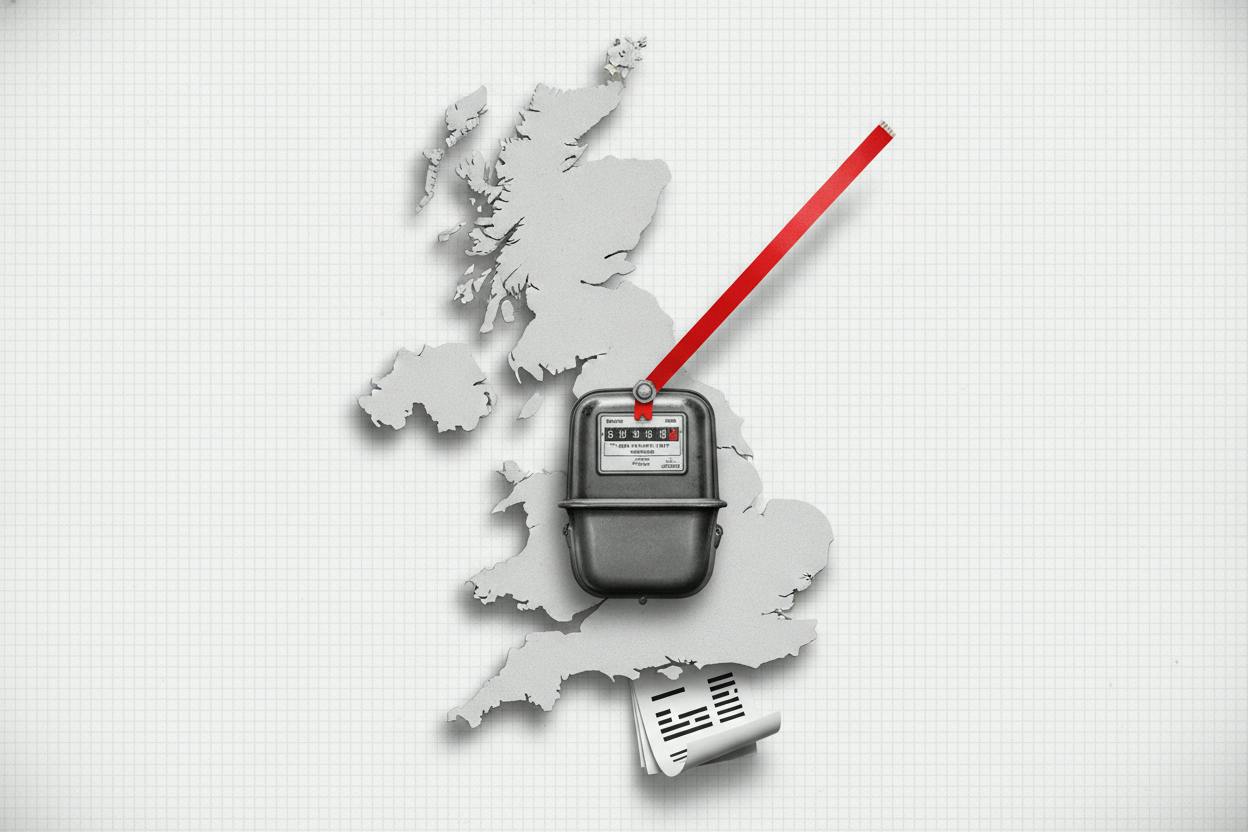
UK inflation accelerated more than expected in September, climbing to 3.5% from 3.1% in August, as higher energy costs pushed up household bills and put the Bank of England under renewed pressure to act. The reading came in above economists' forecasts and the central bank's own recent projections, intensifying speculation that interest rates will rise as soon as next month.
The jump was largely driven by energy. The UK relies heavily on imported natural gas, so the recent surge in wholesale prices has hit domestic bills harder than in many other countries. This is not just a UK problem—other economies are also feeling the pinch from higher energy and fuel costs, as seen in United Airlines' warning that fuel costs could erase $1 per share in Q4 profit and LATAM Airlines trimming its growth outlook as jet fuel costs stay high.
What does this mean for the Bank of England?
The Bank of England has said the energy shock has not yet fully spilled over into broader prices, but Governor Andrew Bailey has warned that the longer energy remains expensive, the stronger the case for higher interest rates. Investors have already moved, with money markets now pricing in a rise in the Bank Rate to 4% next month—which would be the first increase in three years.
This is a significant shift. For years, the Bank Rate has been at historic lows, and a hike would signal a turning point in monetary policy. The central bank's job is to keep inflation near its 2% target, and with inflation now well above that, it faces a delicate balancing act: raise rates too quickly and risk choking off economic growth; wait too long and let inflation become entrenched.
The situation is not unique to the UK. Central banks around the world are grappling with similar pressures, as Australia's central bank warned that inflation is getting stickier as oil prices climb. The global nature of the energy shock means that policymakers everywhere are watching the same data with concern.
Why should you care?
For most people, the immediate impact of higher inflation is felt in the cost of living—energy bills, food, and transport. But there is a less obvious channel: the mortgage market. When traders push up expectations for the Bank Rate, short-term funding and hedging costs rise in money markets, and lenders often pass that through quickly in new fixed-rate mortgage and remortgage offers.
So even if the Bank of England hasn't hiked yet, the cost of new borrowing can creep up as markets adjust to an inflation surprise. Households coming off a fixed deal, or trying to lock in a new one, may face higher quoted rates and monthly payments sooner than borrowers who are still protected by older fixes. In other words, the market's expectations can become a self-fulfilling prophecy, affecting borrowing costs across the economy before the central bank even moves.
This is a reminder that inflation is not just a statistic—it has real consequences for personal finances. For those with variable-rate loans or credit cards, the impact could be even more direct, as lenders may adjust rates in line with market movements.
What to watch next
The Bank of England's next policy meeting is scheduled for next month, and all eyes will be on whether it follows through with a rate hike. The decision will depend on a range of factors, including the latest inflation data, wage growth, and the broader economic outlook. If energy prices continue to rise, the pressure on the Bank to act will only intensify.
Investors will also be watching how other companies are coping with rising costs. For example, DNB beat Q3 profit forecasts despite tougher lending competition, and SKF beat profit forecasts but warned volatility still clouds demand—signs that some firms are managing, but uncertainty remains.
For everyday investors, the key takeaway is that inflation and interest rates are moving in tandem, and that has implications for everything from mortgage payments to the returns on savings accounts. While higher rates can be good news for savers, they can also weigh on stock valuations and increase borrowing costs for companies. It's a complex picture, and staying informed is the best defence.
As always, this is not financial advice—just a plain-English explanation of what the numbers mean for your money.