Taiwan's Powerchip Semiconductor Manufacturing has delivered a dramatic price increase for DRAM memory chips, lifting prices by 45% this month. The company also warned that the supply shortage driving these hikes could stretch into 2027, according to the Taipei Times.
What happened
At its second-quarter earnings briefing, Powerchip revealed it had raised prices for DRAM chips by 45% in July. The company also increased prices for power-management and display-driver chips by 10% to 15%. These higher-priced shipments are expected to start appearing in the current quarter's gross margin, a critical metric after Powerchip's second-quarter net profit fell to NT$3.29 billion—a 77% drop from the prior quarter.
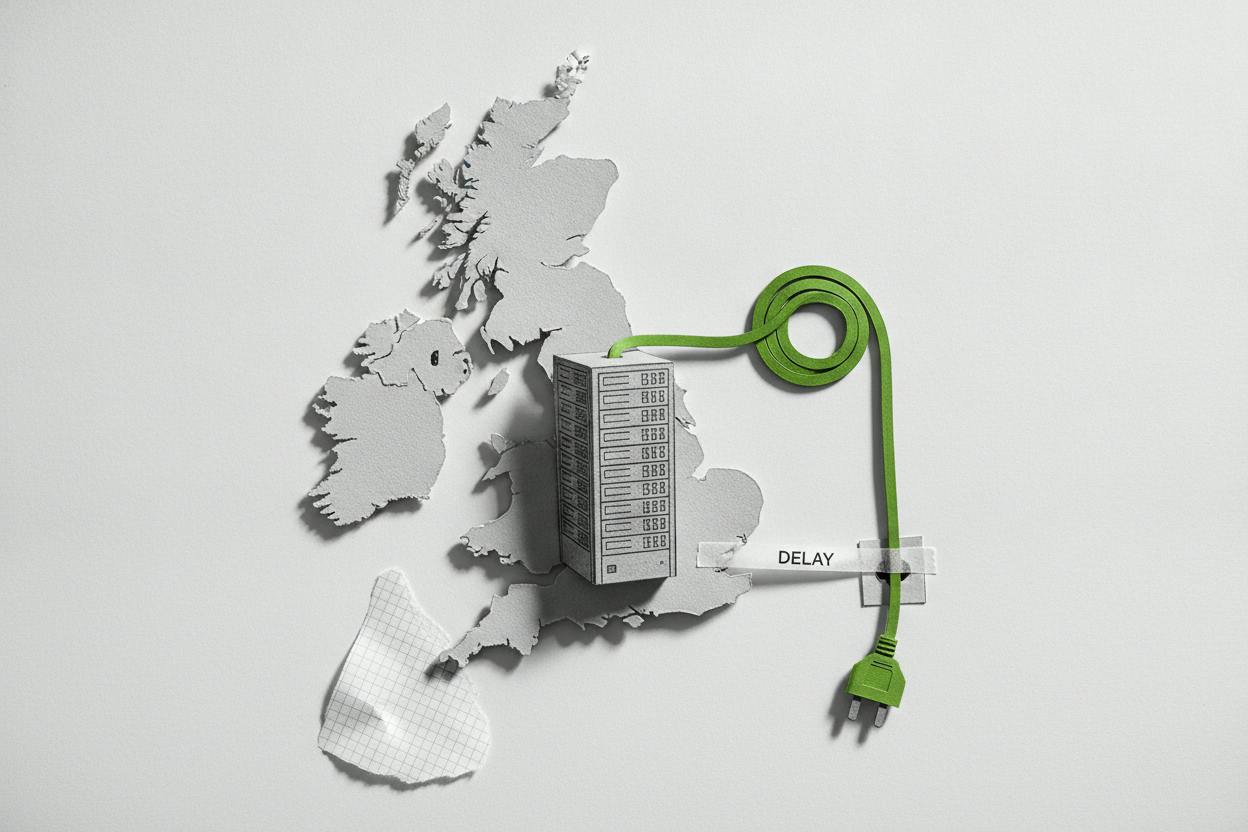
Powerchip's warning that the shortage is 'structural' and could last into 2027 suggests this is not a typical cyclical upswing. The company indicated more price increases are still on the table for the second half of the year.
Why DRAM pricing matters
For memory chipmakers like Powerchip, price changes have an outsized impact on profitability. A fabrication plant's costs are mostly fixed in the short run: depreciation on equipment, tools, and staffing don't change much quarter to quarter. So when DRAM pricing resets higher, more revenue can flow straight to gross profit once customers accept the new terms and take delivery.
This operating leverage means that a 45% price hike can dramatically improve margins, even if volumes remain flat. The catch is timing and customer pushback. With profits already down sharply in the second quarter, the near-term path for results depends on how fast buyers accept delivery at the new levels.
Broader market context
The memory chip market has historically been volatile, with boom-and-bust cycles driven by supply-demand imbalances. Powerchip's 'structural' shortage call into 2027 suggests a more sustained period of tight supply, forcing customers to plan for elevated memory costs. This also helps explain why Powerchip is leaning on AI-related foundry services for longer-term growth: it wants a steadier demand base than the notoriously lumpy memory market.
Meanwhile, other chipmakers are taking different approaches to manage price risk. CoreWeave Explores Put Options to Hedge Against Falling Chip Prices, highlighting how some players are preparing for potential downturns even as Powerchip pushes prices higher.
What it means for investors
For everyday investors, Powerchip's price hike is a reminder of how operating leverage works in capital-intensive industries. When a company with high fixed costs raises prices, a disproportionate share of that increase can drop to the bottom line. However, the sustainability of those price increases depends on customer acceptance and competitive dynamics.
The broader economic backdrop also matters. US Inflation Cools Sharply in June, Core Prices Flat as Fed Rate Hopes Rise, which could influence demand for electronics and memory chips. Lower inflation and potential Fed rate cuts might boost consumer spending, supporting chip demand.
Investors should watch for signs of customer pushback or alternative supply sources emerging. If Powerchip's customers accept the 45% hike, it could signal a new pricing regime for memory chips. But if buyers resist, the company may need to moderate its approach.
Looking ahead
Powerchip's next earnings report will be closely watched for evidence that the higher prices are flowing through to margins. The company's ability to maintain or increase prices in the second half of the year will be a key indicator of market tightness.
For now, the message from Powerchip is clear: memory chip shortages are here to stay, and prices are heading higher. Whether that translates into sustained profitability depends on how quickly the market adjusts to the new reality.