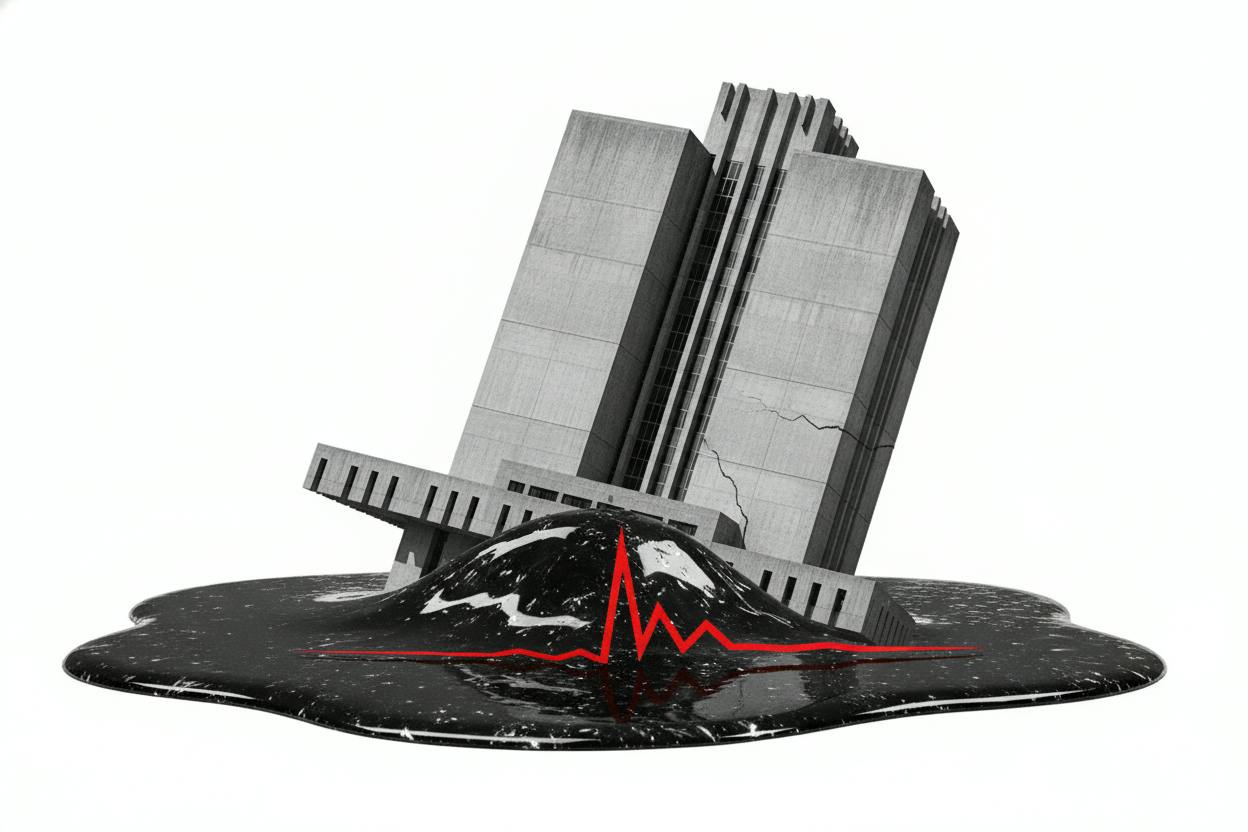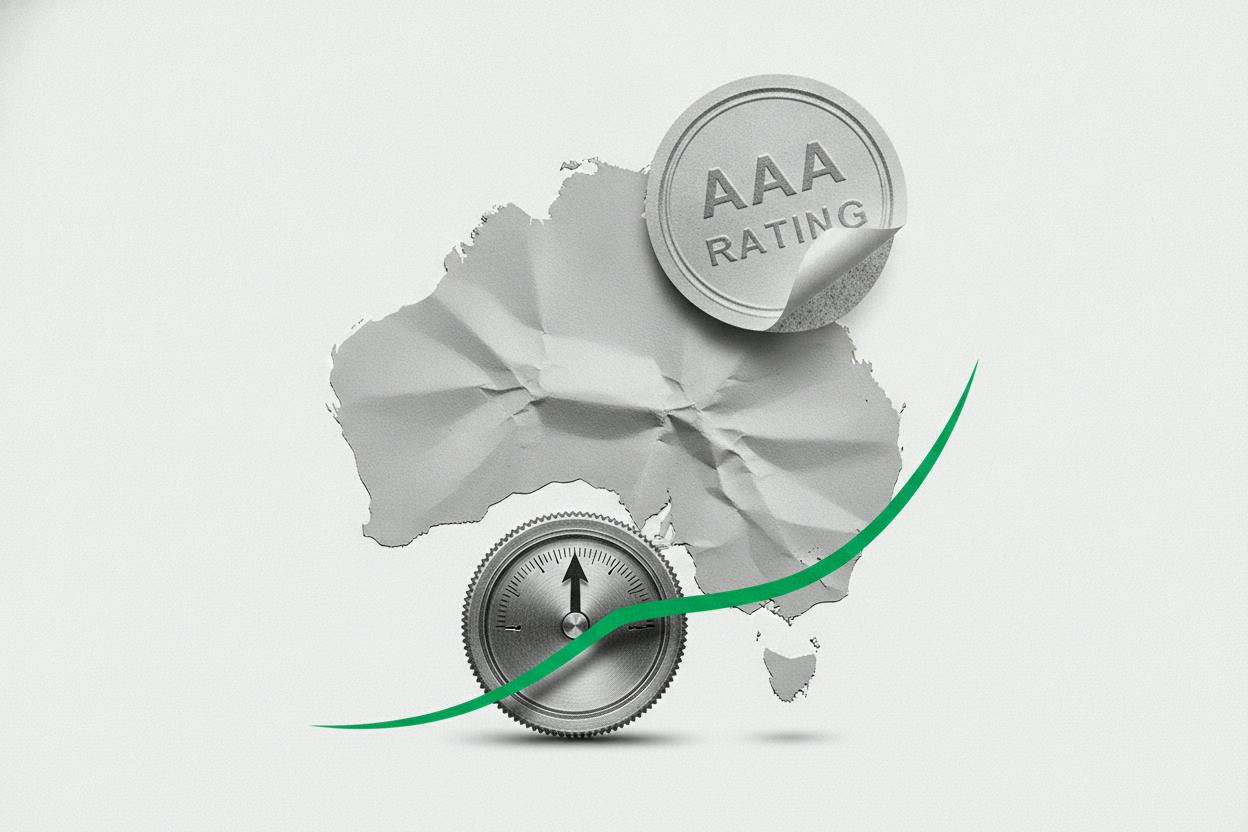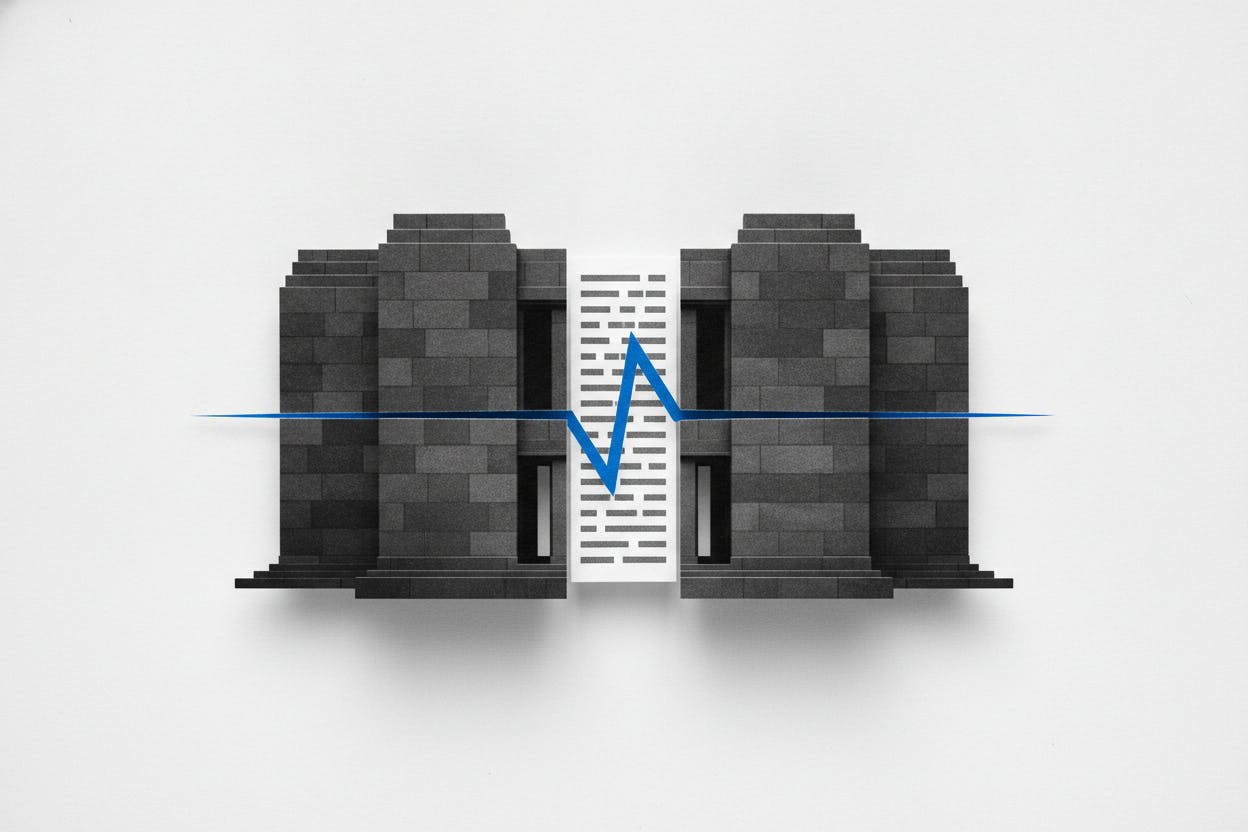
The Reserve Bank of Australia's board was seriously divided over whether to raise interest rates again at its August meeting, according to minutes released Tuesday. In the end, the central bank held the cash rate at 4.35%, but the debate shows policymakers are far from convinced that inflation is fully under control.
What the minutes reveal
The minutes, reported by Reuters, show that “several” members of the board saw upside risks to inflation. Some argued that it might be worth tightening policy early, rather than waiting for price pressures to reaccelerate. They worried that inflation could prove stubborn and that delaying action would only make it harder to bring down later.
However, other members pushed back, pointing to signs that the economy is already cooling. They noted that inflation has been easing, the unemployment rate has ticked up, and the housing market has softened. In their view, the current level of policy is already restrictive enough, and the RBA can afford to wait for more evidence before making any further moves.
The board ultimately decided to keep the cash rate at 4.35%, a level it has held since late last year. The RBA said it wants to see more data before its next meeting, scheduled for September 28-29.
Why the RBA is in a tough spot
The split reflects the delicate balancing act facing the RBA. On one hand, inflation remains above the bank's 2-3% target range, and there is a risk that price pressures could flare up again, especially if global energy costs or other supply-side shocks push prices higher. On the other hand, the Australian economy is showing clear signs of slowing, and further rate hikes could tip it into a sharper downturn.
This is not a unique dilemma. Central banks around the world are wrestling with similar questions, as they try to gauge whether the last mile of inflation will be the hardest. In the United States, for example, the Federal Reserve has also signaled that it is in no hurry to cut rates, and rising US yields and oil prices are keeping inflation fears alive. The RBA's cautious stance mirrors that broader uncertainty.
For Australian households and businesses, the key takeaway is that interest rates are likely to stay higher for longer. The RBA has not ruled out further hikes, and the minutes show that the case for another increase is still very much on the table.
What it means for investors
For everyday investors, the RBA's decision and the split on the board have several implications.
- Borrowers and savers: With the cash rate at 4.35%, variable-rate mortgage holders will continue to face elevated repayments. On the flip side, savers can still earn relatively attractive returns on term deposits and high-interest savings accounts.
- Bond and equity markets: The prospect of rates staying higher for longer tends to weigh on bond prices (pushing yields up) and can pressure growth-oriented stocks, particularly in sectors like technology and property. Conversely, banks and other financials often benefit from wider net interest margins.
- Australian dollar: A more hawkish RBA could support the Australian dollar, as higher rates attract foreign capital. However, the bank's decision to hold steady may limit any significant currency gains.
Investors should also keep an eye on the upcoming inflation data, which will be a key input for the RBA's September decision. If inflation comes in hotter than expected, the case for a hike will strengthen. If it cools further, the board may feel more comfortable holding steady.
The RBA's next meeting is set for September 28-29, and the minutes suggest that the debate will be just as intense as it was in August. As markets await the next inflation print, the path of Australian interest rates remains one of the most closely watched stories in the region.
For now, the message from the RBA is clear: it is in no rush to move, but it is not done yet. Investors should prepare for the possibility of more volatility in the months ahead.