RBC Capital Markets has trimmed its profit forecasts for Spanish energy giant Repsol, pointing to weaker refining margins, but the bank is sticking with its bullish view on the stock. In a note following Repsol's third-quarter trading update, RBC kept its “outperform” rating and its 38-euro price target, while still penciling in a share buyback of just under 1 billion euros.
Why refining margins matter
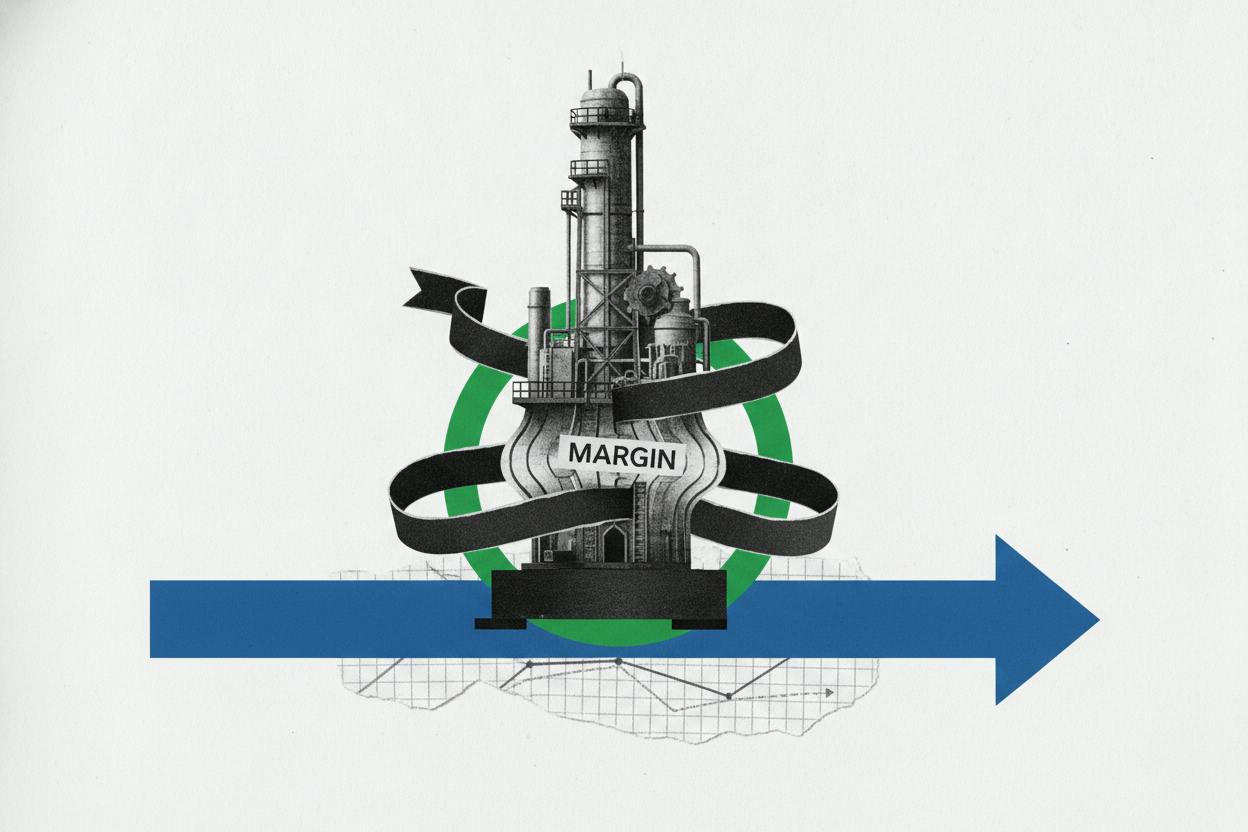
Refining margins are the difference between what an oil company pays for crude oil and what it earns from selling refined products like gasoline, diesel, and jet fuel. When those margins shrink, refiners make less money on every barrel they process. RBC said margins have weakened into October, squeezed by higher physical crude prices and rising freight costs. That pressure led the bank to cut its 2026 earnings-per-share forecast by 9.4% and its 2027 estimate by 1.8%, while leaving its 2028 view nearly unchanged.
This is not an isolated trend. Other energy companies have also felt the pinch from volatile refining economics. For example, Shell recently reported record refining margins in the third quarter, but that was before the latest cost pressures emerged. The refining business is cyclical, and margins can swing sharply from quarter to quarter based on global supply, demand, and logistics costs.
RBC's longer-term optimism
Despite the near-term headwinds, RBC argued that refining margins should remain “well above mid-cycle” over the longer term. Mid-cycle refers to the average level of margins across a full business cycle, and being above that suggests the industry is still enjoying better-than-normal profitability. That optimism is why the bank kept its price target unchanged and maintained its positive rating.
RBC also continues to expect Repsol to return cash to shareholders. The bank models a share buyback of just under 1 billion euros, a sign that it believes the company's cash generation will remain strong enough to support such payouts even with weaker refining profits. Buybacks reduce the number of shares in circulation, which can boost earnings per share and often supports the stock price.
Repsol is a diversified energy company, with operations spanning oil and gas exploration, refining, and renewable energy. That mix can help cushion the impact of weakness in any one segment, but refining is still a major profit driver. Investors often watch refining margins closely because they are a key indicator of near-term earnings power.
What it means for investors
For everyday investors, this note is a reminder that analyst forecasts are not set in stone. When a bank like RBC adjusts its numbers, it reflects changing expectations about the company's future earnings. The fact that RBC cut its profit forecasts but kept its price target suggests the bank sees the weakness as temporary and not enough to change its long-term view.
It's also worth noting that a price target is just one analyst's opinion, not a guarantee. Repsol's shares will move based on a wide range of factors, including oil prices, refining margins, and broader market sentiment. Investors should consider their own financial goals and risk tolerance before making any decisions.
The broader energy sector has been volatile recently, with natural gas prices slipping on mild weather forecasts and other commodity swings. That volatility can affect companies like Repsol, which are exposed to multiple energy markets.
Looking ahead
Investors will likely keep an eye on refining margins in the coming months, as well as Repsol's ability to maintain its shareholder returns. The company's next earnings report will provide more clarity on whether the margin weakness is a blip or a longer-lasting trend. RBC's decision to keep its buyback estimate intact suggests it expects cash flow to hold up, but that could change if margins deteriorate further.
For now, the message from RBC is clear: near-term headwinds, but long-term confidence. That is a common stance for analysts who believe a company's fundamentals remain solid despite short-term challenges. As always, it's important to do your own research and not rely solely on any single analyst's view.