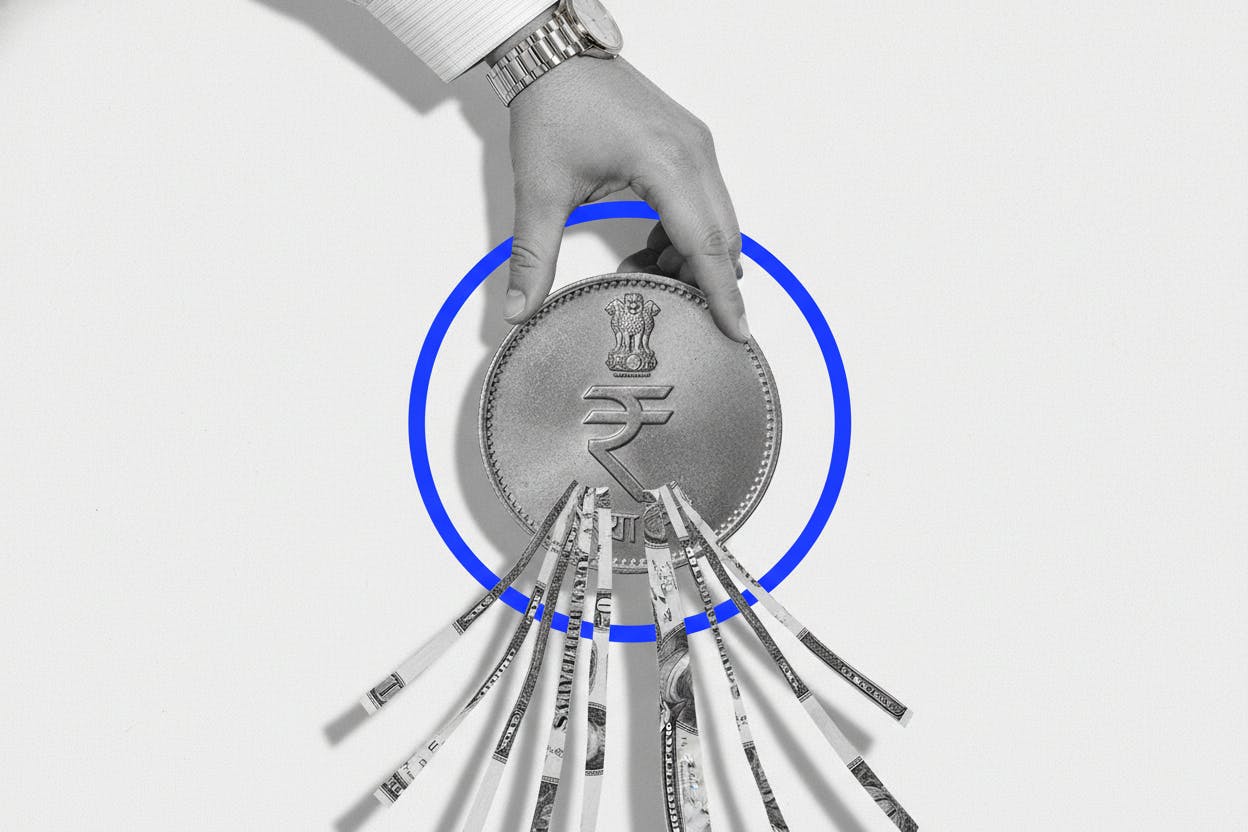
Traders say India's central bank has been a steady presence at the currency market's opening bell this week, repeatedly selling US dollars to keep the rupee from sliding. The intervention helped the currency stay rangebound even as Brent crude oil climbed above $96 a barrel—a level that typically pressures oil-importing nations like India.
Why the RBI is stepping in
The Reserve Bank of India (RBI) has a long history of managing the rupee's value, smoothing out sharp moves rather than targeting any specific level. By selling dollars early in the trading session, the central bank effectively absorbs excess demand for the US currency, which often spikes when global oil prices rise. Since India imports most of its crude oil, a weaker rupee makes those imports more expensive in local currency terms, feeding into domestic inflation.
This week's action comes against a backdrop of a broadly stronger US dollar and elevated energy prices. A stronger dollar typically puts pressure on emerging-market currencies, including the rupee. By intervening at the open, the RBI aims to prevent a sudden, disorderly depreciation that could spook foreign investors and disrupt trade flows.
The central bank's approach is not new. It has a sizable war chest of foreign exchange reserves—recently reported near record levels—that gives it ample firepower to defend the currency. In the past, the RBI has used similar tactics during periods of oil price spikes or global market turbulence.
What it means for the rupee and the economy
A stable rupee is more than just a number on a screen. For everyday Indians, it affects the price of imported goods, from electronics to edible oils. For businesses, it influences the cost of servicing foreign debt and the competitiveness of exports. A steady currency helps companies plan better, reducing uncertainty in their international transactions.
For foreign investors, a calm currency reduces the risk of losses from exchange-rate swings when they invest in Indian stocks or bonds. That stability can support portfolio inflows, which in turn help fund India's current account deficit.
However, the RBI's intervention is not without trade-offs. Selling dollars reduces the central bank's foreign exchange reserves, though India's reserves remain comfortable. It also injects rupees into the banking system, which could add to liquidity—something the RBI may need to manage to keep inflation in check.
Oil prices and the global backdrop
Brent crude above $96 a barrel is a key driver of the pressure on the rupee. Higher oil prices widen India's import bill and worsen its trade deficit. The situation is compounded by a firm US dollar, which makes dollar-denominated commodities more expensive for buyers using other currencies.
Globally, currency markets have been reacting to expectations about US interest rates. Recent signals from Federal Reserve officials suggest a higher bar for further rate hikes, which has at times weighed on the dollar. Yet the dollar remains strong relative to many peers, and any shift in Fed policy will continue to influence emerging-market currencies, including the rupee.
Investors are also watching US jobs data for clues about the Fed's next move. A strong jobs report could reinforce the case for higher-for-longer US rates, supporting the dollar and adding to pressure on currencies like the rupee. Conversely, weaker data could ease that pressure.
What investors should watch next
For those with exposure to Indian assets, the RBI's commitment to stability is generally reassuring. But the central bank cannot fully insulate the currency from global forces. If oil prices keep climbing or the dollar strengthens further, the RBI may need to intervene more aggressively, which could deplete reserves over time.
Investors should keep an eye on oil price movements, US economic data, and the RBI's own communications. Any signs that the central bank is becoming less willing or able to defend the rupee could trigger a sharper depreciation. Conversely, a cooling in oil prices or a softer dollar could reduce the need for intervention and support the rupee.
For now, the RBI's early-morning dollar sales are a reminder that central banks often act behind the scenes to keep markets orderly. For the average investor, the takeaway is simple: currency stability helps reduce uncertainty, but it is not guaranteed. Diversifying across currencies and asset classes remains a prudent strategy in a world where oil and the dollar can shift quickly.