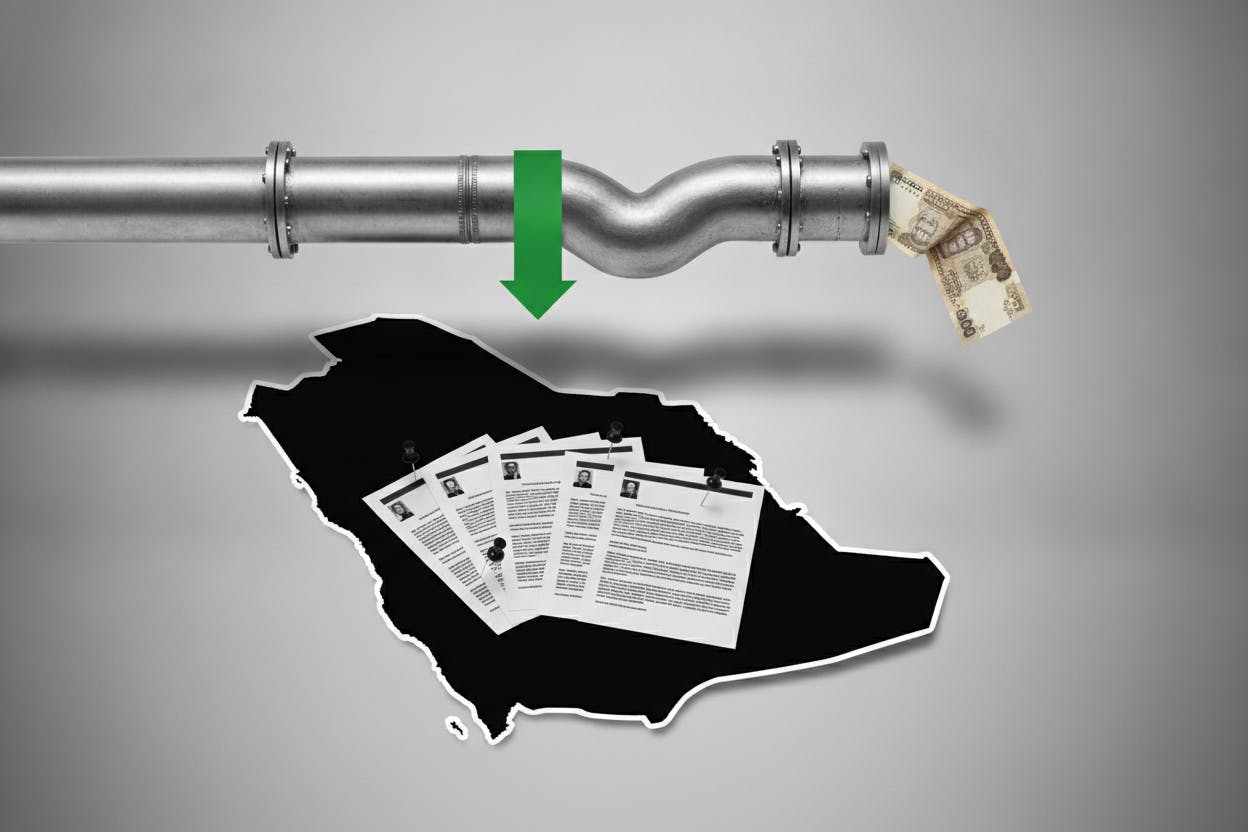
Saudi Arabia's labor market continued to tighten in the first quarter of 2026, with the unemployment rate dropping to 3.1% in the three months to March. The figure, down from previous levels, reflects the kingdom's ongoing efforts to boost job creation under its Vision 2030 economic transformation plan.
However, the positive jobs data was tempered by a pullback in foreign direct investment (FDI). Net FDI inflows fell to 23.1 billion riyals (approximately $6.2 billion) during the period, a decline from earlier quarters. The dip suggests that while domestic labor conditions are improving, international investors may be taking a more cautious stance toward the Saudi market.
What's Driving the Jobs Improvement?
The drop in unemployment is a key milestone for Saudi Arabia, which has long grappled with high joblessness among its young and growing population. The 3.1% rate is among the lowest in the region and reflects strong hiring in sectors such as construction, retail, and technology, all of which have been boosted by government spending on mega-projects like NEOM and the Red Sea tourism developments.
Consumer confidence remained above the 100 threshold during the quarter, indicating that households are optimistic about the economy and their own financial prospects. A reading above 100 typically signals that consumers are more positive than negative, which can support spending and economic growth.
For comparison, other economies have seen mixed labor market signals recently. For instance, Japan's jobless rate held steady at 2.5%, but cooling hiring signals have complicated the Bank of Japan's policy path. Meanwhile, Australia's jobless rate dipped to 4.4%, though hidden slack grew as hours worked fell.
Why FDI Is Cooling
Foreign direct investment is a critical component of Saudi Arabia's Vision 2030 strategy, which aims to diversify the economy away from oil and attract global capital. The decline in net FDI inflows to 23.1 billion riyals suggests that some international investors are holding back, possibly due to geopolitical uncertainties or concerns about the pace of reforms.
The kingdom has faced headwinds including regional tensions and volatility in global oil markets. Saudi stocks dipped recently after Iraq's potential exit from OPEC rattled oil market confidence, highlighting the sensitivity of investor sentiment to energy sector developments. Additionally, renewed US-Iran attacks have added to geopolitical risks that can deter foreign capital.
Despite these challenges, some Saudi financial institutions are pushing ahead with growth plans. Banque Saudi Fransi has set a target to double net income by 2030 through a fee-driven strategy, signaling confidence in the domestic market.
What It Means for Investors
For everyday investors, the mixed data paints a nuanced picture of the Saudi economy. On one hand, falling unemployment and strong consumer confidence are positive signs that the domestic economy is healthy and that local businesses are hiring. This can support corporate earnings and stock market performance, particularly for companies focused on the domestic market.
On the other hand, the FDI slowdown is a cautionary signal. It suggests that international investors are not yet fully convinced that the risk-reward balance in Saudi Arabia is favorable. This could weigh on sectors that rely on foreign capital, such as real estate development and infrastructure projects.
Investors should also consider the broader context. The Saudi government has been actively trying to attract FDI through regulatory reforms, including changes to foreign ownership rules and the introduction of new visa categories. However, these efforts take time to bear fruit, and the current dip may be a temporary pause rather than a long-term trend.
For those with exposure to Saudi stocks or funds, the key will be to watch for upcoming data on FDI flows and any policy announcements aimed at boosting foreign investment. The consumer confidence reading above 100 is a reassuring sign that the domestic economy remains resilient, but the FDI numbers will need to improve to sustain the momentum of Vision 2030.
In the meantime, the labor market data is a clear win for the Saudi government, which has made job creation a top priority. The 3.1% unemployment rate is a milestone that will be closely watched by policymakers and investors alike as they assess the kingdom's economic trajectory.