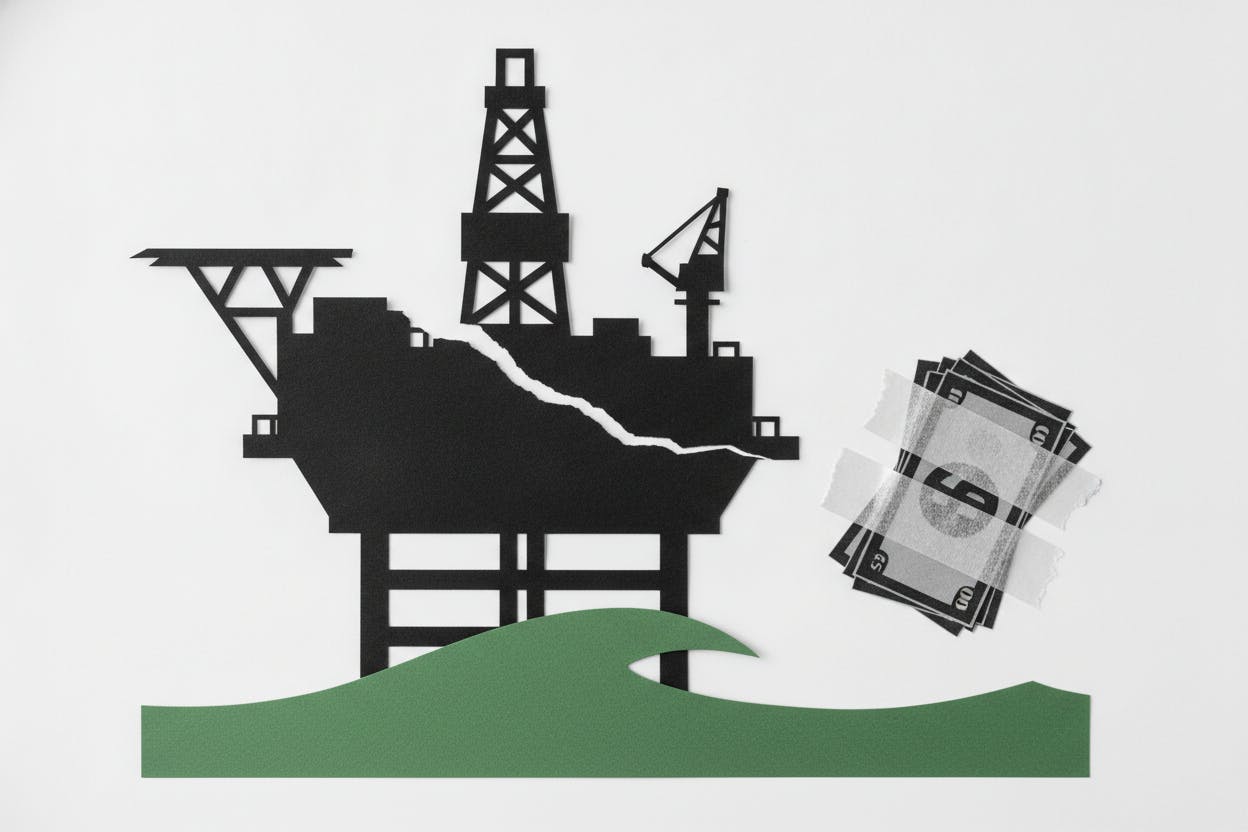
Shell, one of the world’s largest energy companies, has agreed to sell its interest in the Na Kika platform, nearby fields, and the Coulomb tieback in the Gulf of America for $1.7 billion. The buyers are subsidiaries of Talos Energy, a US oil producer, and Ridgewood Energy, a private energy investor. The sale is the latest sign that the supermajors are still reshaping their portfolios: trimming older, harder-to-run assets while keeping flexibility for newer projects and shareholder payouts.
The deal comes as UK markets open cautiously. FTSE 100 futures pointed 0.4% lower on Tuesday, even as oil prices firmed. Bank of England Governor Andrew Bailey signaled that policymakers are in no rush to react to higher energy prices, even if inflation returns to its 2% target later than he would like. That keeps the focus on company-specific moves like this sale, rather than immediate interest rate worries.
What Shell Is Selling and Why
The Na Kika platform is a deepwater production facility in the Gulf of America, a region that has been a core part of Shell’s upstream business for decades. Deepwater platforms like Na Kika can produce oil and gas steadily for years, but they also come with what the industry calls “lumpy” spending: periodic maintenance, major upgrades, and eventually decommissioning—the costly process of safely shutting down offshore infrastructure. By selling its stake now, Shell swaps those future obligations for cash in hand.
For Shell, this is a portfolio cleanup. The company has been under pressure from investors to improve its cash generation and reduce exposure to high-cost, mature assets. Offloading the Na Kika package reduces the amount of capital Shell needs to reinvest just to keep those barrels flowing. That can make the company’s free cash flow—the money left after operating and capital expenses—more predictable, especially when oil prices are volatile.
The sale also fits a broader trend among oil majors. In recent years, companies like BP, Chevron, and ExxonMobil have sold billions of dollars worth of aging fields to smaller operators. These buyers often have lower overheads and can squeeze more value out of mature assets, while the sellers use the proceeds to pay down debt, fund dividends, or invest in newer projects like renewables or low-carbon energy. Shell, for example, has been expanding its liquefied natural gas (LNG) business and building out its renewable power division.
What It Means for Investors
For everyday investors, the key takeaway is about cash flow stability. Shell’s dividend and share buyback program—both important for income-focused shareholders—depend on the company generating consistent free cash flow. Mature deepwater assets can be a drag on that because they require periodic large outlays. By selling them, Shell reduces the risk of those unpredictable costs hitting its cash flow.
“If Shell has fewer big, unpredictable bills tied to aging platforms, its free cash flow can look steadier through choppy oil prices,” the company noted in its announcement. That steadiness supports its ability to sustain dividends and buybacks, which are a big reason many investors hold energy stocks.
Because energy is a large part of the UK stock market—Shell alone makes up roughly 8% of the FTSE 100—a less capital-intensive Shell can also soften how tightly the index moves with daily crude price swings. When oil drops sharply, energy stocks often drag the whole market down. A Shell that is less exposed to high-cost production may be slightly less volatile, though it will still be sensitive to oil prices.
Investors should also watch what Shell does with the $1.7 billion. The company could use it to reduce debt, boost buybacks, or fund new investments. In recent quarters, Shell has prioritized shareholder returns, and this sale gives it more firepower to continue that trend.
Broader Market Context
The cautious UK open reflects a mix of factors. Oil prices firmed on Tuesday, partly due to geopolitical tensions and supply concerns, but that wasn’t enough to lift the broader market. The Bank of England’s Bailey said policymakers are not in a hurry to cut rates, even if inflation takes longer to fall. That keeps borrowing costs high, which can weigh on economic growth and corporate profits.
For energy investors, the Shell deal is a reminder that the sector is still undergoing structural change. While oil prices remain above pre-pandemic levels, the days of easy growth from deepwater fields are fading. Companies are increasingly focused on cash generation and returns, not just production growth. That shift could benefit shareholders in the long run, but it also means fewer big new projects and more sales like this one.
Other notable corporate moves this week include CMA CGM’s near $1.4 billion deal to buy FedEx’s logistics unit and South32’s $5.6 billion sale of its aluminum portfolio to Alcoa. Both show that companies across industries are rethinking their asset bases, much like Shell is doing in energy.
For now, Shell’s Gulf sale is a small but meaningful step. It doesn’t change the company’s direction overnight, but it does make its financial profile a bit cleaner. And in a market where every basis point of cash flow matters, that’s worth noting.