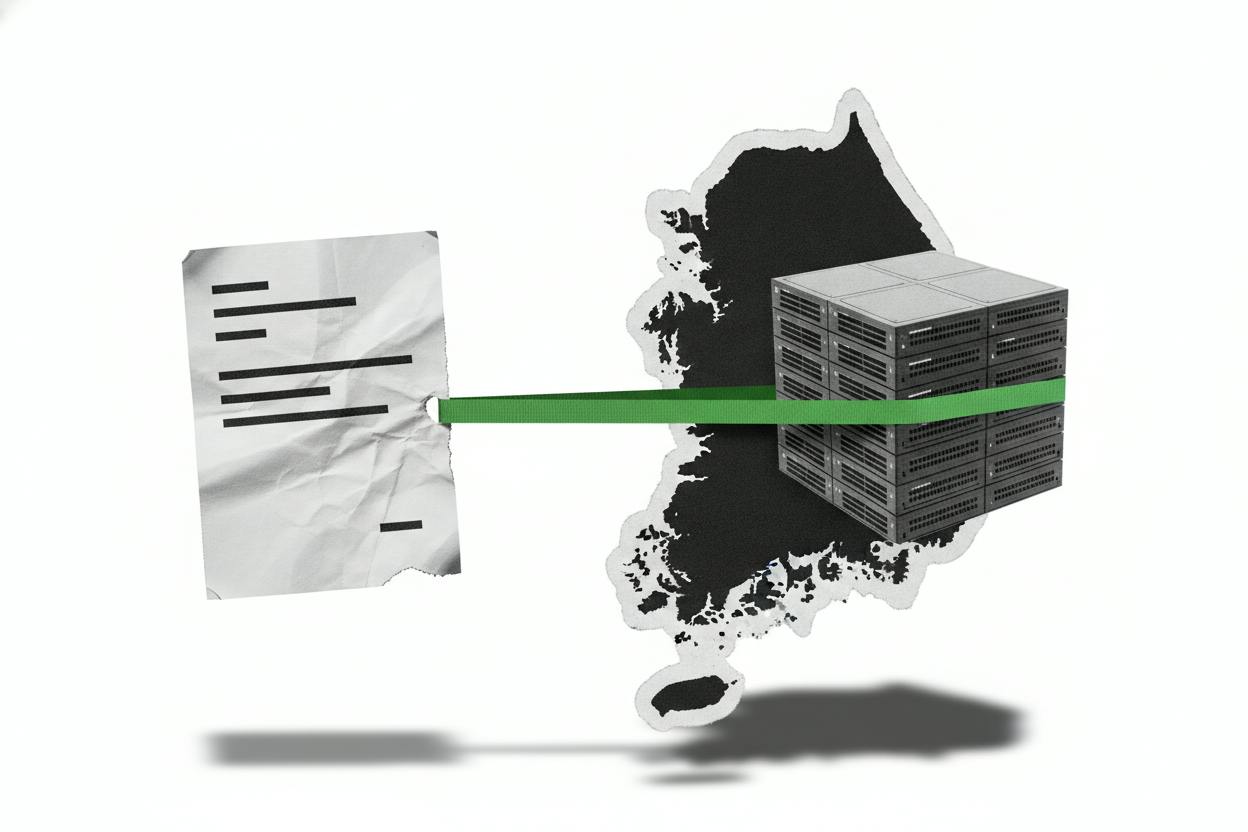
SK Telecom's artificial intelligence data center unit, SK Hyper, is in talks with big technology companies and financial investors to fund a massive expansion in South Korea, according to a Bloomberg News report. The first phase of the buildout could cost as much as $350 billion, with a goal of constructing 15 gigawatts of data center capacity by 2035.
The scale of the project underscores the enormous capital demands of the AI boom, as companies race to build the computing infrastructure needed to train and run large language models and other AI applications. Data centers are the physical backbone of AI, housing the servers and chips that process vast amounts of data.
What is SK Hyper?
SK Hyper is the AI data center arm of SK Telecom, South Korea's largest wireless carrier. The unit focuses on building and operating data centers tailored for AI workloads, which require far more power and cooling than traditional facilities. SK Telecom, part of the SK Group conglomerate, has been pivoting toward AI as a growth driver beyond its core telecom business.
The $350 billion figure for the first phase is staggering, even by the standards of the AI infrastructure boom. For context, that is more than the annual GDP of many countries. The plan to build 15 gigawatts of capacity by 2035 would make South Korea a major hub for AI computing, but it also raises questions about funding, power supply, and demand.
Why is this happening now?
The AI industry is in a capital-intensive phase, with companies like Microsoft, Amazon, and Google spending tens of billions of dollars annually on data centers. This has created a surge in demand for specialized facilities, but also a funding crunch. Many AI data center developers are turning to external investors, including private equity and sovereign wealth funds, to finance their buildouts.
SK Hyper's approach is similar: rather than relying solely on SK Telecom's balance sheet, it is seeking partners to share the financial burden. The talks with big tech companies and financial investors suggest that SK Hyper is looking for both strategic partners—who might become tenants or co-owners—and pure financial backers seeking returns from the AI infrastructure boom.
This trend is not unique to SK Hyper. Across the industry, AI demand is hitting a funding wall, as the cost of building data centers outpaces the cash flow of many companies. For instance, CoreWeave faces a $20 billion funding gap, highlighting the scale of capital needed. Similarly, short sellers have piled into AI data center stocks on debt fears, reflecting investor anxiety about the sustainability of these projects.
What does this mean for investors?
For everyday investors, the SK Hyper story is a reminder of the enormous scale of AI infrastructure spending and the risks involved. On one hand, the buildout could benefit companies that supply equipment, power, and construction services. On the other hand, the sheer size of the capital required raises concerns about overbuilding and debt.
Investors have already shown sensitivity to AI spending. When Meta warned about higher AI costs, tech investors were rattled and shares fell. Similarly, AI stock jitters have driven some investors into Treasuries, as they seek safer assets amid uncertainty.
The SK Hyper project, if it proceeds, could have ripple effects across the market. It would require massive amounts of electricity, potentially straining South Korea's power grid and driving up energy costs. It could also create opportunities for companies that build power infrastructure, such as Rexel, which has lifted its sales outlook on data center demand. And it could exacerbate the bottleneck in power cables that has already emerged.
Risks and challenges
Funding a $350 billion project is not guaranteed. SK Hyper will need to convince investors that the demand for AI computing will be strong enough to justify the massive upfront costs. There is also the risk of technological change: if AI computing becomes more efficient or if demand shifts, some of these data centers could become underutilized.
Moreover, the project's timeline—15 gigawatts by 2035—is ambitious. Building data centers at that scale requires not just capital but also permits, land, and power connections, which can take years to secure. Delays are common in large infrastructure projects.
For investors, the key takeaway is that AI infrastructure is a high-stakes bet. While it offers growth potential, it also carries significant financial and operational risks. As always, diversification and a long-term perspective are important when considering exposure to such trends.
SK Hyper's talks are still in early stages, and no deal has been announced. Investors will be watching to see whether the company can secure the funding it needs and how the project progresses. The outcome could signal the health of the broader AI infrastructure market.



