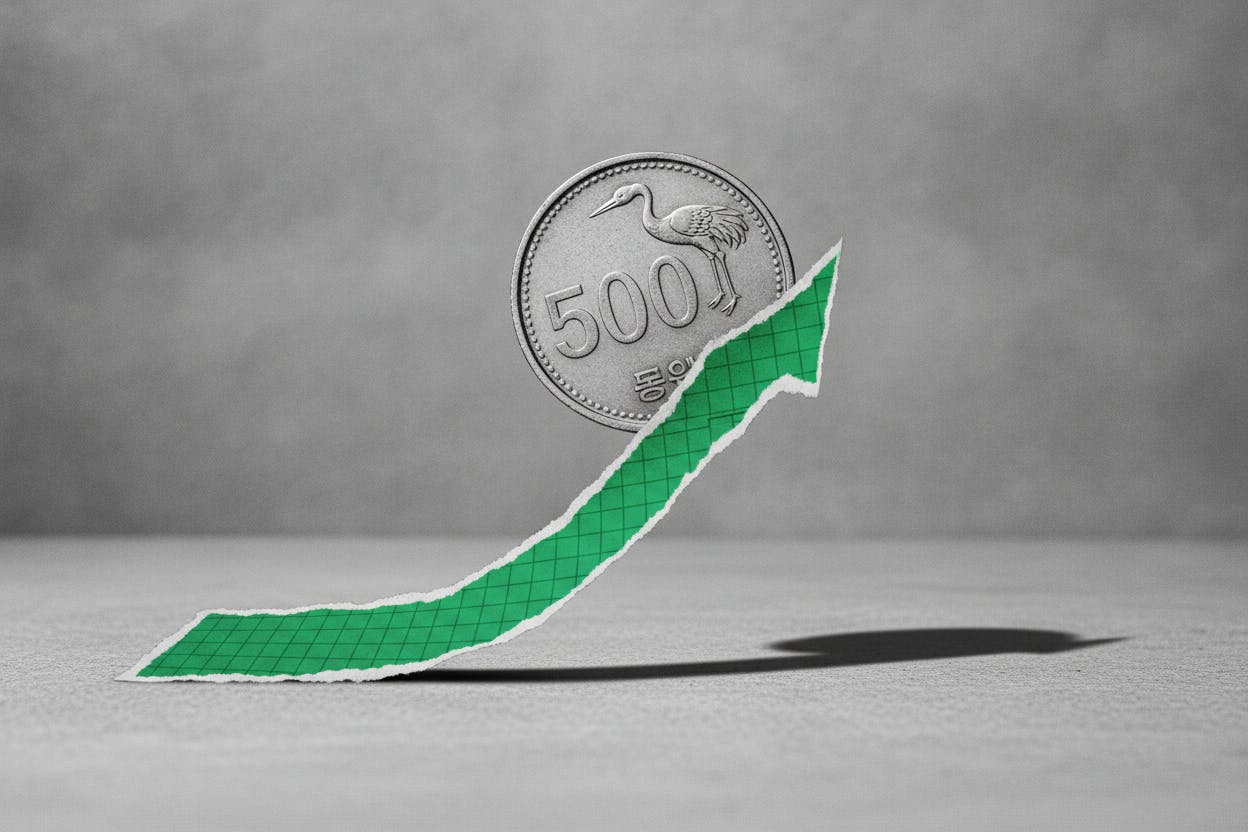
South Korea's inflation rate climbed to a two-and-a-half-year high in June, strengthening the case for the Bank of Korea (BoK) to raise interest rates as soon as its next policy meeting on July 16. The consumer price index (CPI) rose 3.2% from a year earlier, up from 3.1% in May, according to data from Statistics Korea. On a month-over-month basis, prices edged up 0.1%, matching the median estimates in Reuters polls.
What's Driving the Inflation Spike?
The latest reading marks the fastest annual pace since early 2022, when global inflation was surging after the pandemic. While the increase was not a surprise—economists had forecast exactly 3.2%—the direction is what worries policymakers. The drivers behind the rise appear persistent: higher global oil prices are pushing up energy costs, and a weaker South Korean won is making imported raw materials more expensive. That combination creates a tricky situation for the central bank, because supply-side inflation—driven by external factors rather than domestic demand—is harder to tame with interest rate hikes alone.
South Korea is not alone in facing this challenge. Central banks around the world, including the U.S. Federal Reserve, have been grappling with inflation that has proven stickier than expected. The Fed has maintained its 2% inflation target and signaled a cautious approach to rate cuts, as seen in recent commentary from Fed officials. In Europe, similar dynamics have led to renewed rate hike expectations, weighing on stock markets.
Bank of Korea's Dilemma
The BoK has kept its benchmark interest rate at 3.50% since January 2023, after a series of hikes that brought it from near zero. But with inflation now running well above its 2% target, pressure is building for another increase. The July 16 meeting is shaping up to be a pivotal moment. If the BoK raises rates, it would be the first hike in over a year, signaling that the fight against inflation is far from over.
Investors will be watching closely for any hints from BoK Governor Rhee Chang-yong and his colleagues. The central bank has previously emphasized that it needs to see a clear downward trend in inflation before easing policy. Instead, the trend is moving in the opposite direction.
What It Means for Investors
For everyday investors in South Korea and globally, a BoK rate hike would have several ripple effects. Higher interest rates typically boost the value of the local currency, which could help stabilize the won and reduce import costs over time. But they also raise borrowing costs for businesses and consumers, potentially slowing economic growth. That could weigh on South Korean stocks, particularly in rate-sensitive sectors like real estate and consumer discretionary.
Bond markets are already pricing in the possibility of a hike. Yields on South Korean government bonds have risen in recent weeks, reflecting expectations of tighter monetary policy. For investors holding bonds, higher rates mean lower prices, though they also offer higher yields for new purchases.
On a broader scale, South Korea's inflation story is part of a global pattern. Central banks from the U.S. to Europe to India are all navigating similar pressures, with inflation proving stubborn despite aggressive rate hikes. The Reserve Bank of India, for example, has signaled that its 4% inflation target may remain in place or even be lowered. This global backdrop means that investors should brace for a longer period of higher interest rates than many had hoped for at the start of the year.
Looking Ahead
The next key data point will be the BoK's decision on July 16. If it delivers a hike, it could set off a chain reaction in Asian markets, as other central banks in the region may feel compelled to follow suit. Conversely, if the BoK holds steady, it may signal that it believes the inflation spike is temporary and that the economy needs more support.
For now, the message from South Korea's inflation data is clear: the battle against rising prices is not yet won, and investors should expect more volatility ahead.