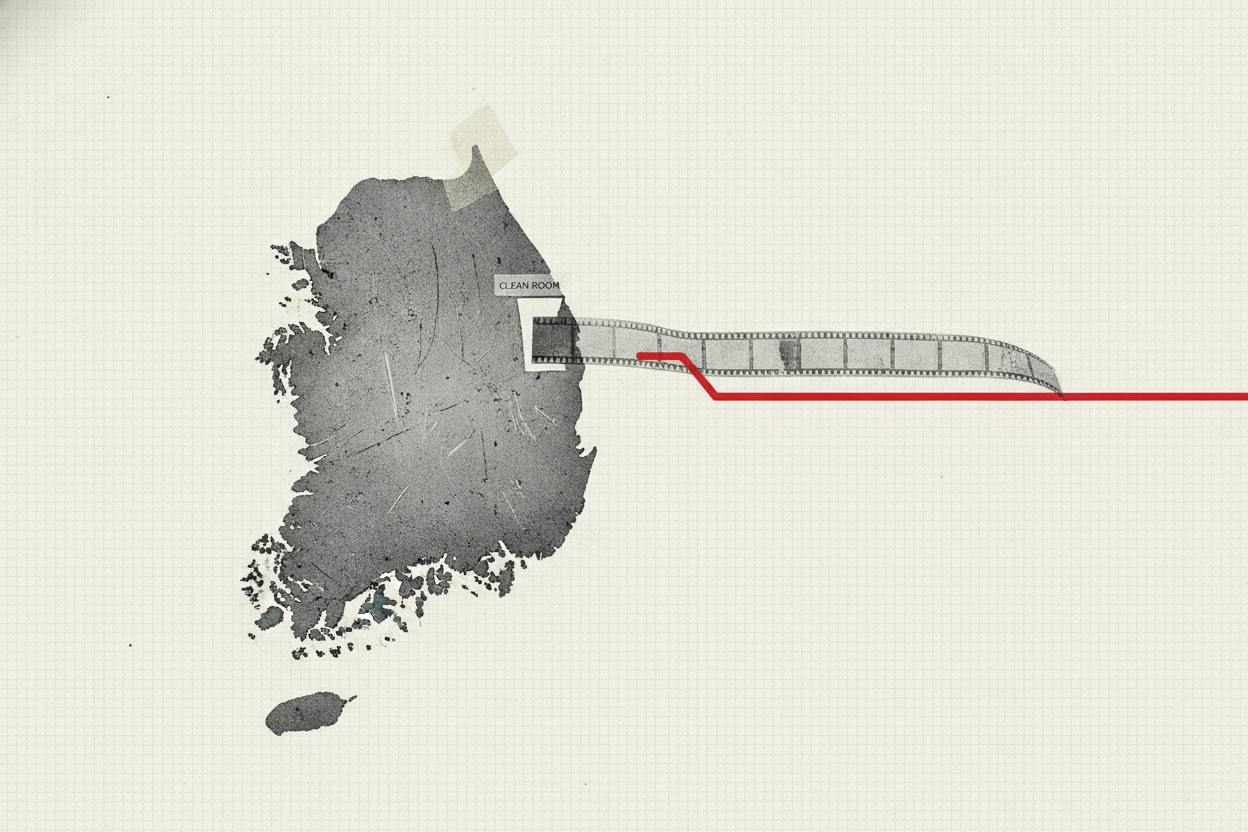
South Korean authorities have flagged a steady stream of industrial technology leaks over the past five years, with semiconductors accounting for the largest share of cases. According to data from the National Intelligence Service (NIS) cited by Yonhap, officials counted 107 cases in total, including 40 tied to semiconductors.
The tally, shared with lawmakers through the trade ministry, spans a range of high-value industries, from displays to autos and shipbuilding. But the most concerning category is the 31 cases involving what the government calls “core technologies” — know-how deemed vital to national security and economic competitiveness, and typically expensive and slow to rebuild.
What’s behind the numbers?
Semiconductors dominate the list, reflecting South Korea’s outsized role in the global chip supply chain. The country is home to Samsung Electronics and SK Hynix, two of the world’s largest memory chip makers, and its technology is considered a strategic asset.
One alleged case highlighted in the report involves the leak of Samsung’s 18-nanometer DRAM process to a China-based rival. DRAM, or dynamic random-access memory, is a type of memory chip used in computers, smartphones, and data centers. The 18-nanometer figure refers to the manufacturing process size — smaller numbers generally mean more advanced and efficient chips.
While the NIS did not name the rival company in the public summary, the case underscores the high stakes of protecting chip manufacturing know-how. Memory chips are a major export for South Korea, and any loss of proprietary technology could erode the competitive edge that supports the country’s economy and corporate profits.
Why this matters for investors
For everyday investors, the news is a reminder that technology companies face risks beyond just quarterly earnings or product demand. Intellectual property theft can undermine a firm’s long-term advantage, potentially leading to lower margins, increased competition, and higher spending on security and legal battles.
“When a company loses its core technology, it’s not just a legal issue — it’s a business issue,” said one industry analyst who tracks the chip sector. “The cost of rebuilding that know-how can be enormous, and the competitive window may close quickly.”
Investors holding shares in semiconductor companies, or in funds that track the tech sector, should watch how firms respond to such incidents. Companies that invest heavily in protecting their intellectual property — through security measures, employee training, and legal enforcement — may be better positioned to defend their market share.
At the same time, the broader geopolitical backdrop matters. South Korea’s chip industry is deeply intertwined with global supply chains, and tensions between the U.S. and China have already prompted governments to tighten export controls and technology transfer rules. Any escalation could affect not just South Korean firms but also the global tech supply chain.
What to watch next
Investors will likely pay attention to how South Korean authorities respond to these leaks. The government has been stepping up efforts to protect industrial secrets, including stricter penalties for those who leak technology and greater scrutiny of cross-border deals.
Also worth watching is whether the alleged Samsung leak leads to legal action or diplomatic friction. Cases involving China-based rivals can complicate trade relations, and any formal complaint could have ripple effects on how companies do business across borders.
For now, the numbers serve as a cautionary note. While the semiconductor industry remains a growth engine, its leaders must also manage the risk of losing what makes them successful. For investors, that means keeping an eye on how companies protect their most valuable assets — and how governments respond when those assets are compromised.
In the meantime, broader market movements, such as gold falling on rate hike signals, can also influence investor sentiment, but the tech sector’s long-term health depends on more than just interest rates. Protecting intellectual property is a fundamental part of that equation.