As SpaceX prepares to hold its third-quarter earnings webcast on Tuesday, investor questions have once again raised the prospect of a merger between SpaceX and Tesla. The recurring topic highlights the deep ties between the two companies, both led by Elon Musk, and the ongoing speculation about how their futures might be intertwined.
According to sources familiar with the matter, the pre-webcast Q&A session saw a split in investor priorities. Retail holders—everyday investors who own shares through funds or direct stakes—were largely focused on Starship, SpaceX's next-generation rocket system. In contrast, larger institutional investors pressed for more clarity on artificial intelligence revenue and contract details, areas that have become increasingly important to the company's growth story.
Why the merger question keeps coming up
The idea of combining SpaceX and Tesla is not new. Both companies operate in highly capital-intensive industries—space exploration and electric vehicles—and both are led by Musk, who serves as CEO of Tesla and founder of SpaceX. Over the years, Musk has floated the concept of merging the two, though he has also acknowledged the challenges of doing so, including regulatory hurdles and the distinct nature of their businesses.
Investors who push for a merger often argue that a combined entity could unlock synergies, such as shared engineering talent, manufacturing capabilities, and even the use of Tesla's battery technology in SpaceX's operations. Others see it as a way to give Tesla shareholders exposure to SpaceX's high-growth potential, which is currently only available through private markets or specialized funds.
However, the idea remains controversial. Some analysts point out that the two companies have very different risk profiles and capital needs. SpaceX is a private company with a valuation that has soared in recent years, while Tesla is a publicly traded automaker that has faced its own set of challenges, including supply chain issues and increased competition.
Retail focus on Starship
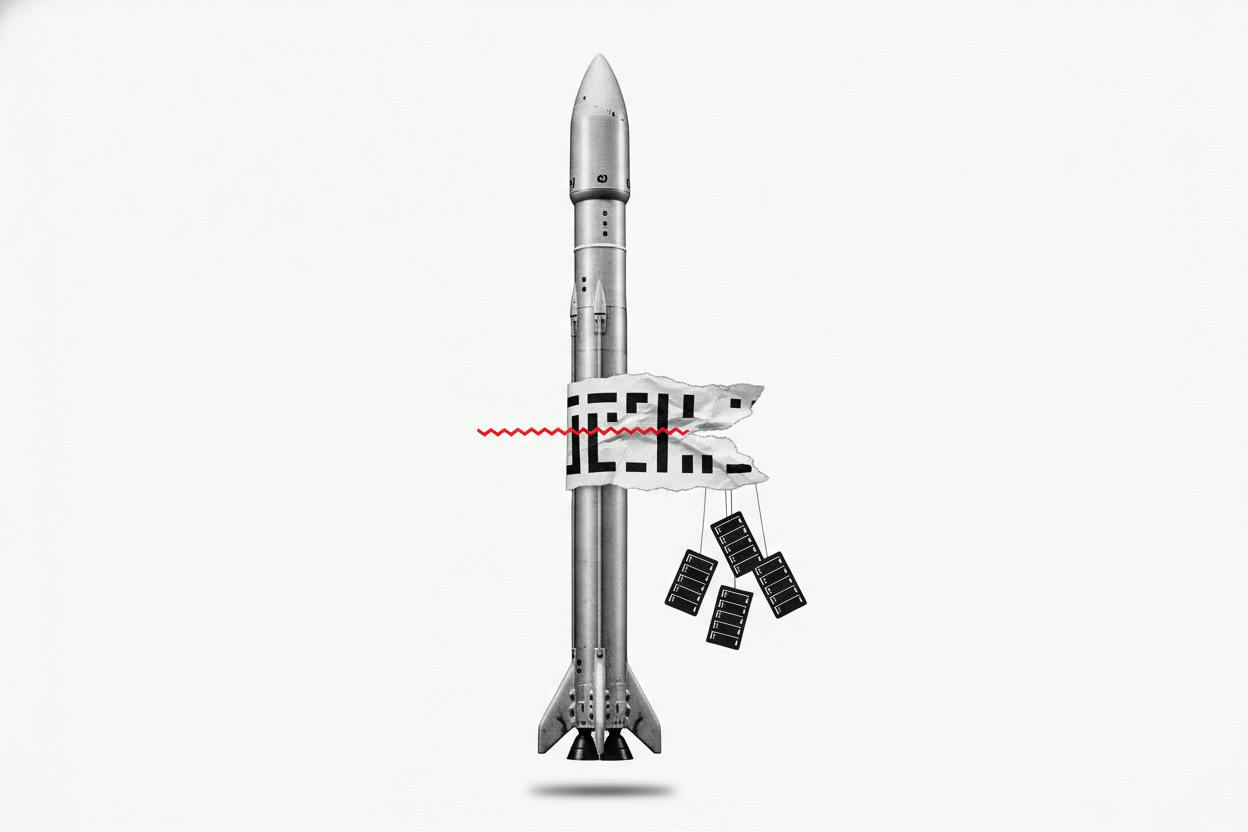
Retail investors, who often follow Musk's ventures closely, appear more interested in the technical milestones of Starship. The massive rocket, designed for missions to the Moon and Mars, has undergone several test flights, with mixed results. Each launch generates significant public attention and could be a key driver of SpaceX's future revenue, particularly through NASA contracts and potential commercial missions.
For these investors, the excitement around Starship may overshadow the more mundane financial details that institutional investors care about. But the split in focus underscores a broader trend: as SpaceX grows, its investor base is becoming more diverse, with different groups prioritizing different aspects of the business.
Institutional demand for AI clarity
On the institutional side, the push for clearer AI revenue and contract details reflects a wider market trend. Across the tech sector, investors are increasingly scrutinizing how companies are monetizing artificial intelligence. From AI-related stock moves to the recent IPO of AI firm Elice, the market is trying to separate hype from real, sustainable revenue.
SpaceX has been relatively quiet about its AI initiatives, but the company likely uses machine learning in various aspects of its operations, from rocket landing algorithms to satellite constellation management. Investors want to know how these efforts translate into contracts and revenue, especially as competitors like OpenAI's massive fundraising and other AI players capture headlines.
The demand for specifics is not unique to SpaceX. As tech earnings season approaches, investors are asking similar questions of major companies like Meta and Tesla. The pattern suggests a growing skepticism toward vague promises and a desire for concrete numbers.
What it means for investors
For everyday investors, the ongoing merger speculation is worth watching, but it should not drive immediate decisions. SpaceX remains a private company, and its shares are not easily accessible to retail investors. However, the outcome of any potential merger could have ripple effects on Tesla's stock, given Musk's central role in both companies.
If a merger were to occur, it would likely require approval from Tesla shareholders and regulatory bodies, a process that could take years. In the meantime, investors should focus on the fundamentals of each company. For Tesla, that means evaluating its vehicle sales, margins, and competitive position. For SpaceX, the key metrics are launch cadence, contract wins, and progress on Starship.
The broader takeaway is that the intersection of space, AI, and electric vehicles is becoming a defining theme of the modern economy. Companies that can successfully navigate these areas may offer significant growth opportunities, but they also come with high risk. As always, diversification and a long-term perspective are essential.
Tuesday's webcast will likely provide more color on both the Starship timeline and the AI-related revenue streams. Investors should listen for specific numbers and guidance, rather than relying on speculative merger talk. The reality is that any merger between SpaceX and Tesla remains hypothetical, and the immediate focus should be on the operational performance of each company.