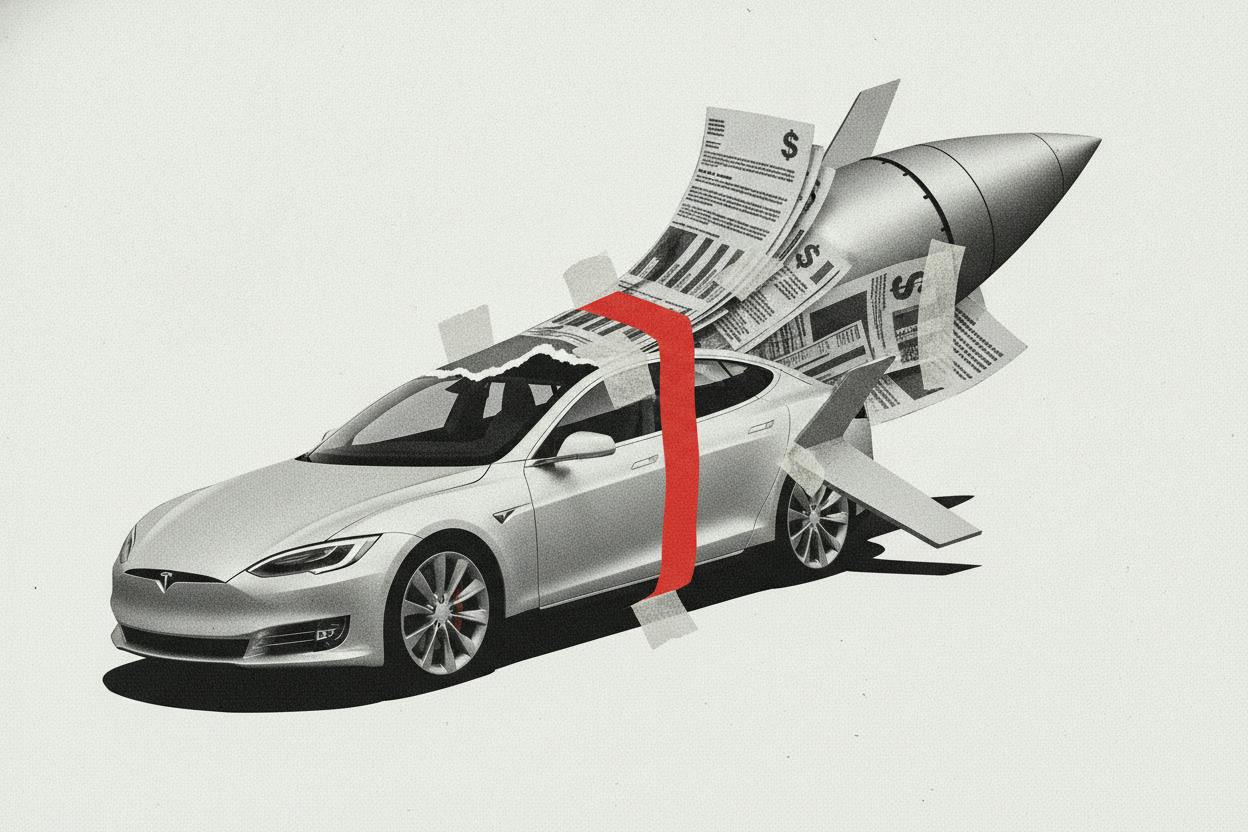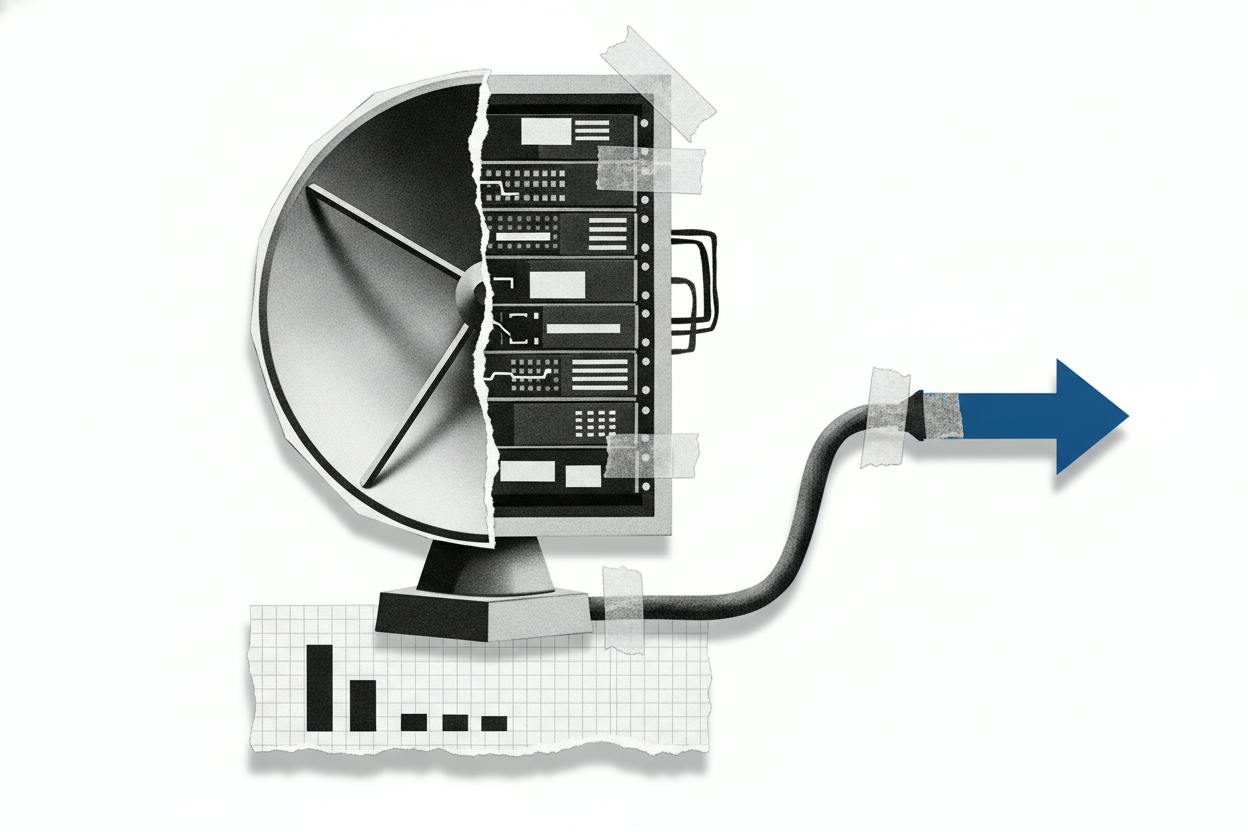
SpaceX told investors that its third-quarter revenue climbed 161% year over year to $14.6 billion, according to Reuters. The surge was powered by the continued expansion of Starlink, the company's satellite-internet service, and a newer business line: renting out data-center capacity for artificial intelligence workloads.
That AI "compute rental" operation is still in its early days, but it is already contributing to the top line. Reuters reported that SpaceX is monetizing AI less by selling its own models and more by acting like a cloud provider—leasing servers and computing power to developers including Anthropic, Google, and Reflection AI.
Starlink remains the reliable engine
For years, Starlink has been SpaceX's most dependable source of recurring revenue. The service sells subscription-like internet access to consumers, businesses, airlines, ships, and government agencies. That steady cash flow helps fund SpaceX's more speculative ventures, including its massive Starship rocket program and now its AI infrastructure push.
Starlink keeps adding customers across all those segments, the company said. But there are signs of potential pressure on revenue per user. Lower-priced plans and expansion into less-wealthy countries could weigh on average revenue per subscriber over time, even as the total customer base grows.
The AI business is a different kind of bet
What makes the AI compute rental business notable is how it works. Unlike a consumer app that lives or dies by popularity, an infrastructure-style business depends on utilization—how many hours expensive servers are actually booked. The more capacity is in use, the easier it is to cover fixed costs like electricity, depreciation (the accounting cost of equipment wearing out), and the ongoing expense of building new data centers.
Reuters reported that SpaceX's AI unit is currently posting large operating losses, and management warned that spending will stay high. That combination suggests capacity-building is running ahead of capacity-filling. In other words, SpaceX is spending heavily to build data-center infrastructure before it has signed enough customers to fully use it.
This is a common pattern for capital-intensive infrastructure businesses. Early losses can persist until signed demand ramps up enough to absorb fixed costs. Progress then shows up in "plumbing" metrics—how much capacity has been built versus how much is actually in use—rather than in headline revenue alone.
What it means for investors
For everyday investors, the key takeaway is that SpaceX's AI effort now operates on a cloud-style clock. The company's revenue growth is impressive, but the path to consistent profits depends on filling that expensive capacity. Until then, losses in the AI unit could continue even as overall revenue climbs.
Investors watching SpaceX—whether through private markets or future public offerings—will want to track a few things. First, how quickly the company signs new compute contracts and whether existing customers expand their usage. Second, whether Starlink's revenue per user holds up as it pushes into lower-cost markets. And third, how management balances AI spending against the cash generated by Starlink.
The broader context is that AI infrastructure is a hot area across the tech industry, with cloud providers and chipmakers investing billions in data centers. SpaceX is now competing for a slice of that demand, but it faces established players with deep pockets and years of experience. Its advantage may lie in vertical integration—combining satellite internet, launch capabilities, and now compute—but execution will be critical.
For now, the 161% revenue jump shows that SpaceX is more than a rocket company. It is becoming a diversified technology and infrastructure player. But as with any capital-intensive buildout, the real test is whether those investments eventually translate into sustainable profits. Investors should watch the utilization metrics as closely as the revenue line.