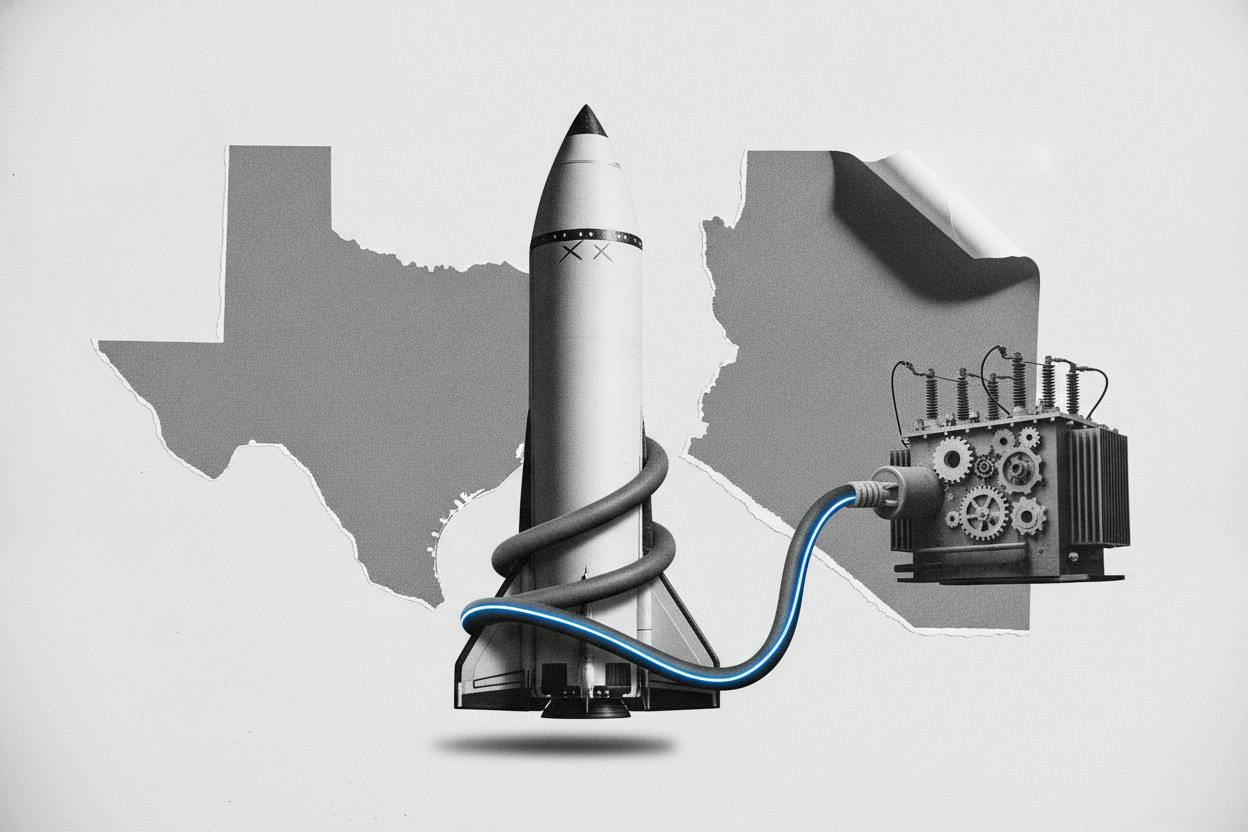
SpaceX, the rocket and satellite company founded by Elon Musk, says it plans to spend more than $74 billion to build two artificial intelligence supercomputing campuses — one at its Starbase facility in Texas and another in Cochise County, Arizona. The announcement signals a major push beyond its core space business, but the Arizona leg of the project still faces a critical county approval vote in December, and local opposition is growing.
What SpaceX is proposing
According to the company, it expects to invest more than $24 billion at Starbase in Texas and roughly $50 billion in Arizona. The projects would include supercomputing facilities and, in Texas, a gas-fired power plant on about 444 acres. SpaceX says the campuses represent the next leg of its growth, and it is promising jobs in both states.
The scale is enormous. For context, $74 billion is more than the annual GDP of many small countries, and it dwarfs the typical data-center investment. But the company is not just building server farms; it is building the entire energy and infrastructure backbone needed to run them.
In Texas, the Starbase City Commission is set to consider a property tax abatement on December 9. In Arizona, SpaceX says it is coordinating with local electric cooperatives and plans to use “dry cooling” technology to limit water use. The company argues the project could lower electricity bills for co-op members, but residents have raised concerns about noise, water, and the industrial scale of the development.
Why the Arizona vote matters
For AI data centers, the biggest bottleneck is rarely the computer chips themselves. It is the ability to secure dependable, affordable electricity — and the local permits needed to build the supporting infrastructure. Industry insiders call this “time-to-power”: how quickly a site can get enough electricity to turn racks of servers into usable computing capacity.
That makes the Cochise County hearing a $50 billion gate for SpaceX. If the county approves the project, the company can move forward with construction and begin the long process of bringing the campus online. If it is delayed or rejected, SpaceX would have to rethink its plans, potentially shifting the timeline for the entire $74 billion build-out.
The same logic applies to the tax abatement talks in Texas. Property tax incentives can shave millions off operating costs over the life of a project, and the terms of the deal will affect how quickly SpaceX can turn its AI ambitions into a profitable business.
What it means for investors
SpaceX is privately held, so most everyday investors cannot buy shares directly. But the company’s moves are still worth watching because they reflect broader trends in the AI and data-center boom.
Reuters reported that SpaceX’s AI segment generated more than half of the company’s third-quarter revenue. That is a striking figure for a company best known for rockets and Starlink satellite internet. It shows that AI is not just a side project; it is becoming a core revenue driver, and the company is willing to spend tens of billions to scale it up.
For investors in public markets, the ripple effects could be significant. Large-scale AI infrastructure projects tend to boost demand for everything from construction materials to power-generation equipment. They also put pressure on local electricity grids, which is why utilities and energy companies are often seen as indirect beneficiaries of the AI build-out.
But there are risks. The Arizona approval process is a reminder that even the biggest companies can face local pushback. Environmental concerns, water usage, and the visual impact of massive data centers have become flashpoints in many communities. If SpaceX cannot secure the permits it needs, the project could be delayed or scaled back, which would affect its revenue projections and the broader AI supply chain.
Investors should also keep an eye on the financing side. A $74 billion capital program is a huge undertaking, even for a company with SpaceX’s resources. The company may need to raise debt or equity, which could dilute existing shareholders or increase its debt load. In the past, other companies have funded similar mega-projects through bond sales, such as Alphabet's recent bond issuance.
The bottom line
SpaceX’s AI campus plans are a bold bet on the future of computing. The December votes in Texas and Arizona will be early tests of whether the company can turn its vision into reality. For investors, the outcome will signal how quickly the AI infrastructure boom can continue to expand — and whether local politics can slow down even the most ambitious tech projects.
As with any large infrastructure project, the key is execution. SpaceX has a track record of pushing through technical challenges, but local approvals are a different kind of hurdle. The next few weeks will show whether the company can clear them.



