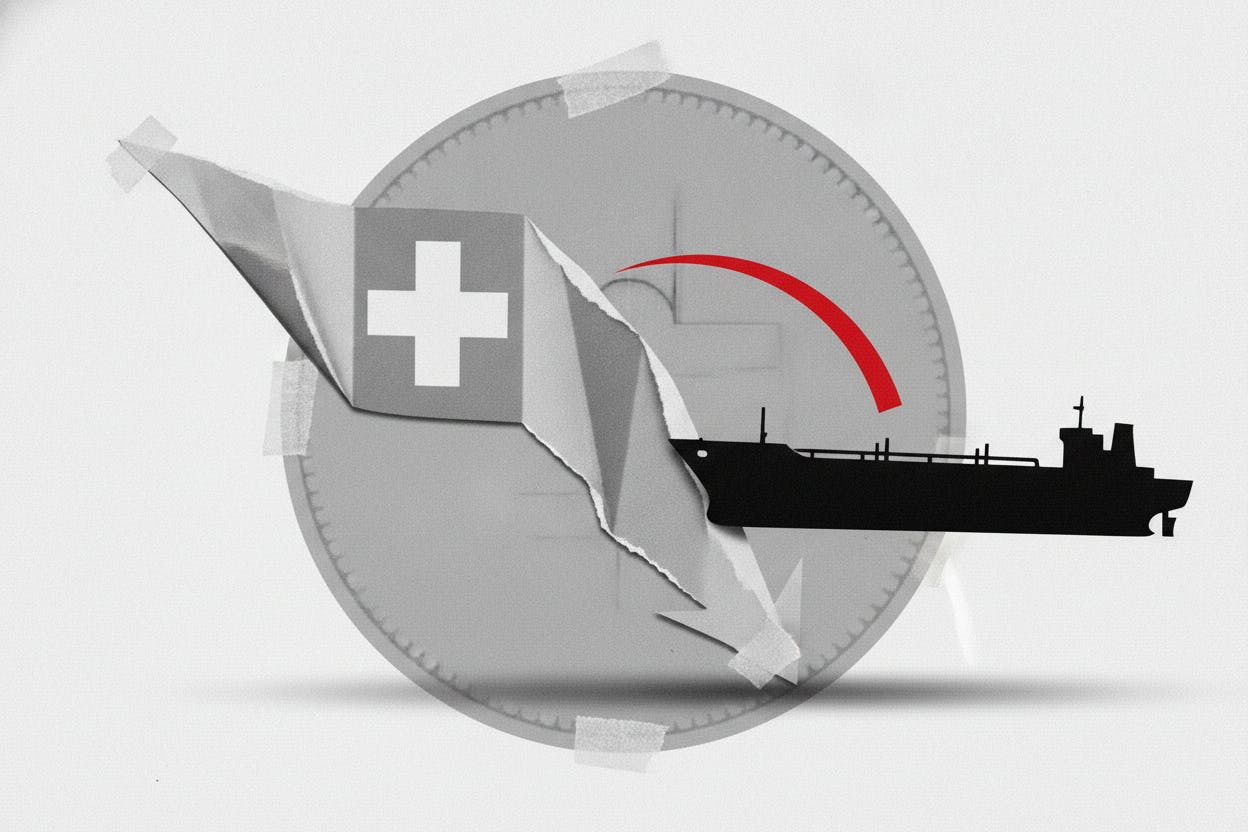
Swiss shares edged lower on Tuesday, with the Swiss Market Index closing down 0.56%, as fresh data pointed to a cooling manufacturing sector and geopolitical tensions in the Middle East weighed on sentiment.
The decline came after the country's purchasing managers' index (PMI) for June dropped to 54.3 from 57.3 in May. While any reading above 50 signals expansion, the sharp fall suggests factory activity is losing steam. The PMI is a closely watched survey of purchasing managers that provides an early read on industrial health.
What's behind the data
Switzerland's manufacturing sector had been riding a wave of post-pandemic demand, but the latest figures hint at a slowdown. The drop in the PMI aligns with broader trends across Europe, where euro-area inflation eased to 2.8% in June, and core inflation—which strips out volatile food and energy prices—slipped to 2.4%. That matters for Swiss exporters, who rely heavily on demand from the euro zone.
On the consumer side, there was a brighter note: real retail sales rose 0.5% month-on-month in May, following a revised 0.2% increase in April. That suggests household spending is holding up, even as the broader economy shows signs of deceleration.
Geopolitical overhang
Investors also had one eye on the Strait of Hormuz, where the US and Iran are reportedly in talks over shipping security. The strait is a critical chokepoint for global oil shipments, and any disruption there could send energy prices higher. While no concrete developments emerged from the talks, the mere possibility of tensions escalating is enough to keep markets on edge.
This geopolitical risk adds another layer of uncertainty for Swiss investors, particularly those with exposure to energy-sensitive sectors or international trade. The Swiss franc, often seen as a safe haven, may attract inflows if the situation deteriorates, but that would also pressure Swiss exporters by making their goods more expensive abroad.
What it means for investors
For everyday investors, the takeaway is twofold. First, the cooling PMI suggests that the Swiss economic recovery may be losing momentum, which could weigh on corporate earnings in the months ahead. Companies in cyclical sectors like industrials and materials are particularly sensitive to these shifts.
Second, the geopolitical backdrop remains a wild card. While the US-Iran talks are a positive sign of diplomatic engagement, the outcome is far from certain. Investors should be prepared for potential volatility in energy prices and currency markets.
Globally, similar trends are playing out. In the US, factory growth also slowed in June, with the ISM manufacturing index dipping to 53.3, though employment held steady. That suggests the slowdown is not unique to Switzerland but part of a broader pattern as central banks continue to tighten monetary policy.
For Swiss investors, the key will be watching how the European Central Bank and the Swiss National Bank respond to easing inflation. Lower inflation could reduce pressure for further rate hikes, which would be a positive for stocks. But if geopolitical risks flare up, safe-haven flows could strengthen the franc, creating headwinds for exporters.
In the near term, the market is likely to remain cautious, with investors parsing data for clues on the economic trajectory and monitoring developments in the Middle East. The Swiss Market Index's modest decline reflects that uncertainty, but it's not a panic signal—just a reminder that the path ahead is far from smooth.