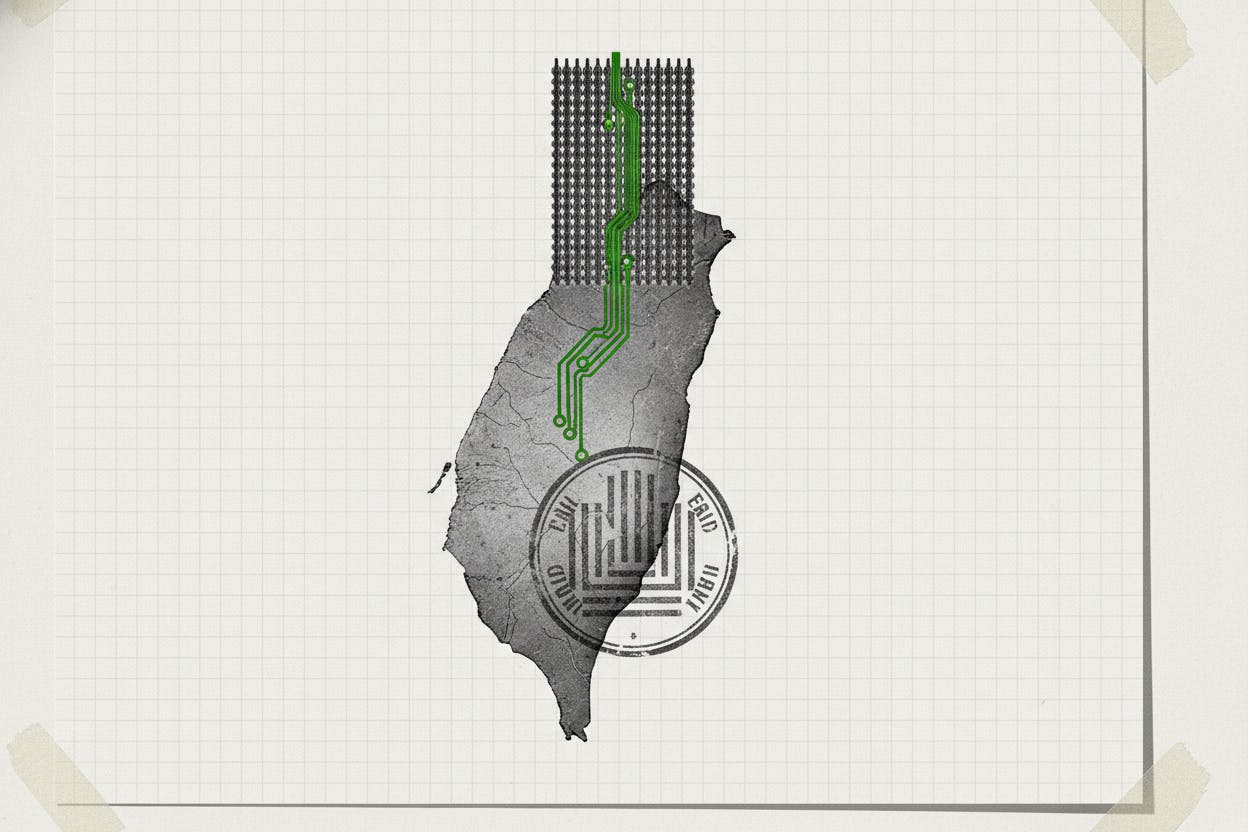
Taiwan's economy grew much faster than expected in the second quarter, powered by a surge in demand for artificial intelligence chips. The island's statistics agency reported that gross domestic product expanded 12.92% year-on-year in April–June, beating market forecasts. While that pace was cooler than the previous quarter's blistering rate, it still underscores how central Taiwan is to the global AI boom.
The engine behind the growth is overseas demand for semiconductors. Taiwan is home to Taiwan Semiconductor Manufacturing Co. (TSMC), the world's largest contract chipmaker, which supplies chips to tech giants like Nvidia and Apple. As AI applications spread across industries, demand for these advanced chips has soared, lifting Taiwan's export orders and factory output.
Why Taiwan's growth matters
Taiwan's economy is a bellwether for global tech demand. Because it sits at the heart of the semiconductor supply chain, its trade data and GDP figures offer a real-time read on how much companies are spending on AI infrastructure. When Taiwan's exports are strong, it often signals that tech companies worldwide are investing heavily in data centers, cloud computing, and AI models.
The 12.92% growth rate is particularly notable because it comes even as other major economies are slowing. For instance, China's factory and services activity shrank again in July, highlighting weak demand in the world's second-largest economy. Taiwan's resilience shows that AI spending is providing a powerful counterweight to broader economic softness.
Investors have taken notice. Strong growth in Taiwan often boosts sentiment for tech stocks globally, as it suggests that the AI trade is not just hype but is translating into real revenue for chipmakers and their suppliers.
Central bank in the spotlight
With growth running hot, attention now turns to Taiwan's central bank. The bank has been cautious about raising interest rates, but the strong economic data could give it room to tighten policy if inflation pressures build. Markets are watching closely to see whether the bank stays on hold at its next meeting in September.
A rate hold would signal that policymakers are comfortable with the current pace of growth and inflation. On the other hand, a hike could be seen as a response to overheating risks. For investors, the central bank's decision matters because it affects the value of the Taiwanese dollar, the cost of borrowing, and the attractiveness of Taiwanese assets.
Taiwan's situation is not unique. Other economies are also grappling with how to respond to AI-driven growth. For example, Murata raised its full-year outlook on data center demand, and Alliant Energy beat profit estimates partly thanks to data center demand. These stories all point to the same theme: AI is reshaping economic growth, and central banks must decide how to respond.
What it means for investors
For everyday investors, Taiwan's strong GDP report is a reminder of how intertwined tech spending is with global economic health. When AI demand is strong, it can lift not just chipmakers but also the broader supply chain—from equipment makers to materials suppliers. Companies like Umicore and Holcim have also benefited from related demand, though their stories are more about recycling and construction materials.
However, investors should be cautious about extrapolating one quarter's growth into the future. AI demand is strong now, but it can be cyclical. If companies overbuild data centers or if AI adoption slows, the chip industry could face a downturn. Taiwan's economy, being so concentrated in semiconductors, is particularly sensitive to these swings.
The central bank's decision in September will be a key signal. If it raises rates, it could cool some of the froth in tech stocks. If it holds, it may be seen as endorsing the current growth trajectory. Either way, investors should keep an eye on Taiwan's export data and central bank communications for clues about the sustainability of the AI boom.
In the meantime, the strong GDP number is a positive sign for the global tech sector. It suggests that the AI revolution is still in its early stages, with plenty of room for growth. But as always, it's wise to diversify and not put all your eggs in one basket—even if that basket is filled with cutting-edge chips.