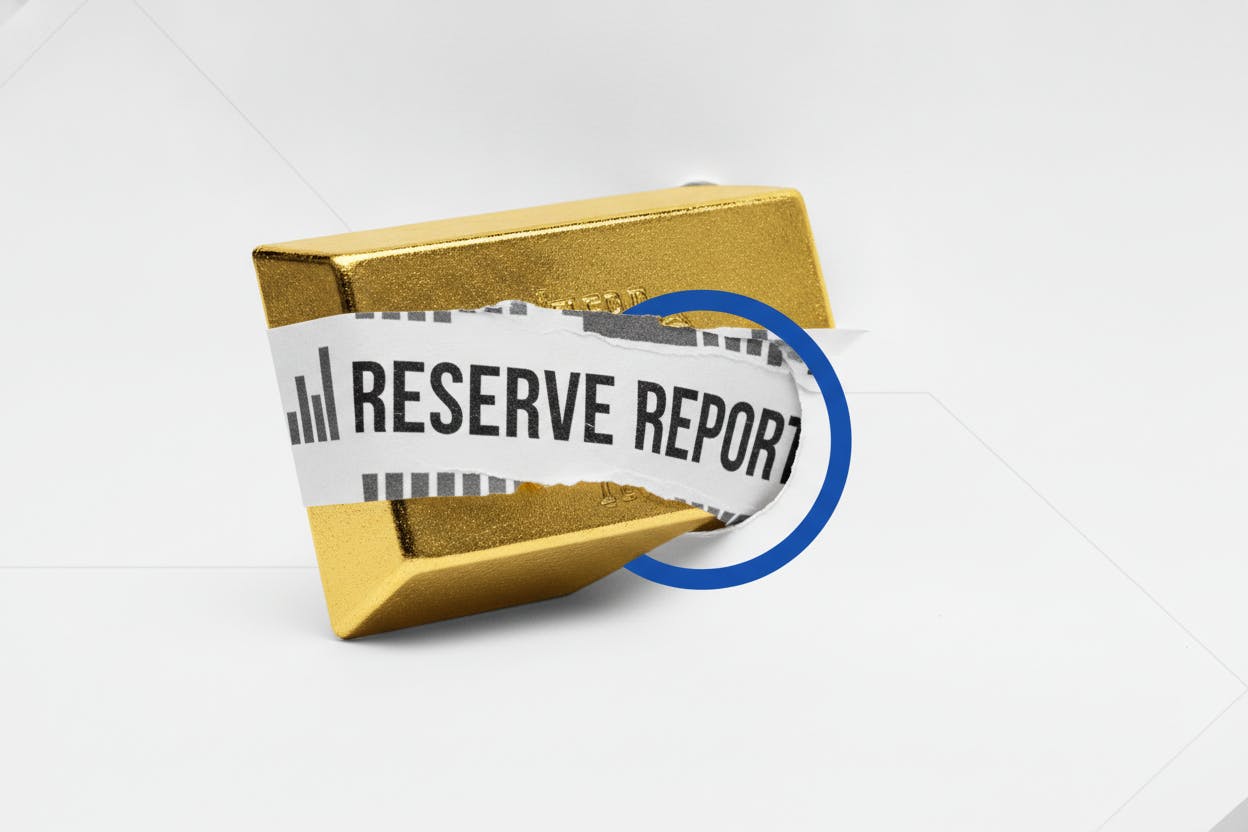
Tether, the company behind the world's largest stablecoin, USDT, said it added 14 metric tons of gold during the April–June period, bringing its total bullion holdings for USDT reserves to more than 146 metric tons. The disclosure, made in a quarterly attestation, highlights the firm's continued reliance on gold as a key component of its reserve portfolio.
What is Tether and why does it hold gold?
Tether issues USDT, a stablecoin designed to maintain a value of $1 per token. Unlike cryptocurrencies such as Bitcoin, whose prices swing wildly, stablecoins aim to offer price stability, making them a popular bridge for traders and a store of value in volatile markets. To back each USDT in circulation, Tether holds a reserve of assets—traditionally cash and short-term government bonds, but increasingly gold.
Gold is a tangible asset that has historically held its value over time, especially during periods of inflation or economic uncertainty. By holding gold, Tether adds a layer of diversification to its reserves, which also include U.S. Treasuries, money market funds, and other investments. The company has said that its reserves are "fully backed," meaning the value of the assets it holds is at least equal to the number of USDT tokens in circulation.
The latest addition brings Tether's gold holdings to more than 146 metric tons. For context, that is roughly the weight of 146 small cars. At current market prices, 146 metric tons of gold would be worth several billion dollars, though Tether does not disclose the exact dollar value of its gold holdings.
Why is Tether stacking gold?
Tether's gold purchases are part of a broader trend among institutional investors and central banks to increase their gold reserves. China's gold imports via Hong Kong have surged as the People's Bank of China boosts its reserves, and other central banks have been buying gold at a record pace. Gold is often seen as a safe haven in times of geopolitical tension and economic instability.
For Tether, gold also serves as a hedge against potential volatility in the traditional financial system. If the U.S. dollar weakens or inflation erodes the value of cash holdings, gold can help preserve the purchasing power of the reserves. This is particularly important for a stablecoin issuer, as any shortfall in reserves could undermine confidence in USDT's $1 peg.
The move also comes as stablecoins face increasing regulatory scrutiny. In the U.S., lawmakers have been debating rules for stablecoin issuers, and some have proposed requiring them to hold reserves in cash or short-term Treasuries. Tether's gold holdings may be seen as a way to diversify beyond these requirements, though it remains to be seen how regulators will treat gold-backed stablecoins.
What does this mean for investors?
For everyday investors, Tether's gold purchases are a signal that the company is taking steps to strengthen its reserve backing. This could be reassuring for those who use USDT for trading or as a store of value, as it suggests Tether is committed to maintaining the stability of its token.
However, it's important to note that Tether's reserves are not the same as a bank deposit. Unlike a bank, Tether is not insured by the FDIC, and there is no guarantee that USDT can always be redeemed for $1. The company has faced criticism in the past over the transparency of its reserves, though it has since published quarterly attestations from an accounting firm.
Gold's role in Tether's reserves also ties the stablecoin's stability to the price of gold. If gold prices fall sharply, the value of Tether's reserves could decline, potentially putting pressure on the $1 peg. That said, gold has generally been a stable store of value over the long term, and Tether's gold holdings are just one part of its overall reserve portfolio.
For investors who hold USDT, the key takeaway is that Tether is continuing to build a diversified reserve base. Visa's recent launch of a stablecoin platform shows that stablecoins are becoming more mainstream, and Tether's gold purchases may be an attempt to stay ahead of the curve.
What to watch next
Investors will be watching Tether's next quarterly attestation to see if it continues to add gold to its reserves. They will also be monitoring regulatory developments, as new rules could force Tether to change its reserve composition. In the meantime, the company's gold purchases are a notable sign that it is looking beyond traditional cash and bonds to back its stablecoin.
Gold's appeal as a safe haven has been reinforced by countries like Bolivia seeking IMF deals to rebuild foreign reserves and India's central bank boosting its own reserves. For Tether, gold is not just a hedge—it's a statement of stability in a volatile market.