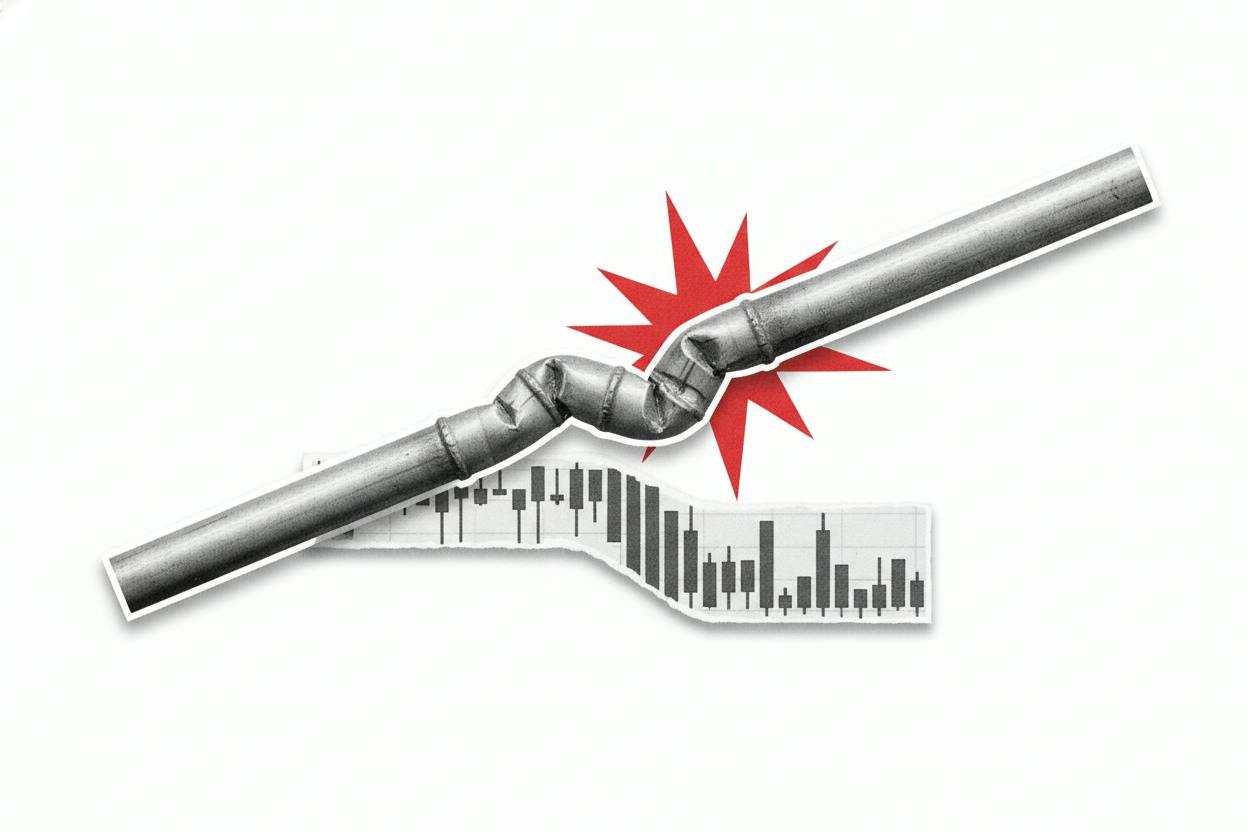
Japanese rubber futures rose on Tuesday as traders priced in the risk of supply disruptions from heavy rain and flash floods in Thailand, the world's top producer of natural rubber. The January contract on the Osaka Exchange gained 1.48% to settle at 417.9 yen per kilogram, while Singapore's SICOM October contract edged up to 210.6 US cents.
Why rubber prices are rising
Thailand's meteorological agency has warned of severe rains and flash floods from July 31st to August 4th, which could pause the 'tapping' process — the collection of latex from rubber trees — and slow shipments from plantations. Since Thailand accounts for roughly a third of global natural rubber output, any disruption to its harvest can quickly tighten supply and push prices higher.
Adding to the bullish mood, crude oil surged about 7% the prior day. That matters because synthetic rubber, a close substitute for natural rubber, is made from petroleum-based feedstocks. When oil prices jump, synthetic rubber becomes more expensive, making natural rubber relatively more attractive and supporting its price. For more on how oil price moves ripple through commodity markets, see our coverage of Australia's import costs surge 5.7% as oil and fertilizer prices spike.
What this means for investors
For everyday investors, the move in rubber futures is a reminder that commodity prices can be highly sensitive to weather events in key producing regions. Rubber is used in everything from tires and conveyor belts to medical gloves and automotive parts. A sustained rise in rubber costs could eventually feed into higher prices for these products, though the pass-through is rarely immediate.
Investors with exposure to tire makers or auto parts suppliers may want to keep an eye on rubber prices. Companies that rely heavily on natural rubber as an input could see their margins squeezed if the rally persists. Conversely, producers of natural rubber — mostly in Southeast Asia — stand to benefit from higher prices.
The broader context is that commodity markets have been volatile this year, with supply shocks from weather, geopolitics, and shifting demand. The recent oil price jump, for instance, was partly driven by concerns over shipping routes in the Middle East, as we noted in Oil prices slip as tankers bypass Strait of Hormuz via Red Sea. Meanwhile, other commodities like copper slips as Fed rate bets and AI demand doubts weigh on prices, showing how diverse factors are moving markets.
What to watch next
Traders will be watching weather updates from Thailand closely over the next few days. If the floods are less severe than feared, rubber prices could give back some of their gains. But if the rains cause lasting damage to plantations or disrupt logistics for an extended period, the rally could have further to run.
Also on the radar: the path of oil prices. If crude continues to climb, it will provide a tailwind for natural rubber. Conversely, a pullback in oil could remove that support. For a related example of how supply chain disruptions affect commodity markets, see Rhine river drought threatens Europe's supply chains as water levels drop.
For now, the rubber market is pricing in a short-term risk premium. Investors should remember that commodity futures are volatile and can reverse quickly as new information comes in. The key takeaway is that weather in a single country can have outsized effects on global prices, and those effects can ripple through to companies and consumers far beyond the plantation.