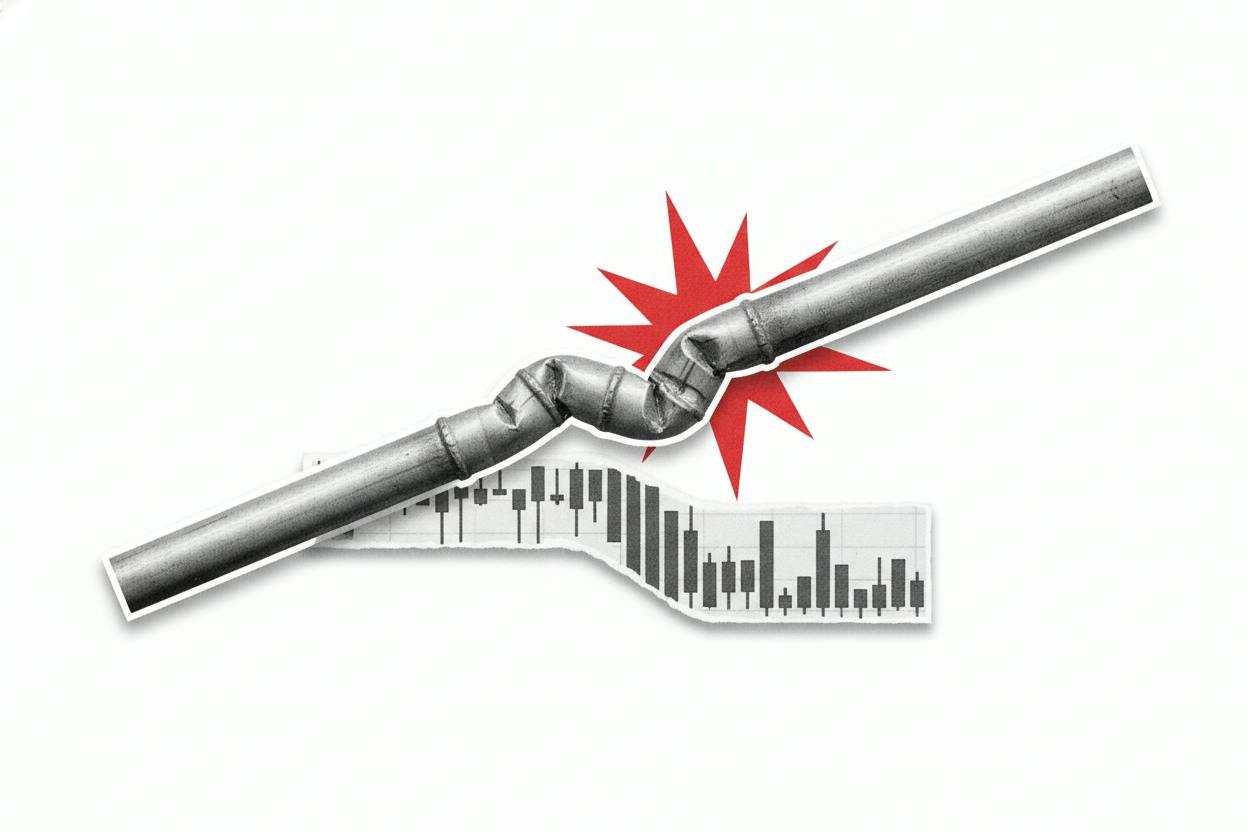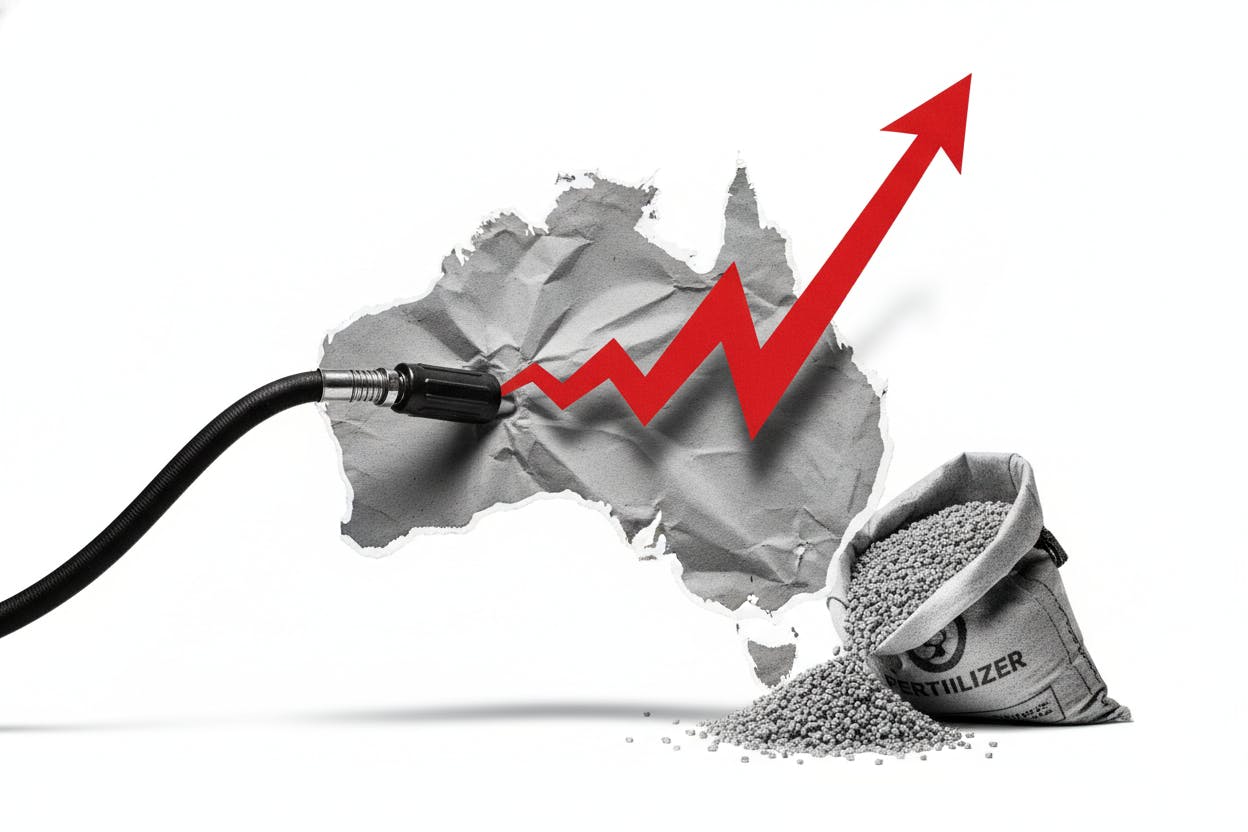
Australia's import bill took a sharp turn higher in the June quarter, with official data showing a 5.7% jump in import prices. The increase, reported by the Australian Bureau of Statistics (ABS), was driven by a surge in petroleum and fertilizer costs after the Strait of Hormuz closure tightened global oil supply.
The rise marks a dramatic acceleration from the March quarter, when import prices rose just 0.1%. Petroleum and related products led the charge, soaring more than 47%, while fertilizer prices — excluding crude — climbed over 25% on higher urea costs.
Why import costs matter for Australia
Australia is a net importer of refined fuels and many agricultural inputs, so global supply shocks quickly feed through to domestic prices. The country relies heavily on imported crude oil and petroleum products to power its transport and industrial sectors, and fertilizers are essential for its large agricultural export industry.
The Strait of Hormuz, a narrow waterway between the Persian Gulf and the Gulf of Oman, is a critical chokepoint for global oil shipments. When tensions or disruptions close or restrict passage through the strait, oil prices typically spike as supply tightens. That effect ripples through to import costs for countries like Australia that depend on foreign oil.
The ABS data also showed that fertilizer prices rose sharply, driven by higher urea costs. Urea is a key nitrogen-based fertilizer used extensively in Australian farming, particularly for wheat and other grain crops. Higher fertilizer costs can squeeze farm margins and eventually feed into food prices.
What it means for investors
For everyday investors, the jump in import prices is a reminder that global supply chains and geopolitical events can directly affect the Australian economy. Higher import costs tend to push up inflation, as businesses pass on increased expenses to consumers. This can influence the Reserve Bank of Australia's interest rate decisions, which in turn affect everything from mortgage rates to stock market valuations.
Investors should watch for signs that the spike in import prices is feeding through to broader inflation. The ABS recently reported that Australia's inflation eased to 3.8% but electricity bills jumped 22%, highlighting the uneven nature of price pressures. If import costs remain elevated, it could complicate the central bank's efforts to bring inflation back to its target range.
Energy and agricultural sectors are likely to be most affected. Companies that rely heavily on imported fuel or fertilizers may see their costs rise, potentially squeezing profit margins. On the other hand, domestic energy producers could benefit from higher global oil prices, though the impact depends on their exposure to international markets.
The oil price spike also has implications for the broader market. Oil prices slipped as tankers bypassed the Strait of Hormuz via the Red Sea, suggesting that some supply routes are adapting. However, the closure remains a significant risk factor for global energy markets.
Looking ahead
The key question for investors is whether the import price surge is a one-off shock or the start of a sustained trend. If the Strait of Hormuz disruption persists, oil prices could stay elevated, keeping upward pressure on import costs. Similarly, fertilizer prices may remain high if global supply chains remain strained.
For now, the ABS data serves as a warning that Australia's open economy is vulnerable to external shocks. Investors should keep an eye on upcoming trade data and central bank commentary for clues about how long these price pressures will last.