Toyota Motor has raised its full-year profit forecast by 15% after posting a stronger-than-expected quarter, signaling that its long-running bet on hybrid vehicles is still delivering. The Japanese automaker's July-September operating profit came in at 1.13 trillion yen, beating the 992 billion yen median forecast from analysts surveyed by LSEG, according to Reuters. That ended a six-quarter streak of declining profits.
The company now expects operating profit of 3.9 trillion yen for the fiscal year ending in March, up from its previous guidance. The upgrade reflects two key tailwinds: robust demand for its gas-electric hybrids and a weaker yen, which boosts the value of overseas earnings when converted back into Japanese currency.
Why hybrids are the story
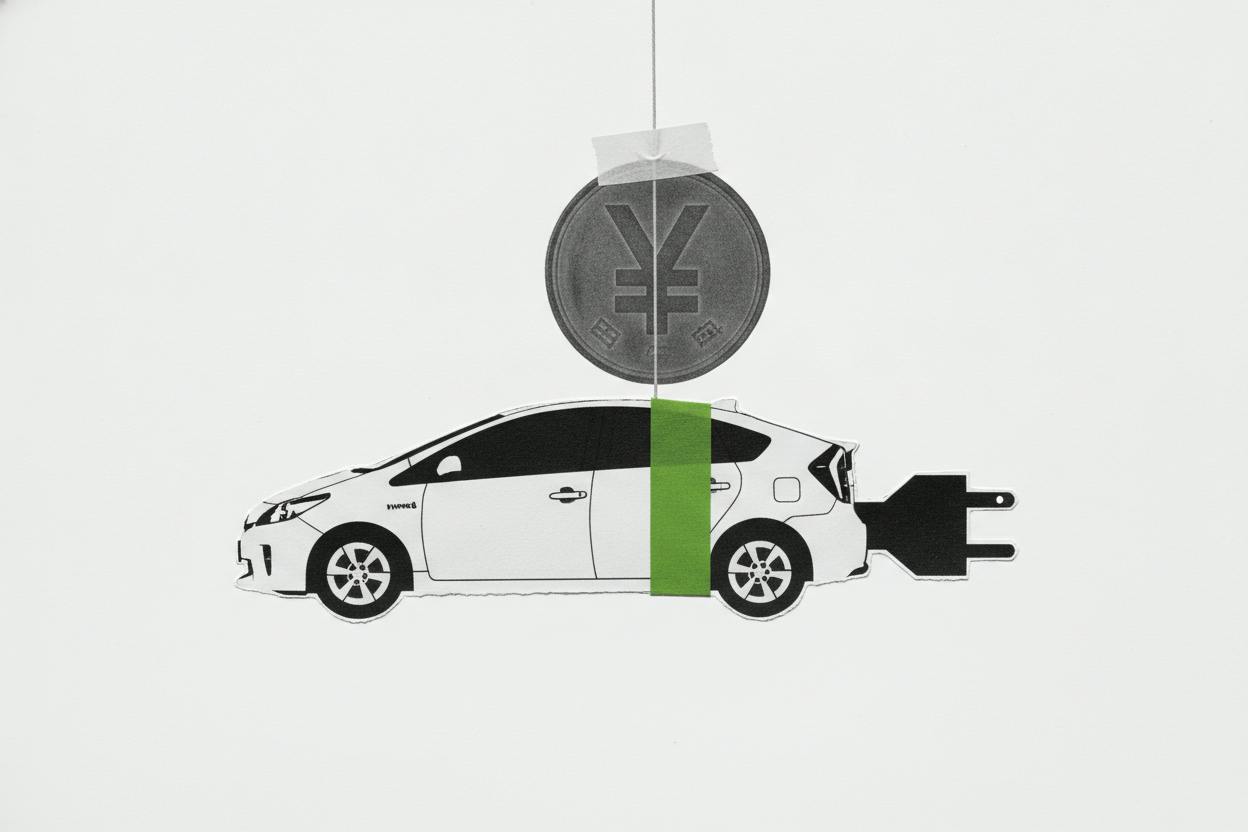
Toyota has been a vocal proponent of hybrids—vehicles that combine a gasoline engine with an electric motor—even as many rivals have poured billions into fully electric vehicles (EVs). That strategy has often been criticized as too cautious, but the latest results suggest it's paying off in the current market.
Hybrids typically carry higher profit margins than conventional gasoline cars, and they've seen steady demand in markets where EV adoption has slowed due to concerns about charging infrastructure, range anxiety, and higher upfront costs. In the U.S., for example, hybrid sales have remained strong even as EV growth has cooled. Toyota's lineup, including models like the RAV4 Hybrid and Prius, has benefited from this trend.
The company's focus on hybrids also gives it pricing power. Because hybrids are seen as a practical middle ground for many buyers, Toyota can charge a premium without losing customers to cheaper gasoline models or more expensive EVs. That pricing power is a key reason operating profit beat expectations.
The yen's helping hand
A weaker yen is another major factor behind the profit boost. When the yen falls against other currencies, Toyota's overseas sales—which account for a large share of its revenue—translate into more yen when brought back to Japan. This currency tailwind has been a recurring theme for Japanese exporters, and it's particularly significant for Toyota given its global scale.
However, a weaker yen also raises the cost of imported materials and energy, which can squeeze margins. So far, the benefits have outweighed the costs, but investors will be watching whether that balance shifts if the yen strengthens or if commodity prices rise.
What it means for investors
For everyday investors, Toyota's results offer a few takeaways. First, they highlight the importance of looking beyond headline numbers to understand what's driving a company's performance. In this case, it's not just about selling more cars—it's about the mix of vehicles sold and the currency environment.
Second, the results underscore that the transition to electric vehicles isn't a straight line. While EVs are growing, hybrids remain a profitable and popular option for many consumers. Companies that can offer a range of powertrains—gasoline, hybrid, and EV—may be better positioned to navigate shifting demand.
Finally, the forecast upgrade is a positive signal about management's confidence in the months ahead. But investors should remember that forecasts can be revised again if conditions change, such as a stronger yen, a global economic slowdown, or increased competition in the hybrid market.
Toyota's performance also comes amid a broader backdrop of mixed earnings reports from global companies. For instance, Uber's profit forecast missed expectations due to higher fuel and driver costs, while Novo Nordisk raised its outlook on strong sales of its weight-loss drug. These contrasting results remind investors that company-specific factors often matter more than broad market trends.
Looking ahead, investors will likely watch Toyota's next steps in the EV space, as well as any updates on its hybrid strategy. The company has announced plans to expand its EV lineup, but it's clear that hybrids will remain a cornerstone of its profitability for the foreseeable future.
For those holding Toyota shares or considering an investment, the key is to monitor how the company balances its hybrid profits with its EV investments. If hybrids continue to generate strong cash flow, Toyota can fund its EV transition without sacrificing near-term earnings. That's a delicate balance, but one the company has managed well so far.
As always, past performance isn't a guarantee of future results. But Toyota's latest quarter is a reminder that sometimes the most profitable bet is the one that's been running for years, not the one that's just getting started.