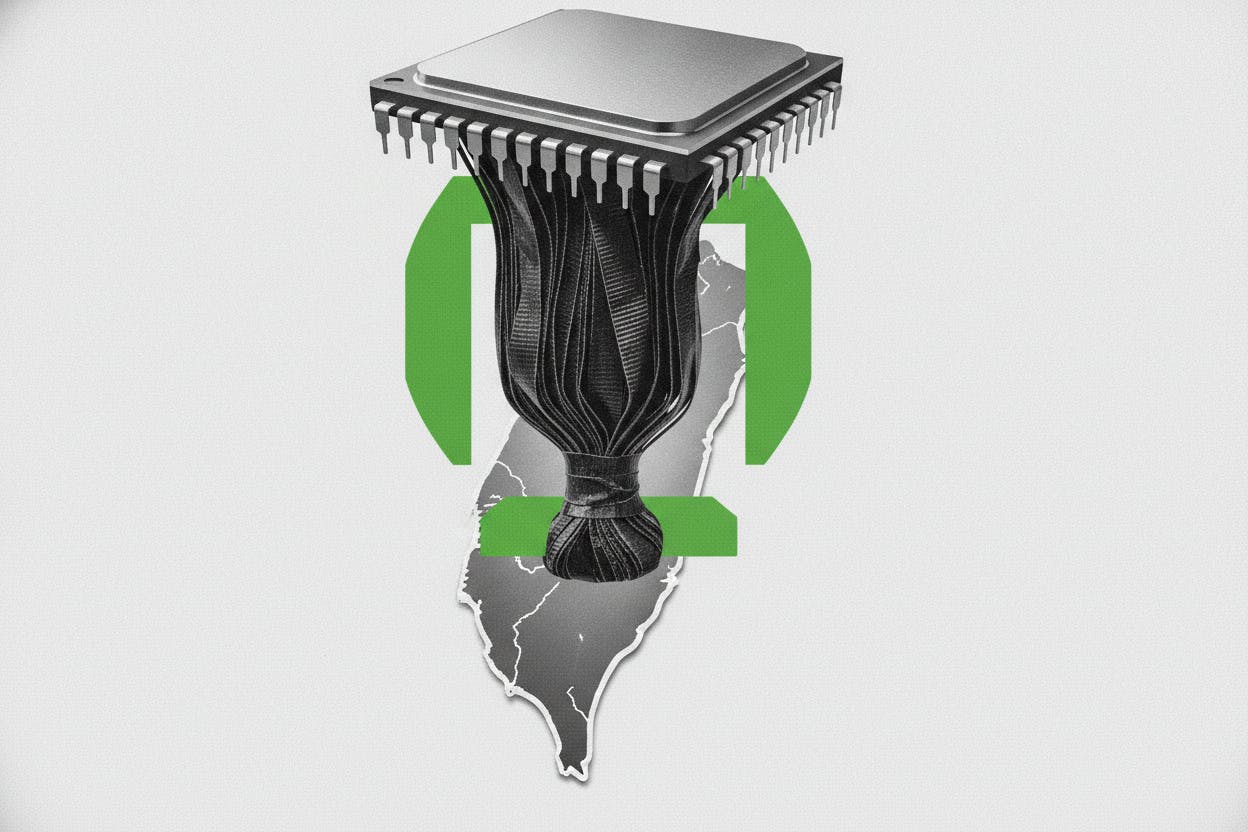
Taiwan Semiconductor Manufacturing Company (TSMC) is expanding its advanced packaging capacity in Taiwan, announcing plans for three additional facilities at the Chiayi Science Park. The new sites come on the heels of two packaging plants that began production in June, signaling the chipmaker's aggressive push to address a growing bottleneck in the semiconductor supply chain.
What Is Advanced Packaging?
Advanced packaging refers to the back-end process of chipmaking where individual silicon dies are assembled, connected, and cooled into a functional package. While front-end manufacturing—where transistors are etched onto wafers—gets most of the attention, packaging is increasingly critical as chips become more complex. For AI processors, which combine multiple high-performance components, advanced packaging determines how fast data can move between parts and how effectively heat is dissipated.
Without sufficient packaging capacity, even the most advanced chips can't reach customers on time. This has become a major constraint for the semiconductor industry, especially as demand for AI accelerators surges. TSMC's investment in Chiayi Science Park directly targets this pinch point.
Why TSMC Is Investing Now
The timing of TSMC's expansion reflects the explosive growth in AI computing. Companies like Meta and Micron are pouring billions into AI chip development and production. For instance, Meta's Iris chip production is set for September as the company doubles its AI computing capacity. Similarly, a $3 billion investment from Meta and Micron has fueled a broader AI chip rally, underscoring the industry's hunger for advanced silicon.
TSMC's advanced packaging technologies, such as CoWoS (Chip-on-Wafer-on-Substrate), are essential for assembling the massive chips used in AI training and inference. By adding three more facilities in Chiayi, TSMC is betting that demand for these services will remain strong for years to come.
What It Means for Investors
For everyday investors, TSMC's expansion is a signal that the AI chip boom is far from over. The company is investing heavily in capacity to meet demand from its biggest customers, including Nvidia, AMD, and Apple. This suggests that these clients expect sustained growth in AI workloads, which could translate into higher revenue for TSMC and its suppliers.
However, investors should also consider the risks. Building new packaging facilities is capital-intensive and takes time. Any delays in construction or shifts in demand could weigh on returns. Additionally, TSMC's concentration of advanced packaging in Taiwan exposes it to geopolitical risks, as tensions between China and Taiwan remain a concern for global supply chains. Taiwan's central bank recently raised its 2026 inflation forecast after a Q2 CPI overshoot, highlighting broader economic pressures in the region.
For those looking at the broader market, TSMC's move reinforces the importance of the semiconductor supply chain. Companies that provide equipment, materials, or services for advanced packaging could benefit from this trend. But as always, diversification is key—no single stock or sector should dominate a portfolio.
Looking Ahead
TSMC's Chiayi Science Park expansion is part of a larger strategy to secure its leadership in advanced packaging. The company is also building facilities in other parts of Taiwan and abroad, including in the United States and Japan. Investors will be watching for updates on construction timelines and customer commitments, as these will determine how quickly the new capacity translates into revenue.
In the meantime, the AI chip rally shows no signs of slowing. With major tech companies racing to develop their own processors and expand data centers, TSMC's advanced packaging capabilities are likely to remain in high demand. For investors, understanding this back-end process is becoming as important as tracking front-end chip manufacturing.