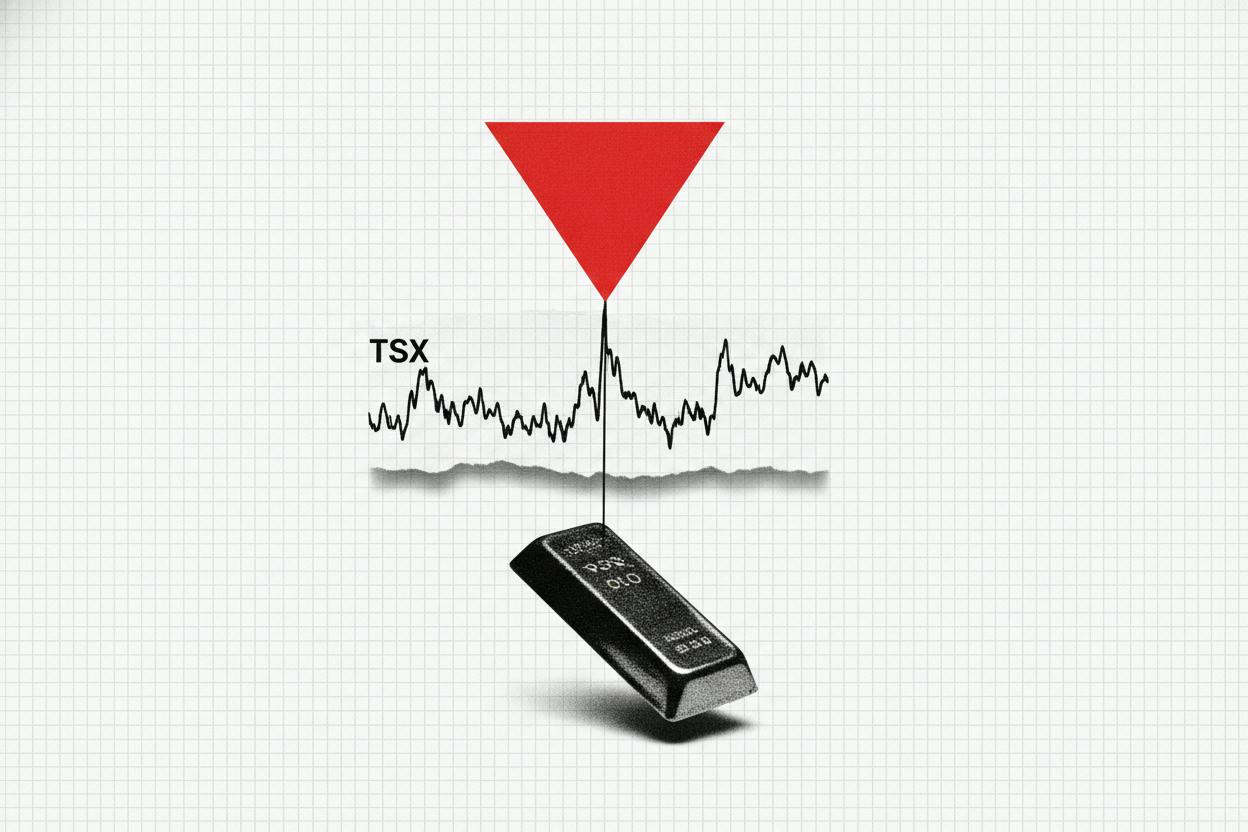
Canada's main stock index closed lower on Thursday, giving back recent gains after a hotter-than-expected US inflation report jolted investors back to worrying about interest rates. The S&P/TSX Composite Index fell 1.11% to end at 35,584.46, pulling back from a three-week high, according to Reuters.
The trigger was a September US inflation reading that came in above forecasts. That single data point reshuffled expectations about how long the Federal Reserve might keep borrowing costs elevated, and the effects rippled quickly through Canadian markets.
Why a US inflation number moves Canadian stocks
Canada and the US are deeply intertwined economically, so what happens to US interest rate expectations rarely stays south of the border. When traders decide the Fed is likely to stay restrictive for longer, they tend to push up bond yields across North America. Canada's 10-year government bond yield climbed to 3.872% as that mood spread.
Higher yields act like gravity on stock prices. They raise the return investors can get from safer assets, which makes riskier holdings look less attractive by comparison. That pressure is felt most acutely in two places: companies whose profits are expected far in the future, and sectors tied directly to commodity prices.
Materials and tech take the hardest hits
The TSX's materials sector, which includes miners and producers of precious and base metals, dropped 4.3% as metal prices weakened. That is the single biggest drag on the index, and it is not hard to see why.
When inflation runs hot, markets often price in a higher path for Fed rates. That can lift "real yields" — essentially bond returns after inflation is accounted for — which raises the opportunity cost of holding precious metals like gold and silver. Those assets don't pay interest, so when bonds start offering more, bullion often softens.
Miners tend to amplify the move. Their revenue tracks metal prices closely, but many of their operating costs — labour, equipment, energy contracts — don't fall nearly as fast. That means profits can swing harder than the underlying commodity, which is why a modest dip in metals can turn into a sharp selloff in mining shares.
Technology was the other weak spot, falling 2.4%. Higher yields make future profits look less valuable in today's dollars, a dynamic that hits growth-oriented sectors hardest. Celestica dropped 9.2%, while Shopify slipped 2.2%.
Rate-sensitive financials also edged lower, down 0.5%, as investors weighed what a longer stretch of restrictive policy might mean for lending and credit conditions.
What it means for investors
The day's action is a reminder of how concentrated the TSX is in certain sectors. Because the index has a large materials footprint, a rate shock can drag the benchmark lower even if other areas, like energy, hold up relatively well. A 4.3% slide in one heavyweight sector can outweigh steadier performances elsewhere.
For everyday investors, the takeaway isn't to react to a single session. It's to understand the mechanism. Inflation data influences rate expectations, rate expectations influence bond yields, and bond yields influence how the market values everything from gold miners to software companies. That chain reaction is why a US economic report can move a Canadian portfolio.
Investors will now be watching two things closely: the next round of US inflation and employment data, which will shape whether the Fed actually follows through on another hike, and the path of metal prices, which will determine whether the materials drag persists or reverses. The Fed's latest economic survey has already pointed to a patchwork economy with lingering price pressures, adding to the sense that the inflation fight isn't over.
It's also worth noting that this wasn't a Canada-specific story. The hot US inflation print lifted the dollar and sent gold to a two-month low, a combination that directly pressures the TSX's mining names. Similar dynamics played out in other markets, with Latin American markets sliding on the same report.
For now, the TSX remains caught between two forces: a North American economy that has proven more resilient than many expected, and a central bank that isn't ready to declare victory on inflation. Until one of those forces clearly wins, expect days like this — where a single data point resets the mood — to keep happening.