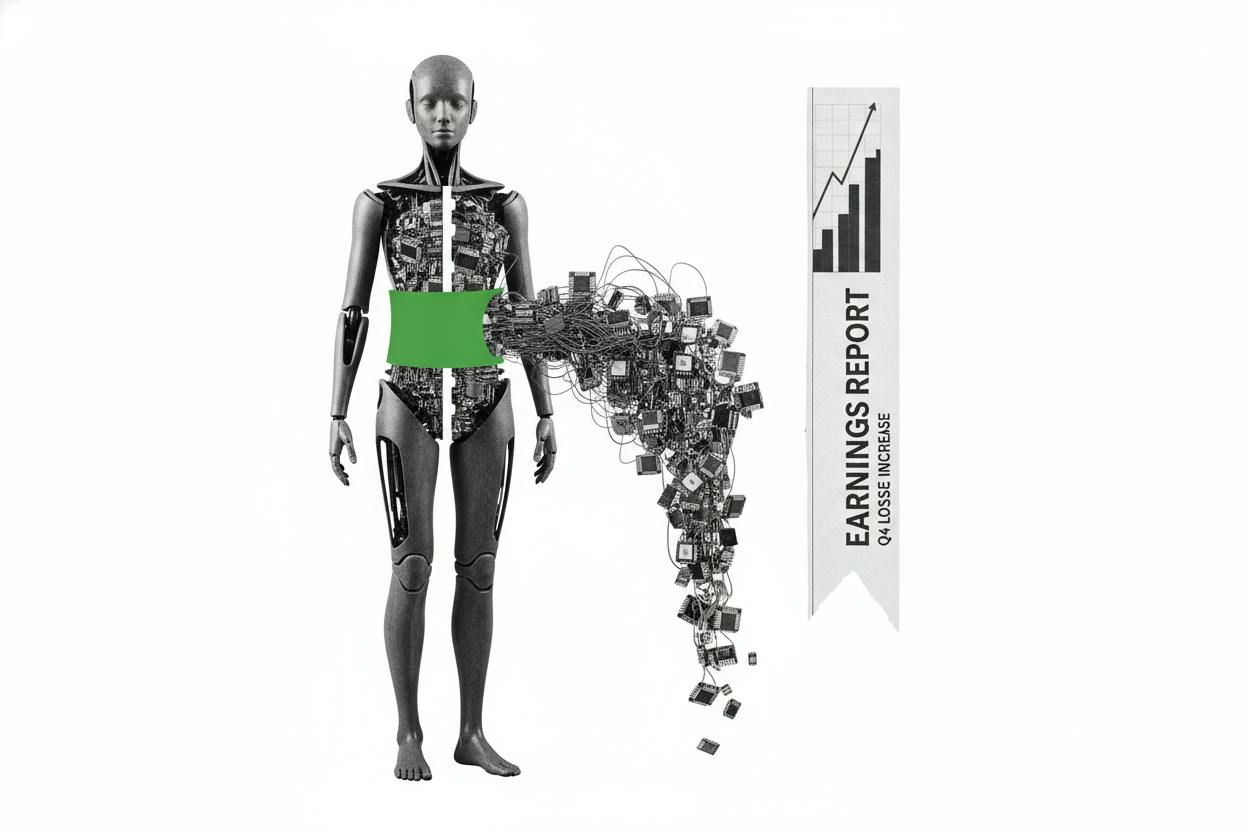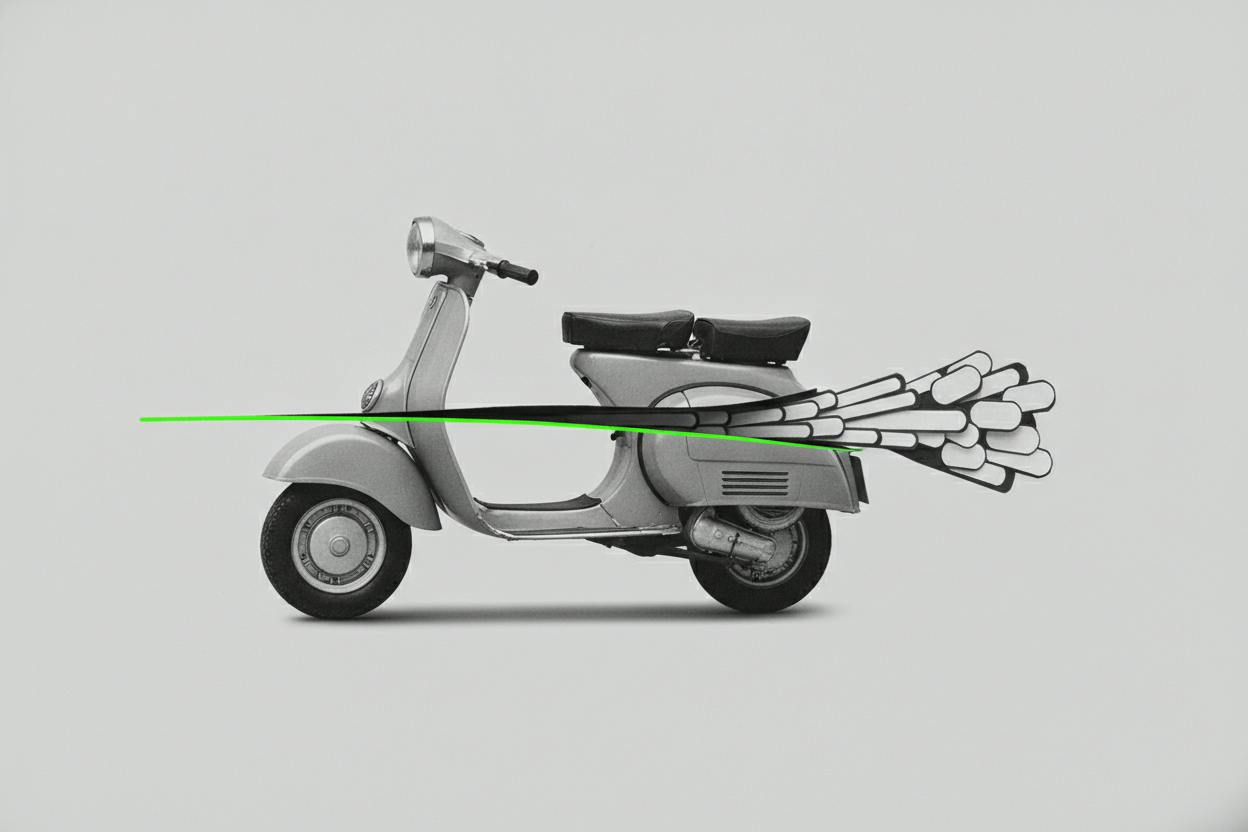
TVS Motor, one of India's largest two-wheeler makers, has announced plans to spin off its consumer-finance arm into a separately listed company. Under the proposed structure, shareholders will receive one share in the new finance entity for every TVS Motor share they hold. The move comes on the heels of a quarterly profit beat, giving the company room to pursue a major structural change.
What is being spun off?
The finance arm, which handles loans, leasing, and investments, is already a meaningful part of the group. In the six months ended September 30, it generated 39.21 billion rupees in revenue. By separating it, TVS Motor is essentially splitting one group into two focused businesses: a vehicle manufacturer and a lender.
TVS says the separation will give the finance arm more control over its own strategy and capital decisions. At the same time, the parent company can concentrate on building and selling scooters and motorcycles, especially as demand grows and electric-vehicle volumes rise.
Why now?
The timing is notable. TVS Motor just reported a profit beat, with sales and revenue rising strongly. That financial strength gives management the confidence to pursue a big structural change without the pressure of a weak quarter.
The spin-off is also happening against a backdrop of growing competition in India's two-wheeler market, where electric models are gaining traction. By separating the finance arm, TVS can allocate capital more efficiently to both the vehicle business and the lending operation.
What it means for investors
For investors, the one-for-one spin-off sets up two separate valuation scorecards. A consumer-finance business is typically judged like a lender: how it funds itself, how risky its loan book is, and how much capital it needs to grow. A two-wheeler manufacturer, on the other hand, is valued more on demand, pricing power, margins, and unit volumes.
Keeping both under one ticker can blur those drivers. Investors often apply a “conglomerate discount” to companies that operate in multiple, unrelated businesses, because they are harder to analyze. A separate listing forces standalone disclosure and lets the market price the finance company's funding and credit profile independently from the parent's vehicle cycle.
Over time, that could shift TVS Motor toward a clearer sum-of-the-parts valuation, with capital allocation decisions easier to track across the two businesses. For shareholders, the spin-off means they will end up holding two separate stocks, each with its own risk and reward profile.
What to watch next
Investors will be watching for details on the spin-off structure, including the listing timeline and any regulatory approvals. They will also be looking at how the finance arm's loan book performs, especially in a rising interest rate environment, and how the parent's vehicle sales hold up as competition intensifies.
Other Indian companies have pursued similar demergers to unlock value, and the results have varied. The success of this spin-off will depend on how well both businesses can operate independently and whether the market rewards the clearer focus.
For now, the announcement is a positive signal that TVS Motor is thinking long-term. But as with any structural change, the real test will come when the new finance company starts trading on its own.