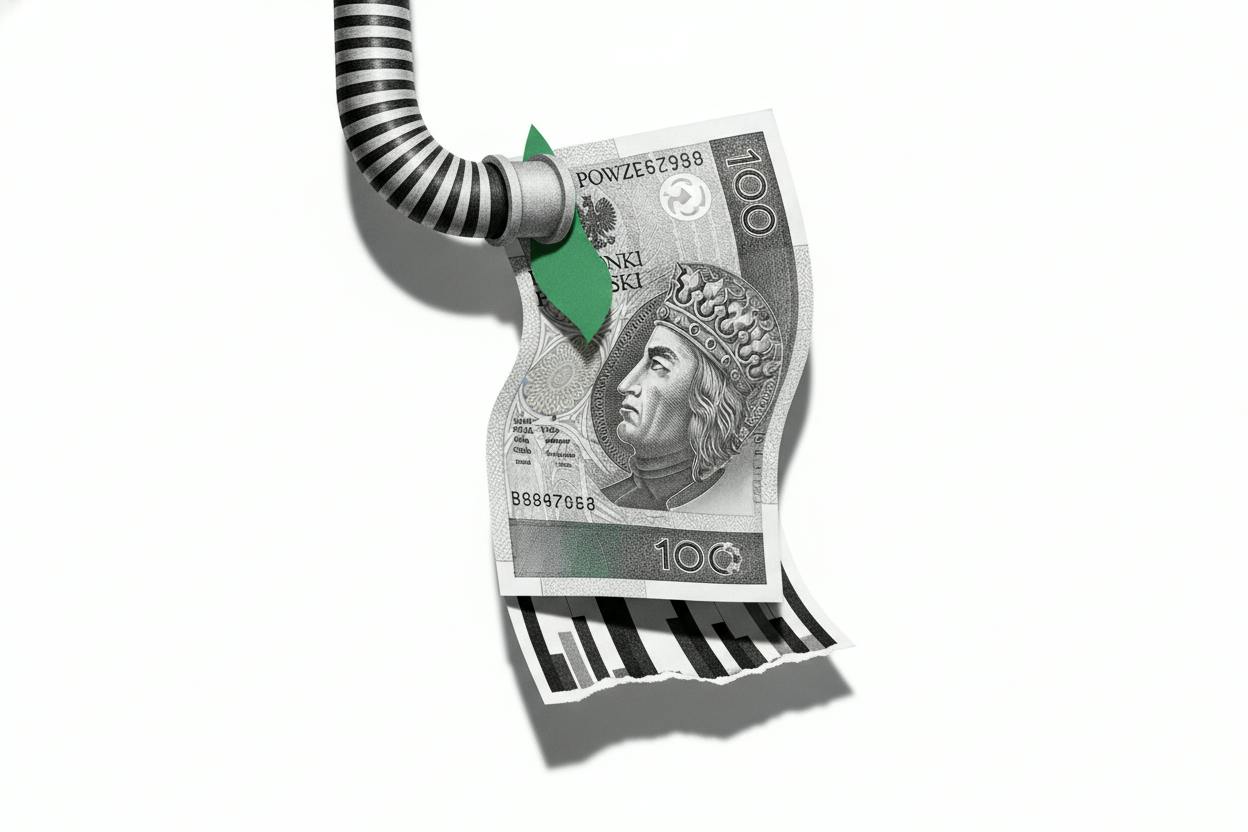
Central Europe's currencies came under pressure on Tuesday as rising oil and gas prices and a looming Federal Reserve rate decision kept traders on edge. The Polish zloty slipped 0.3% to 4.410 per euro, its weakest level since November 2023, while Hungary's forint fell 0.2% to 367.25, according to Reuters.
The moves reflect a familiar double whammy for the region: an energy shock that threatens to push up consumer prices, and a global interest-rate backdrop that could keep the dollar strong and drain capital from emerging markets.
Energy costs hit importers hard
The immediate catalyst was energy. Analyst firm Equilor flagged that benchmark Dutch TTF natural gas was hovering around €95 per megawatt-hour, while oil prices also climbed. For countries that import a large share of their fuel, pricier energy can quickly leak into inflation because businesses pay more for power, transport, and heating.
Hungary is especially exposed on that front, which helps explain why its currency tends to react quickly to energy swings. Poland, too, relies heavily on imported gas and oil, so a sustained rise in energy costs would likely feed through to consumer prices in the coming months.
This is not just a regional issue. Other economies are grappling with similar pressures. For instance, the Bank of Canada is expected to raise rates as energy inflation persists, and companies like HUL have warned that commodity costs are still rising despite profit gains.
The Fed looms large
The other force is global rates. PKO Bank, Poland's largest lender, called the upcoming Federal Open Market Committee (FOMC) meeting the key event for foreign-exchange markets. If the Fed sounds less eager to cut rates, US yields and the dollar often stay supported, which can pressure emerging-market currencies.
Put together, traders are weighing a local energy shock against whatever direction the US central bank sets for the dollar. A stronger dollar makes it more expensive for countries like Poland and Hungary to service dollar-denominated debt and can prompt investors to pull money out of riskier assets.
The Fed's decision is also being watched by other central banks. The dollar's strength is already hitting Asian currencies, and a hawkish Fed would likely amplify those pressures globally.
What it means for investors
For markets, the immediate fallout is visible in Poland's bond market. The zloty's slide to 4.410 per euro coincided with a widening of Poland's 2-year yield spread over German Bunds to +192 basis points. That spread is a measure of the extra compensation investors demand for holding Polish assets, and it tends to widen when inflation expectations rise or when the central bank is expected to keep rates higher for longer.
A weaker zloty makes Poland's imported energy bill larger in local currency, which can lift the "inflation risk premium" investors demand for holding Polish assets. That tends to show up first in short-dated government bonds, where expectations for the policy rate get repriced fastest.
So even if the move starts in foreign exchange, the pressure valve can become the front end of the yield curve. Poland's 2-year yield was cited at 4.997%, and the widening spread versus Bunds signals that investors are bracing for higher inflation or a more hawkish central bank.
For Polish companies and households that borrow at rates linked to short maturities, that's the channel that can feed into higher funding costs. If the trend continues, it could weigh on economic growth and corporate earnings.
That said, the situation is not unique to Poland. Polish banks like mBank have shown resilience despite higher taxes, and the region's economies have weathered energy shocks before. But the combination of high energy prices and a potentially hawkish Fed is a test for currencies across Central and Eastern Europe.
What to watch next
Investors will be closely watching the Fed's statement and press conference for any hints about the pace of future rate cuts. If the Fed signals a slower path, the dollar could stay firm, keeping pressure on emerging-market currencies. On the energy front, any further rise in gas prices would likely deepen the region's inflation concerns and could prompt central banks to hold rates higher for longer.
For now, the zloty and forint are feeling the heat, and the coming days will show whether this is a temporary wobble or the start of a more sustained trend.