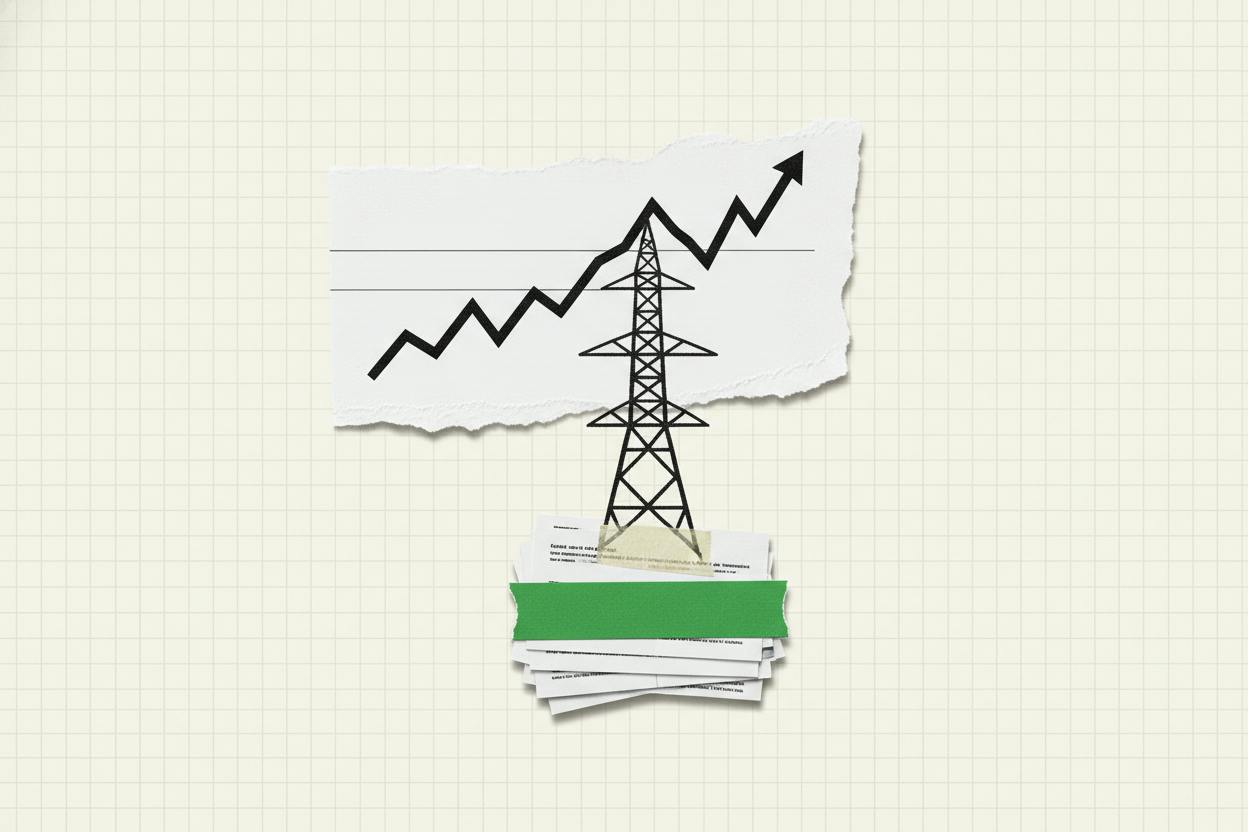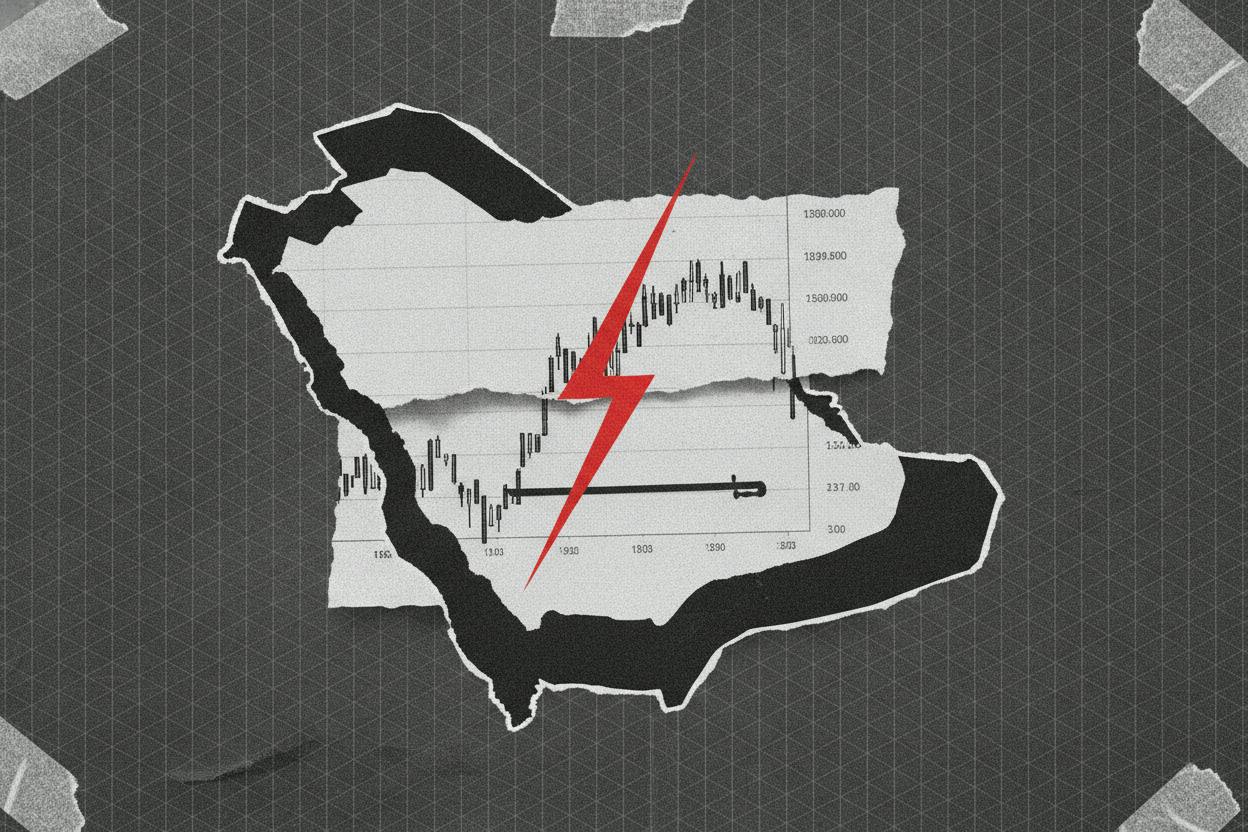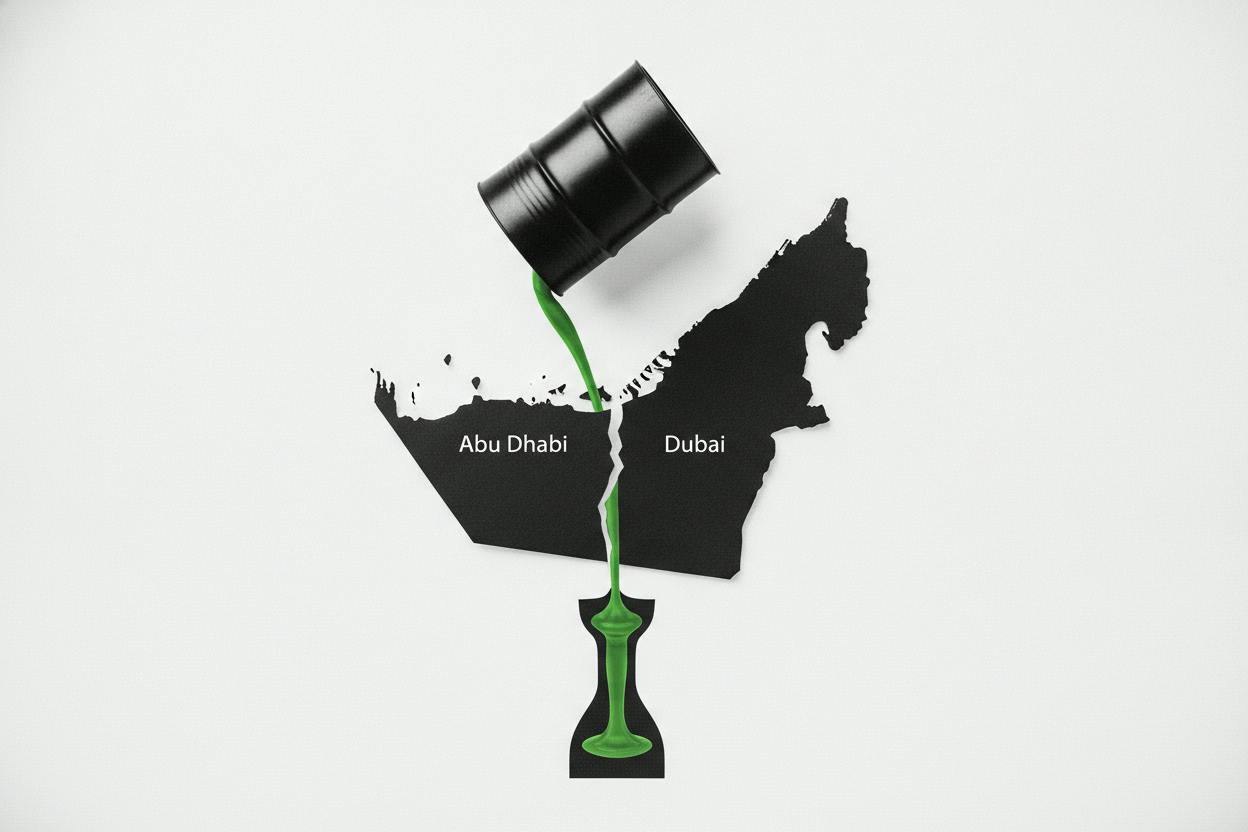
UAE stocks ended the session on a mixed note as oil prices climbed back above $100 a barrel, reviving concerns about potential disruptions to shipping through the Strait of Hormuz. Abu Dhabi's main index finished essentially unchanged, while Dubai's benchmark slipped, reflecting the tug-of-war between higher energy prices and heightened geopolitical uncertainty.
Oil's rally and the Hormuz factor
Crude's return to triple digits has been driven by a combination of supply tightness and fresh headlines around Iran, the US, and Houthi attacks in the region. The Strait of Hormuz, a narrow waterway between the Persian Gulf and the Gulf of Oman, is a critical chokepoint for global oil shipments—roughly a fifth of the world's petroleum passes through it. Any threat to that route can quickly push prices higher, as traders price in the risk of supply interruptions.
ING, a European bank, noted that the biggest risk is an escalation that actually disrupts tanker traffic. So far, the attacks have been more of a nuisance than a full-blown blockade, but the market is on edge. The recent attacks near Hormuz have already rattled Gulf markets, and Wednesday's move shows the fear hasn't faded.
Why Abu Dhabi and Dubai diverged
The split between Abu Dhabi and Dubai is a reminder that these two markets, while both in the UAE, are driven by different forces. Abu Dhabi's index is heavily weighted toward energy and large-cap names, so a rise in oil prices tends to support it. Dubai, on the other hand, has more exposure to real estate, tourism, and financials, which can be more sensitive to global risk sentiment and interest rate expectations.
So when oil goes up, Abu Dhabi gets a tailwind, but Dubai may feel the drag from higher input costs and the prospect of tighter monetary policy. That's exactly what played out on Wednesday: Abu Dhabi held its ground, while Dubai gave up a little ground.
Friday's US CPI report looms
Investors are now looking ahead to Friday's release of the US Consumer Price Index (CPI) for August. CPI is the most closely watched measure of inflation, and it will give the Federal Reserve a key data point for its next interest rate decision. If inflation comes in hot, the Fed may be forced to keep rates higher for longer, which tends to strengthen the dollar and put pressure on emerging market assets, including Gulf stocks.
The combination of high oil and a looming CPI print is already weighing on emerging markets across Asia, and the UAE is no exception. A strong inflation number could also push bond yields up, making riskier assets like stocks less attractive.
What it means for investors
For everyday investors, the key takeaway is that oil prices and geopolitics are moving markets in ways that can be hard to predict. When crude is above $100, energy-heavy markets like Abu Dhabi can benefit, but the same high oil prices can feed inflation and prompt central banks to keep interest rates elevated, which is a headwind for growth-oriented stocks.
It's also a reminder that regional markets are not monolithic. Saudi stocks, for instance, have been dealing with their own set of pressures, and the divergence between Abu Dhabi and Dubai shows how sector composition matters.
Investors should watch the Strait of Hormuz headlines closely—any escalation could send oil even higher and trigger sharper moves in Gulf equities. At the same time, Friday's CPI report will be a major driver for global markets, and its impact will likely ripple through to the UAE.
The broader picture
The UAE's stock markets have been on a generally upward trend this year, supported by strong corporate earnings and government reforms. But they remain sensitive to external shocks, and the current environment—high oil, geopolitical tension, and uncertain inflation—creates a volatile mix.
As always, diversification is key. Investors with exposure to Gulf stocks should be aware that a single event, like a Hormuz disruption or a surprising inflation number, can cause sharp swings. Keeping a long-term perspective and not overreacting to daily moves is often the best strategy.
For now, the market is in a wait-and-see mode. The next few days will bring more clarity on both the oil situation and the inflation outlook, and that will likely determine the direction for UAE stocks in the near term.