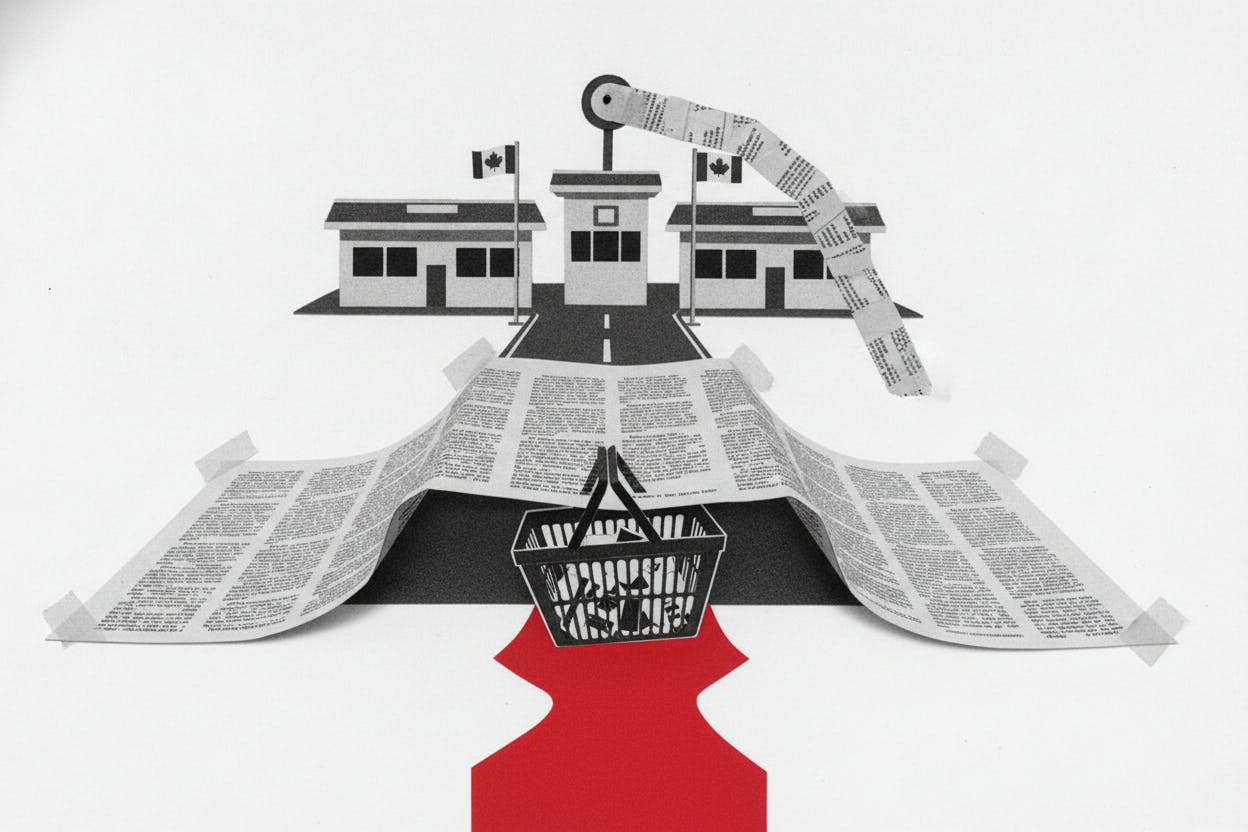
US stock futures pointed lower Tuesday as markets reopened after the long weekend, with investors digesting a fresh round of trade tensions and higher oil prices. Canada's new tariffs—ranging from 15% to 50% on hundreds of American products—went into effect, marking the latest escalation in a dispute that has rattled cross-border trade.
What's happening in the markets
Futures for major US indices slipped in early trading, suggesting a soft open when the bell rings. The move comes after a holiday break, so traders are catching up on news that accumulated while markets were closed. Oil prices also rose, adding to the cautious tone. Higher energy costs can feed into inflation and squeeze corporate margins, which is why investors watch crude closely.
Canada's tariffs are a direct response to the breakdown of trade talks with the US. The duties cover a wide range of goods, including dairy, farm equipment, paper, appliances, and electronics. For businesses that rely on cross-border supply chains, these tariffs can raise input costs and create logistical headaches.
Why this matters for investors
Tariffs are essentially a tax on imported goods, and companies often pass those costs on to consumers. That can lead to higher prices at the checkout, which complicates the Federal Reserve's fight against inflation. If inflation stays sticky, the central bank may keep interest rates higher for longer, which tends to weigh on stock valuations.
For everyday investors, this means volatility could continue. Trade disputes are rarely resolved overnight, and the back-and-forth can create uncertainty. Sectors that are heavily exposed to cross-border trade—like agriculture, manufacturing, and retail—may feel the pinch more than others. On the other hand, companies that produce domestically or have diversified supply chains might be better positioned.
Oil's rise is another factor to watch. Higher energy prices can boost energy stocks, but they also increase costs for transportation and manufacturing. Historically, sustained oil price spikes have been a drag on the broader market, as seen in earlier episodes when oil neared $100 and kept traders on edge.
What to watch next
Investors will be looking for any signs of a de-escalation in the trade dispute. Negotiations could resume, but for now, the tariffs are in place. Also on the radar: oil price movements and any fresh inflation data. If crude keeps climbing, it could reinforce the case for higher-for-longer interest rates.
Global markets have already been reacting to similar dynamics. Canadian stocks have dipped when oil climbs on supply concerns, and Asian markets have slipped on geopolitical oil risk. The pattern is familiar: trade friction plus energy costs equals a cautious mood.
For now, the key takeaway is that tariffs and oil are two forces that can move markets in tandem. While the immediate impact may be modest, the longer these pressures persist, the more they can erode corporate profits and consumer spending. Investors should keep an eye on how companies in trade-sensitive sectors report their earnings and guidance in the coming weeks.
As always, it's important to remember that market moves like this are normal. Short-term dips can be unsettling, but they don't necessarily signal a long-term trend. Staying diversified and focused on your investment horizon remains a sound approach.



