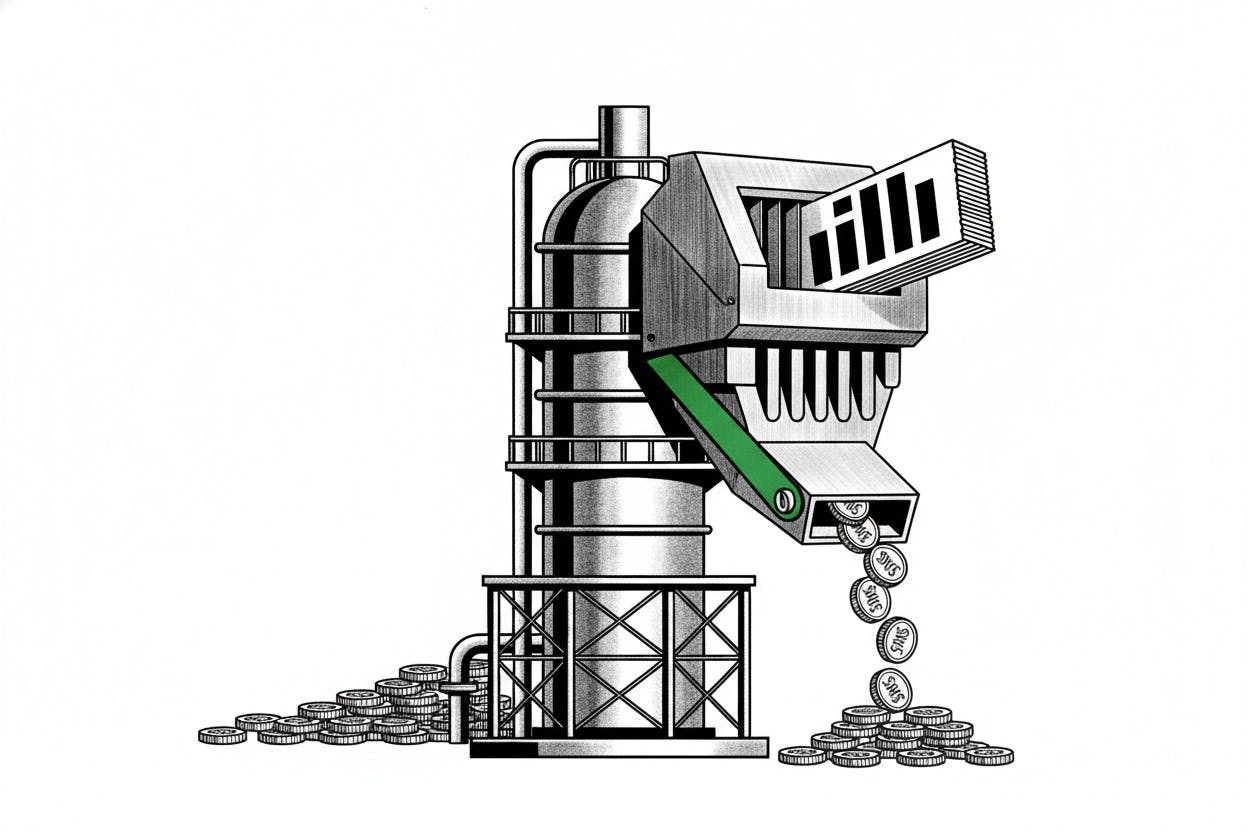
Three of America's largest oil refiners—Marathon Petroleum, Valero, and Phillips 66—handed a combined $6.3 billion back to their shareholders during the second quarter, according to a Reuters report. The windfall came as a jump in fuel prices widened the gap between what these companies pay for crude oil and what they can charge for gasoline, diesel, and jet fuel.
That gap, known in the industry as the "crack spread," is the single biggest driver of a refiner's profit. When crack spreads widen, refiners earn more on every barrel they process. When they narrow, margins get squeezed. In the second quarter, the spread moved decisively in the refiners' favor.
Why refining margins jumped
Several forces combined to push fuel prices higher. Shipping risks in the Middle East—a region that moves a large share of the world's crude and refined products—prompted buyers to lock in supply earlier and at higher prices. At the same time, inventories of gasoline and diesel were tighter than usual, giving refiners more pricing power at the pump and at the wholesale level.
The result was a bumper quarter for the trio. Together, Marathon, Valero, and Phillips 66 posted $12.6 billion in combined second-quarter profit. That's a substantial haul for an industry that often swings between boom and bust depending on global supply and demand.
Refiners are not just keeping that cash. They're returning it to shareholders through dividends and, more significantly, through share buybacks. Buybacks reduce the number of shares outstanding, which can boost earnings per share and support the stock price. For investors, a hefty buyback program is often a sign that a company believes its shares are undervalued and that it has few better uses for its cash.
What analysts expect next
According to the Reuters report, analysts expect the buyback pace to stay elevated into the third quarter. That suggests the companies see the current margin environment as durable enough to keep returning cash, even if fuel prices eventually cool.
It's worth noting that refining margins can be volatile. A sudden drop in crude prices, a rise in global refining capacity, or a slowdown in demand could all narrow crack spreads quickly. For example, falling crude prices can sometimes help refiners by lowering their input costs, but they can also signal weaker demand, which hurts margins.
Investors should also keep an eye on broader economic signals. If the economy slows and people drive less or freight demand drops, fuel consumption could fall, putting pressure on margins. On the other hand, if supply disruptions persist, margins could stay fat for a while longer.
What it means for everyday investors
For investors who own shares in these companies—or who are considering them—the big takeaway is that the refiners are in a strong cash position right now. The $6.3 billion returned in Q2 is real money that flows directly to shareholders, either as dividends or through buybacks that can lift the value of remaining shares.
But it's important to remember that refining is a cyclical business. High margins today can attract more supply or dampen demand, which often leads to lower margins later. That's why analysts are watching the third quarter closely: if margins hold, buybacks could continue; if they fade, the cash returns might shrink.
For a broader view of how margins are playing out across different sectors, some companies are seeing margins hold up while others warn of cooling ahead. The refining story is part of that larger pattern.
Also worth noting: other refiners around the world have also benefited from strong margins, suggesting this isn't just a US phenomenon. But the US trio's decision to return billions to shareholders stands out as a clear signal of confidence.
As always, past performance isn't a guarantee of future results. Investors should weigh the cyclical nature of refining and consider how much of their portfolio they want exposed to energy prices. The companies themselves seem to be betting that the good times will last at least a little longer.