Brazilian fuel retailer Vibra Energia is pushing a premium diesel product into the country's largest mining operations, after pilot tests at Vale sites showed fuel consumption dropping by 5% to 6%. The results, reported by Reuters, mark an attempt to transform diesel from a plain commodity into a performance product that commands a higher price.
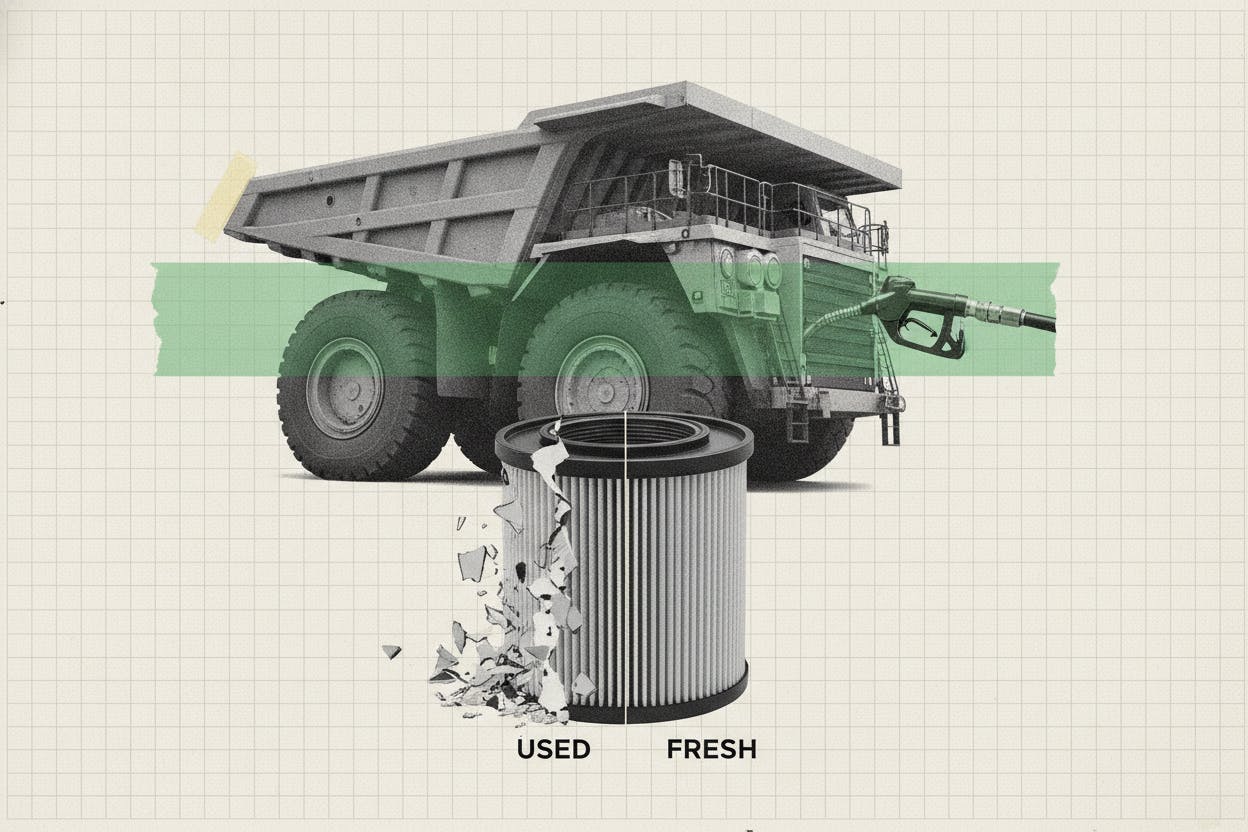
Vibra says its Supera Plus diesel reduced fuel use by 5% at Vale Base Metals' Salobo mine and by 6% at Vale's Onça Puma mine, both located in Brazil's Pará state. The company also reported that the time between filter changes doubled, from 250 hours to 500 hours, a significant maintenance saving for equipment that runs around the clock.
Why mining companies care about fuel efficiency
For miners, fuel is one of the largest operating costs, especially in remote sites where diesel powers haul trucks, excavators, and generators. Even a small percentage reduction in fuel consumption can translate into millions of dollars in annual savings across a large fleet. Equipment downtime is also expensive—every hour a truck sits idle for maintenance is lost production.
Vale, one of the world's biggest iron ore and base metals producers, operates massive open-pit mines where fuel bills run high. The efficiency gains from Supera Plus could help Vale lower costs and reduce its carbon footprint, a growing priority for investors and regulators.
Vibra, formerly known as BR Distribuidora, is Brazil's largest fuel distributor. The company has been looking for ways to grow beyond its traditional commodity fuel business, where margins are thin and competition is fierce. Premium products like Supera Plus offer a path to higher margins and stronger customer loyalty.
What this means for investors
For Vibra shareholders, the Vale tests are a positive signal. If the product gains wider adoption, it could boost profitability and differentiate the company from rivals that sell standard diesel. The mining sector is a major fuel consumer in Brazil, and winning contracts with large miners like Vale could provide a steady revenue stream.
However, the results are still from pilot tests, and scaling up to full commercial use takes time. Vibra will need to prove the product's benefits across different conditions and secure long-term supply agreements. Investors should watch for announcements about broader rollouts and any impact on Vibra's margins.
The move also fits a broader trend in the fuel industry, where companies are trying to add value through additives and specialized blends rather than competing solely on price. Similar strategies are seen in lubricants and aviation fuel, where performance claims can justify premium pricing.
For Vale, the efficiency gains could help offset rising energy costs and support its sustainability goals. The company has committed to reducing emissions, and lower fuel consumption is one way to achieve that. Investors in Vale may see this as a modest positive, though the financial impact is likely small relative to the company's overall cost base.
Broader context: Brazil's energy and mining landscape
Brazil's mining sector is a key driver of the economy, and fuel costs are a major input. The country also faces ongoing debates about fuel pricing and taxation, which can affect distributors like Vibra. Brazil's real and stocks have been volatile amid election and rate concerns, which could influence investor sentiment toward domestic companies.
Meanwhile, Brazil's inflation has cooled to 4.44%, with rate cuts continuing, but caution remains. Lower interest rates could support economic activity and fuel demand, benefiting Vibra. However, any resurgence in inflation could prompt the central bank to pause cuts, affecting consumer spending and industrial output.
The mining sector also faces global commodity price swings. Copper's cash premium has hit a 10-month high as supply tightens, which could boost mining activity and fuel demand in Brazil. For Vibra, a thriving mining sector means more opportunities to sell its premium diesel.
What to watch next
Investors should monitor whether Vibra expands Supera Plus to other mines and whether Vale signs a long-term supply contract. Any announcements about new customers or capacity expansions would be key indicators of the product's success. Also watch for quarterly results from Vibra that break out premium product sales and margins.
For now, the pilot results are encouraging, but they are just one step in a longer journey. As with any new product, the real test is whether it can deliver consistent value at scale.