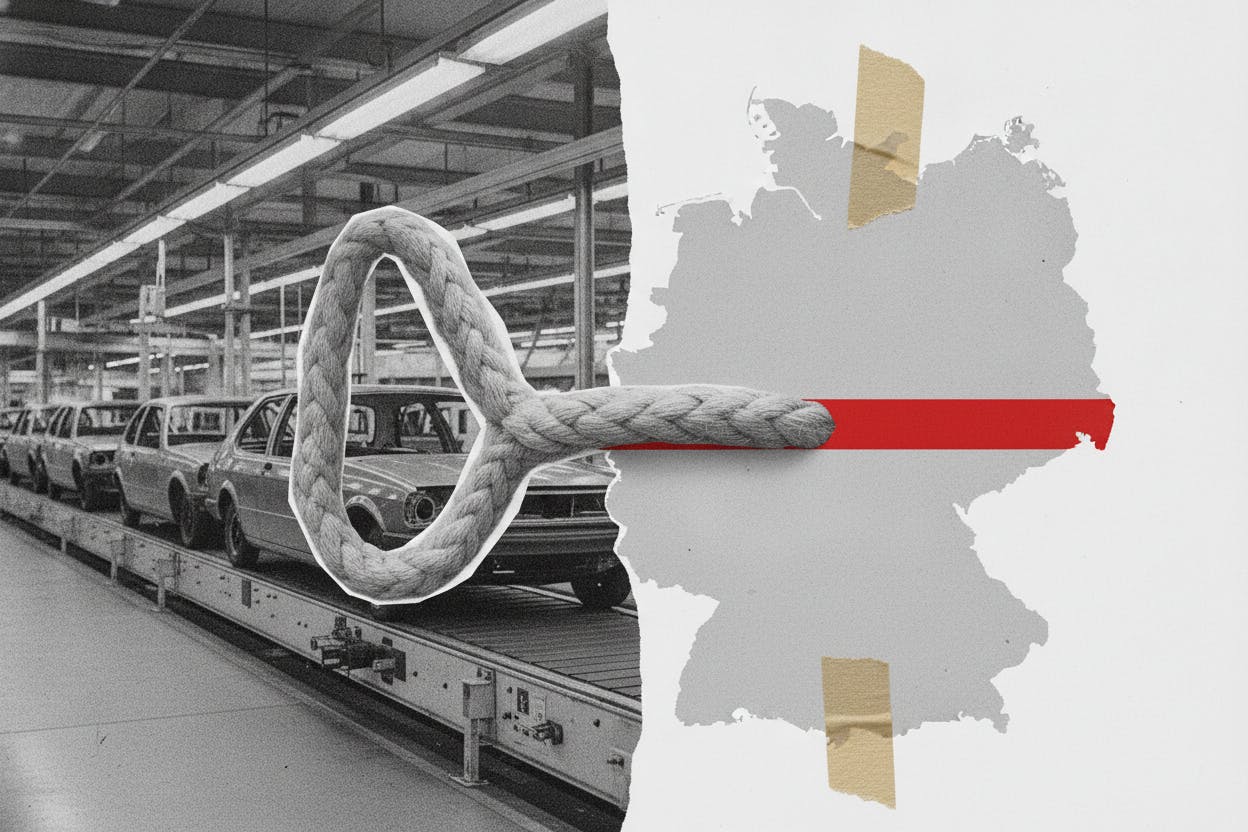
Germany's biggest union, IG Metall, has vowed "maximum resistance" as Volkswagen's supervisory board prepares to vote Friday on three rival restructuring plans that could include plant closures and significant job cuts. The warning escalates a standoff between management and labor at Europe's largest automaker, which is grappling with weak demand and excess production capacity.
What's happening at Volkswagen?
Volkswagen is weighing what could be its biggest overhaul in years. Management and labor leaders have been at odds since July over proposals that could involve closing plants and cutting up to 50,000 jobs. The core dispute is timing: unions argue that prior commitments on jobs and sites should not be reopened, while executives contend the company is carrying too much capacity for today's demand.
VW's finance chief, Arno Antlitz, has previously highlighted the cost pressures facing the company, though the brief notes his comments were cut off. The supervisory board, which includes representatives from both labor and shareholders, is set to vote on three competing plans on Friday. The outcome could shape the company's direction for years.
Why does this matter?
Volkswagen is a cornerstone of Germany's economy, employing hundreds of thousands of workers and supporting a vast network of suppliers. A decision to close plants would be unprecedented in the company's modern history and could have ripple effects across the country's industrial heartland.
For investors, the stakes are high. Volkswagen has been struggling with slowing sales, particularly in Europe and China, and faces intense competition from cheaper electric vehicles. The company has been trying to cut costs to protect margins, but labor opposition makes such cuts politically and operationally difficult.
The situation echoes broader challenges in the auto industry, as manufacturers worldwide adjust to the shift toward electric vehicles and changing consumer preferences. Other companies have faced similar tensions between maintaining jobs and staying competitive. For example, LG Energy Solution recently shifted five US plants from EVs to grid storage, illustrating how automakers and suppliers are rethinking their footprints.
What does this mean for investors?
For everyday investors, the key takeaway is that Volkswagen's restructuring could significantly affect its profitability and stock price. If the company succeeds in cutting costs, it could improve margins and boost returns. If unions block changes, Volkswagen may struggle to compete with more efficient rivals.
The vote on Friday is a critical moment. A decisive move toward closures could signal that management is serious about restructuring, which might be viewed positively by markets. However, it also risks prolonged labor unrest, which could disrupt production and hurt earnings.
Investors should also watch how this plays out in the broader context of the German economy. Labor disputes at major manufacturers can weigh on sentiment and affect related sectors. The outcome could also influence how other companies approach their own restructuring efforts.
It's worth noting that Volkswagen's situation is not unique. BHP's wage talks in Australia recently stalled as unions rejected a 16% offer, highlighting the global tension between labor demands and corporate cost-cutting. Similarly, Rheinmetall, a German defense contractor, faces its own challenges despite a strong backlog, showing that even successful companies must manage future uncertainties.
What to watch next
Friday's supervisory board vote is the immediate focus. Investors will be looking for clarity on which plan gains support and whether it includes plant closures. They'll also watch for any signals about the timeline and scale of job cuts.
Beyond the vote, the real test will be whether Volkswagen can implement changes without triggering a prolonged strike. IG Metall has a history of mobilizing workers, and "maximum resistance" suggests it is prepared to fight hard. That could mean walkouts, which would hit production and add to the company's woes.
For now, the situation remains fluid. Volkswagen's management and unions are locked in a high-stakes negotiation that will determine the company's future shape. Investors should stay informed but avoid making hasty decisions based on headlines alone. The outcome of this battle will unfold over months, not days.