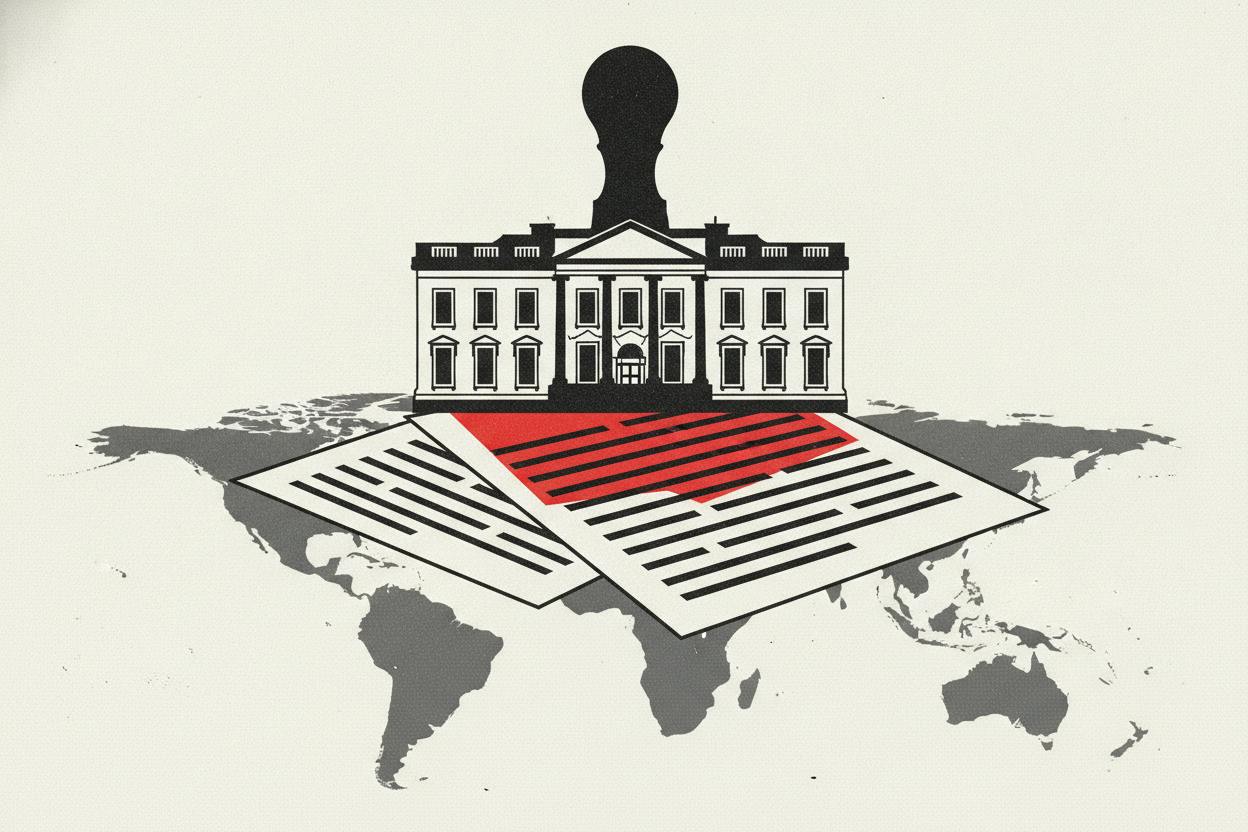
The White House is preparing to name roughly two dozen AI “national champions” — including Nvidia, Amazon, Microsoft, OpenAI, and Anthropic — in a push to help US artificial intelligence firms win overseas contracts, according to The Wall Street Journal.
The plan, which could be unveiled within the next week, is expected to be announced by US Commerce Secretary Howard Lutnick. The idea is straightforward: when a foreign government or large company is choosing an AI supplier, an official US endorsement can act as a credibility signal that lowers perceived political and delivery risk.
That signal can matter a lot in cross-border procurement, where buyers worry about export rules, supply continuity, and whether a project could get caught in US-China tensions. A “national champion” label tells foreign customers that the US government stands behind the company and views it as strategically important.
What the designation could include
The open question is what comes with the designation. It could mean extra support for deals abroad, such as diplomatic backing or help navigating foreign regulations. It could also mean tighter oversight on where chips and software end up, to ensure they don't reach restricted buyers.
For companies like Nvidia, Amazon, and Microsoft, the label could make overseas contracts feel more likely to close. That's because it reassures the customer that US officials will support the relationship and that the supplier is viewed as a trusted, long-term partner.
But the program could also come with strings attached. If it's tied to export compliance, investors will watch for new constraints that could limit sales in sensitive markets. That's a real consideration, given the ongoing US-China tech rivalry and the strict export controls already in place on advanced chips.
Why it matters for investors
Markets price stocks partly on how predictable future revenue looks. A government-backed “national champion” tag can improve that predictability, because it reduces the uncertainty around winning international deals.
Even a small perceived lift in contract win rates can boost earnings visibility for firms like Nvidia, Amazon, and Microsoft. Those companies are already among the biggest players in AI, and a government endorsement could widen their moat further.
At the same time, similarly positioned AI players that are left off the list could face tougher comparisons. If the label becomes a de facto requirement for winning certain foreign contracts, companies without it may find themselves at a competitive disadvantage.
The list of about two dozen could therefore widen the gap between AI winners and everyone else. That's a dynamic investors will be watching closely, especially as AI trade wobbles ahead of Nvidia's earnings and other key events.
Broader context
The move comes as the US and China compete for dominance in AI, a technology seen as critical to economic and national security. The US has already imposed export controls on advanced chips, and the new “national champions” program appears to be another tool in that broader strategy.
For everyday investors, the key takeaway is that government policy is becoming an increasingly important factor in AI stock performance. While the fundamentals of AI companies — revenue growth, margins, and innovation — still matter, political support can influence which companies win the biggest contracts.
Investors should also note that the program could have implications beyond the named companies. For example, AI supply chain stocks in Asia could be affected if the designation changes where chips and software are sold.
As with any government initiative, the details will matter. The announcement is expected within the next week, and investors will be parsing the fine print for clues about how much support the “national champions” will actually receive, and what obligations they'll have in return.
For now, the market's reaction will likely be positive for the named companies, but the long-term impact will depend on how the program is implemented. If it boosts US AI exports without adding excessive regulatory burdens, it could be a net positive for the sector. If it comes with heavy oversight, it could create new headwinds.
Either way, the “national champions” list is a reminder that in the world of AI, government policy is now as important as technology itself.