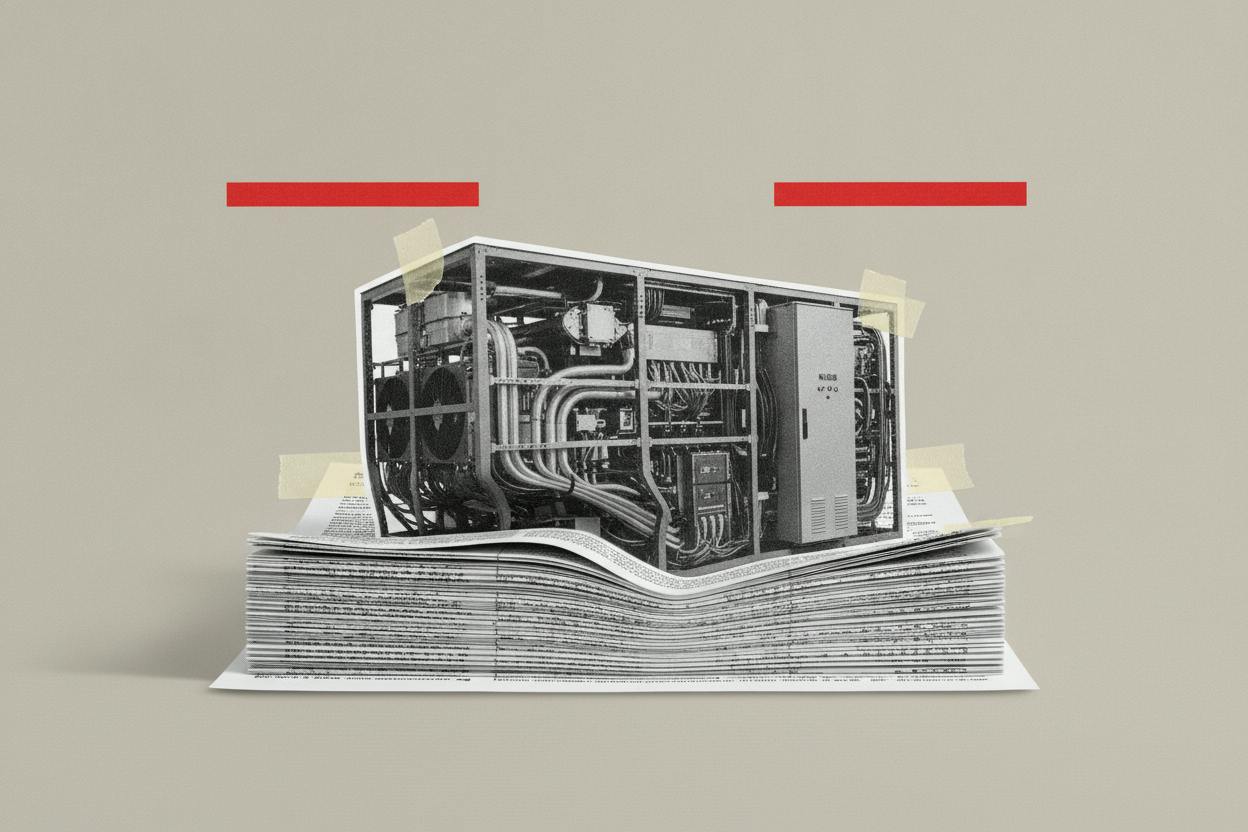
Accelevation, an Ohio-based supplier of power and cooling equipment for data centers, made its Nasdaq debut at $18 a share—below the $20 to $24 range it had targeted. The deal raised $540 million, with the company and selling shareholders offloading 30 million shares. The below-range pricing is being read by investors as a temperature check on the red-hot AI infrastructure trade.
Why the discount?
IPO pricing is a delicate dance between what a company wants and what buyers are willing to pay. When a deal prices below its indicated range, it usually means demand was softer than expected, or that investors demanded a bigger discount to compensate for risk. In Accelevation's case, the backdrop is a market where higher bond yields are making investors more cautious about paying up for growth stories.
Rising yields increase the discount rate used to value future earnings, which hits high-growth companies hardest. That dynamic has been particularly visible in the AI sector, where valuations have run far ahead of current profits. Accelevation's below-range IPO suggests that even companies with a direct line to the AI buildout are no longer getting a blank check from the public markets.
AI infrastructure: still a growth story, but a pickier one
Data centers are the physical backbone of artificial intelligence. Every AI model that processes text, images, or video requires enormous computing power, which in turn requires vast amounts of electricity and cooling. Companies that supply that equipment—like Accelevation—have been among the biggest beneficiaries of the AI spending boom. Projections for AI infrastructure spending run into the trillions over the next decade, and other suppliers have raised their own growth targets on the back of that demand.
But the market is starting to ask harder questions. Are the returns on all this spending going to materialize? How much of the buildout is already priced in? And what happens if interest rates stay higher for longer, making the financing of these capital-intensive projects more expensive? Accelevation's IPO is one data point suggesting that investors are becoming more selective.
What it means for everyday investors
For the average investor, an IPO pricing below its range is a signal, not a verdict. It doesn't necessarily mean the company is weak—it could simply mean the initial asking price was too optimistic. But it does reflect the mood of institutional investors who do the heavy lifting in these deals.
If you're invested in AI-related stocks—whether through individual names or broad tech funds—this is worth watching. A cooling in IPO demand can be an early sign that the market is becoming more discriminating about which AI plays deserve premium valuations. That doesn't mean the AI boom is over, but it does suggest that the easy money phase may be shifting.
It's also a reminder that IPOs are risky. Newly listed companies often have limited trading history, and their shares can be volatile in the first months. Other AI data center IPOs have also tested investor appetite recently, with mixed results. For most people, it's usually wiser to gain exposure through diversified funds rather than trying to pick winners in the IPO market.
The bigger picture
Accelevation's debut comes at a time when the broader market is grappling with the end of the cheap-money era. Central banks are navigating inflation and growth trade-offs, and bond yields have been creeping higher. In that environment, investors are less willing to pay for promises of future growth and more focused on current cash flows and reasonable valuations.
For the AI infrastructure sector, the question is whether this IPO is a blip or a turning point. The demand for data centers is still growing, and the need for power and cooling equipment isn't going away. But the market's willingness to fund that growth at any cost is clearly being tested. Accelevation's below-range pricing is a reminder that even the most exciting stories still have to meet the market where it is.
As the company begins trading, investors will be watching its stock performance closely. A strong post-IPO pop could reassure the market that AI infrastructure demand remains robust. A weak debut could reinforce the sense that the sector is due for a reality check. Either way, the deal is a useful barometer for where investor sentiment on AI actually stands.