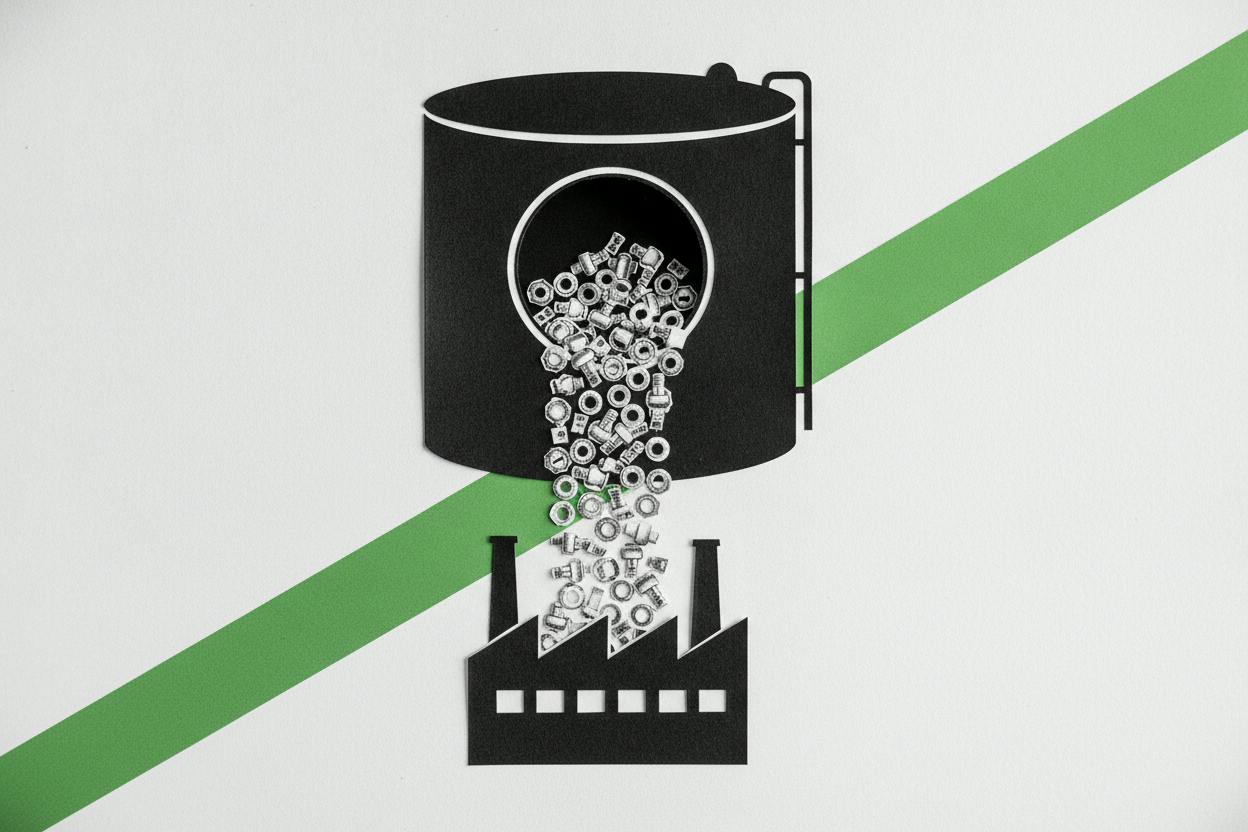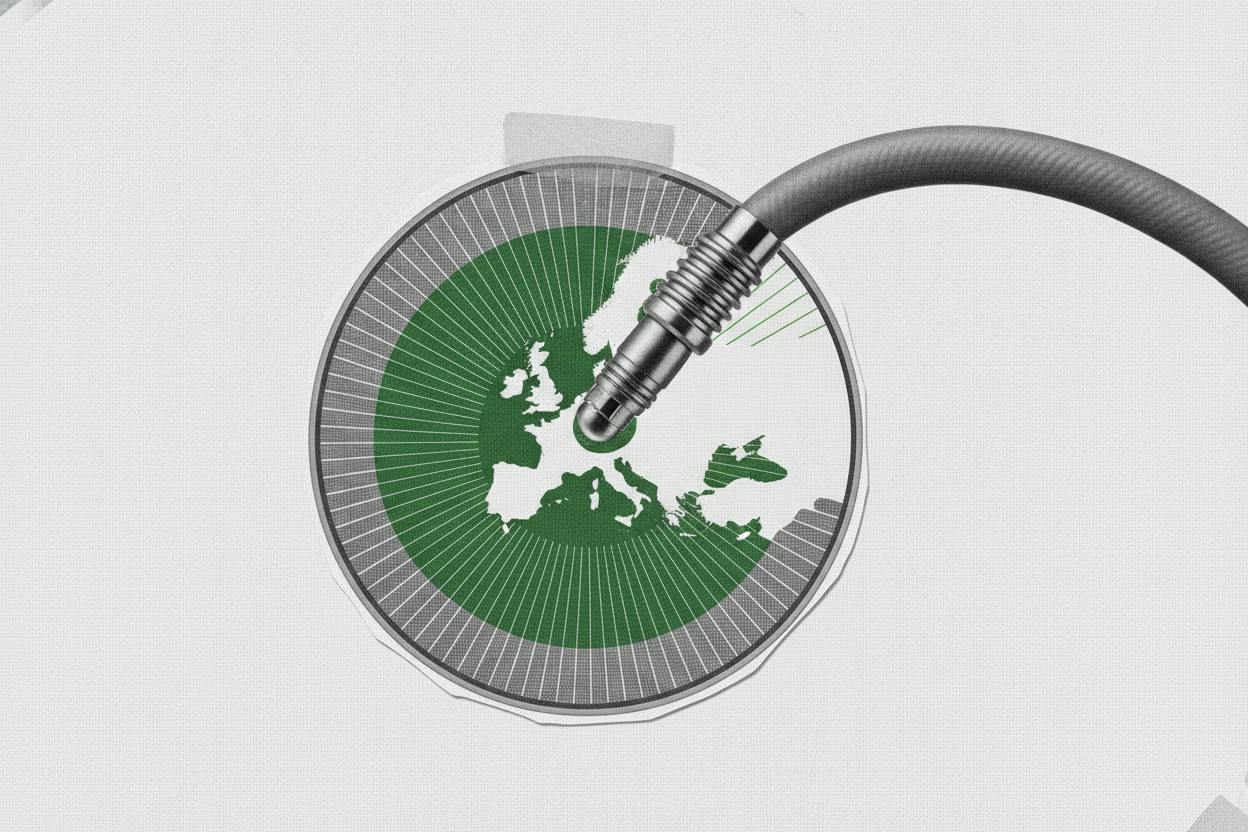
The artificial intelligence boom is rippling through Europe's industrial gas sector, as chipmakers ramp up production and demand more of the ultra-pure gases and chemicals that go into semiconductors. Companies like Syensqo, Linde, and Air Liquide are reporting stronger demand from semiconductor customers, a sign that the AI-driven buildout is reaching beyond the tech giants and into the industrial supply chain.
Why chip fabs need gas giants
Modern semiconductor plants, or fabs, run on more than just silicon. They require a constant supply of ultra-pure nitrogen, oxygen, hydrogen, and specialty chemicals. These gases are used in various stages of chip manufacturing, from creating the silicon wafers to etching circuits and cleaning surfaces. The tighter the manufacturing process, the more demanding the purity specifications become, which is why chipmakers rely on specialist suppliers like Air Liquide and Linde.
This demand is now showing up in earnings. Syensqo, a Belgian specialty-chemicals firm, said semiconductor demand helped its materials unit beat third-quarter expectations. CEO Mike Radossich said the company expects second-half results to benefit from continued strength in electronics. Air Liquide, one of the world's largest industrial gas suppliers, said electronics investment in the first nine months of 2026 nearly doubled all of 2025, a clear sign of accelerating chip-related spending.
Linde, the US-based industrial gas giant with a major European presence, also pointed to semiconductor expansion as a growth driver. The company has been investing in new production capacity to serve chipmakers, particularly in Asia and Europe, where governments are subsidizing new fab construction.
What this means for investors
For everyday investors, the connection between AI and industrial gases may not be obvious, but it's a useful reminder that the AI boom has ripple effects across many industries. While most attention is on chip designers like Nvidia or TSMC, the companies that supply the tools and materials for chip production are also benefiting.
Industrial gas suppliers are often seen as steady, defensive businesses because they operate long-term contracts with customers. But the AI-driven surge in semiconductor demand is adding a growth element to their earnings, which could make them more attractive to investors looking for exposure to the tech cycle without the volatility of pure-play chip stocks.
However, investors should be aware that this growth is tied to the semiconductor cycle, which can be volatile. If chip demand slows or AI investment cools, the impact would likely be felt by these suppliers as well. The companies themselves are also investing heavily in new capacity, which carries execution and financing risks.
Broader market context
The news comes as European stocks edge higher despite some tech weakness, and as AI chip demand lifts Europe's specialty chemical makers more broadly. The trend is part of a wider pattern where AI infrastructure spending is boosting a range of industrial and materials companies, from gas suppliers to chemical firms.
For those tracking the AI trade, it's worth watching how far the demand extends. If chipmakers continue to build new fabs, the need for ultra-pure gases and chemicals will only grow. That could provide a longer tailwind for companies like Air Liquide, Linde, and Syensqo, which are positioning themselves to serve this market.
But as with any investment, it's important to look beyond the headline growth. These companies also face challenges, including energy costs, regulatory pressures, and competition. The semiconductor market itself is cyclical, and a downturn could quickly reverse the current optimism.
What to watch next
Investors will be watching for further earnings updates from these companies, as well as announcements of new fab projects and capacity expansions. The pace of AI investment, particularly from big tech companies, will be a key indicator. If the current trend continues, Europe's industrial gas suppliers could remain in the spotlight for some time.
For now, the message is clear: the AI boom is not just about chips and data centers. It's also about the less glamorous but essential businesses that keep the semiconductor industry running.