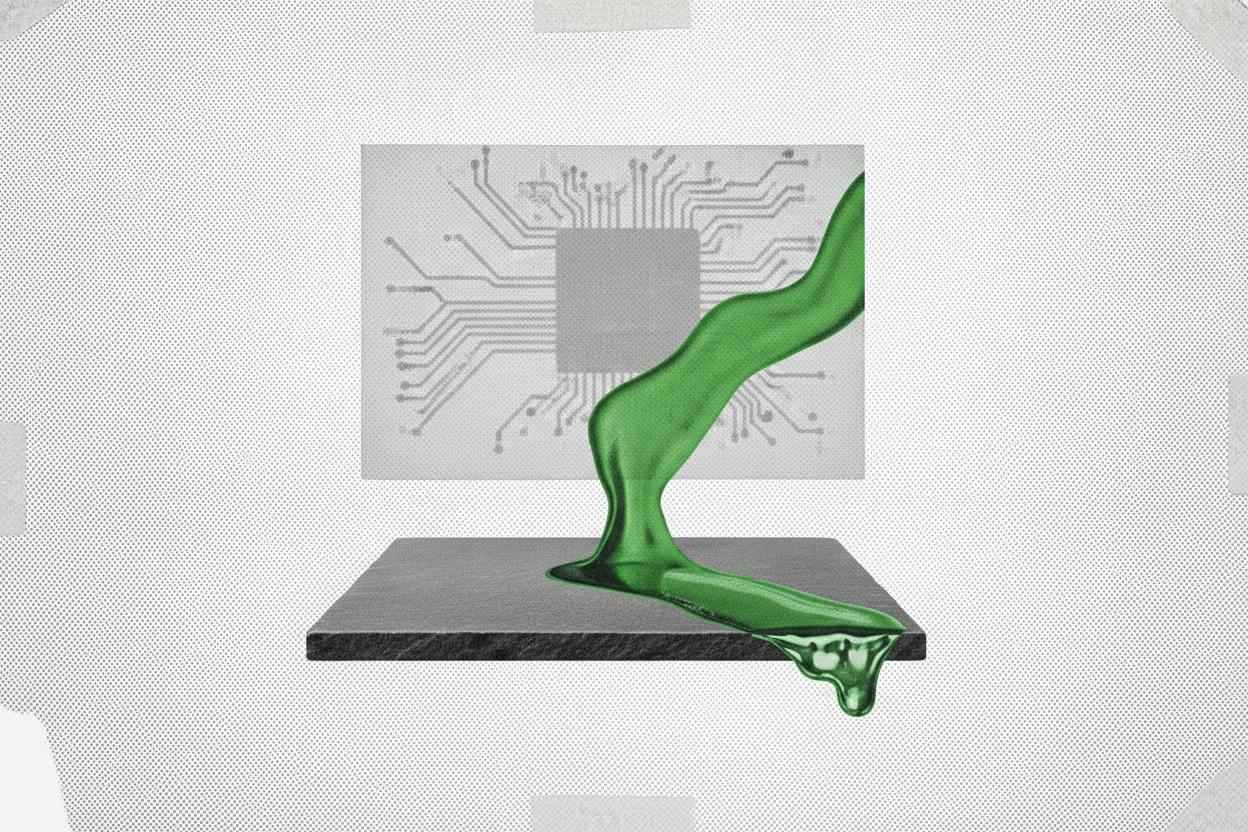
Vinci, a Palo Alto-based startup with just 70 employees, has raised $250 million in new funding, valuing the company at $1.5 billion. The round underscores the growing importance of physics simulation software in the semiconductor industry, where chips are becoming larger and more complex than ever.
The company's software uses artificial intelligence to simulate how a chip design will behave physically—particularly how it will manage heat—before a single prototype is manufactured. According to a Reuters report, Vinci plans to use the fresh capital to expand its focus from thermal chip modeling toward full-system design, meaning it will help engineers simulate entire hardware systems, not just individual chips.
Why physics simulation matters for AI chips
As AI workloads explode, chipmakers are packing more transistors into smaller spaces. That density creates serious physical challenges. Heat is the most obvious one: if a chip runs too hot, performance degrades and the hardware can fail. But there are other constraints too—power delivery, signal integrity, and mechanical stress, to name a few.
Traditionally, chip designers rely on physical prototypes and lengthy testing cycles to catch these issues. But as designs get more complex, that approach becomes slower and more expensive. Physics simulation software aims to shift much of that work into the digital realm, letting engineers test and refine designs virtually before committing to manufacturing.
Vinci's AI-assisted approach is part of a broader trend. Chip stocks have been on a tear recently, driven by demand for AI hardware, and investors are pouring money into startups that promise to make chip design faster and more reliable.
What the funding means for the company
The $250 million round is a significant vote of confidence for a relatively small team. At a $1.5 billion valuation, Vinci is now a unicorn—a private company worth over $1 billion. The funding will likely be used to hire more engineers, expand product development, and build out sales and marketing efforts.
Scaling from thermal modeling to full-system design is a big leap. Thermal simulation focuses on one specific aspect of a chip's behavior. Full-system design simulation would encompass how the chip interacts with memory, power delivery, and other components in a complete hardware system. That's a much more complex problem, but also a much larger market opportunity.
Vinci's move mirrors a broader industry shift. As data center capacity expands to support AI, the demand for efficient, reliable chips grows. Simulation tools that can catch design flaws early are becoming essential for companies racing to bring new products to market.
What it means for investors
For everyday investors, this funding round is a signal about where the semiconductor industry is heading. The fact that a 70-person startup can raise $250 million at a $1.5 billion valuation shows that investors see huge potential in the tools that make chip design more efficient.
It also highlights the growing complexity of AI hardware. As chips become more powerful, the physical constraints—heat, power, and size—become harder to manage. Companies that can solve these problems, either through simulation software or other means, are likely to be in high demand.
For public market investors, the news is a reminder that the AI boom extends beyond the chipmakers themselves. The entire ecosystem—from design software to manufacturing equipment to data center infrastructure—is benefiting. Chip manufacturers are raising capital to expand capacity, and corporate borrowing is surging across the sector.
However, it's important to note that Vinci is still a private company, so most retail investors can't directly invest in it. But the company's success could boost the prospects of publicly traded competitors in the electronic design automation (EDA) space, such as Synopsys, Cadence, and Siemens EDA. These companies also offer simulation and design tools, and they could face new competition from startups like Vinci.
Investors should also watch how the broader chip market evolves. Global economic conditions can affect demand for chips, and any slowdown could temper the enthusiasm for AI-related investments. But for now, the trend is clear: AI is driving unprecedented complexity in chip design, and the tools to manage that complexity are becoming more valuable.
As Vinci expands its software to full-system design, it will be competing with established players that have decades of experience and deep relationships with chipmakers. But the startup's AI-first approach could give it an edge, especially if it can deliver faster and more accurate simulations than traditional methods.
For now, the funding round is a strong signal that investors believe in the future of physics simulation for chips. Whether Vinci can live up to that promise remains to be seen, but the company is now well-positioned to try.