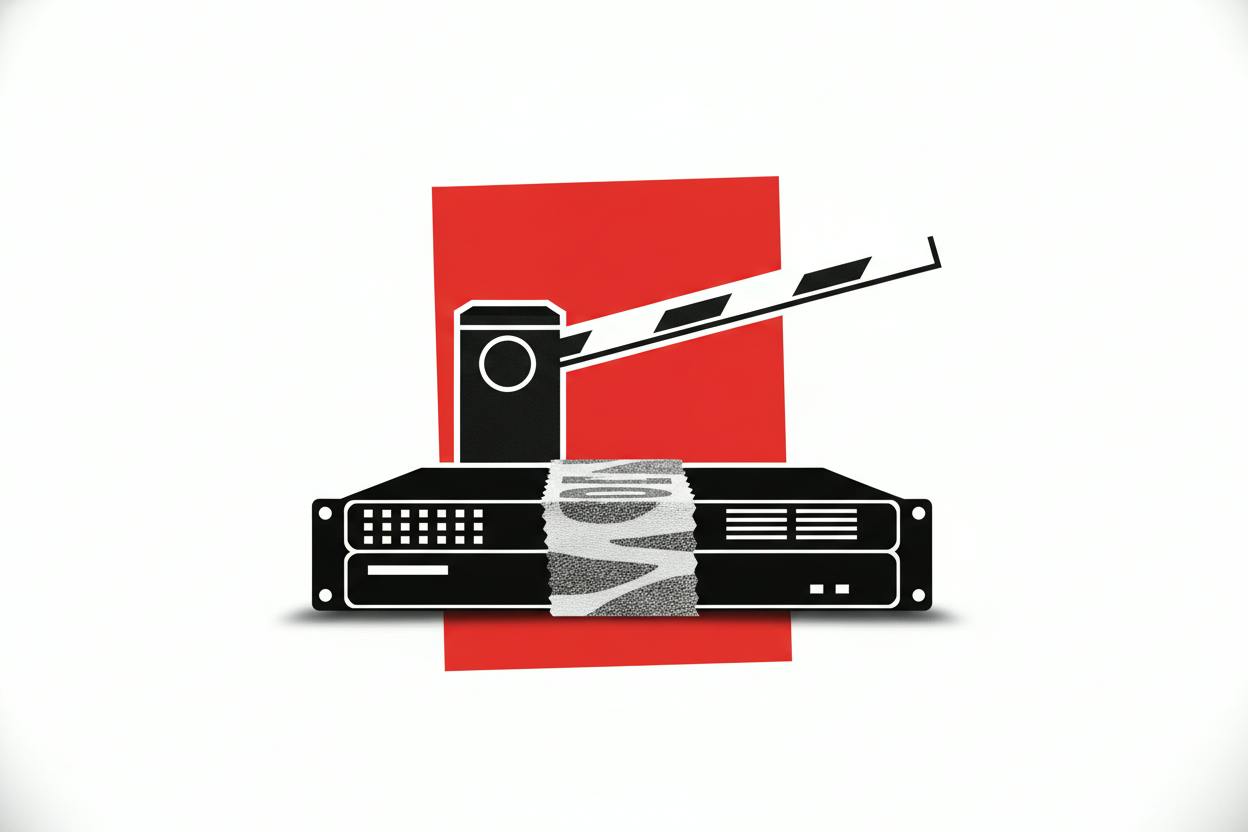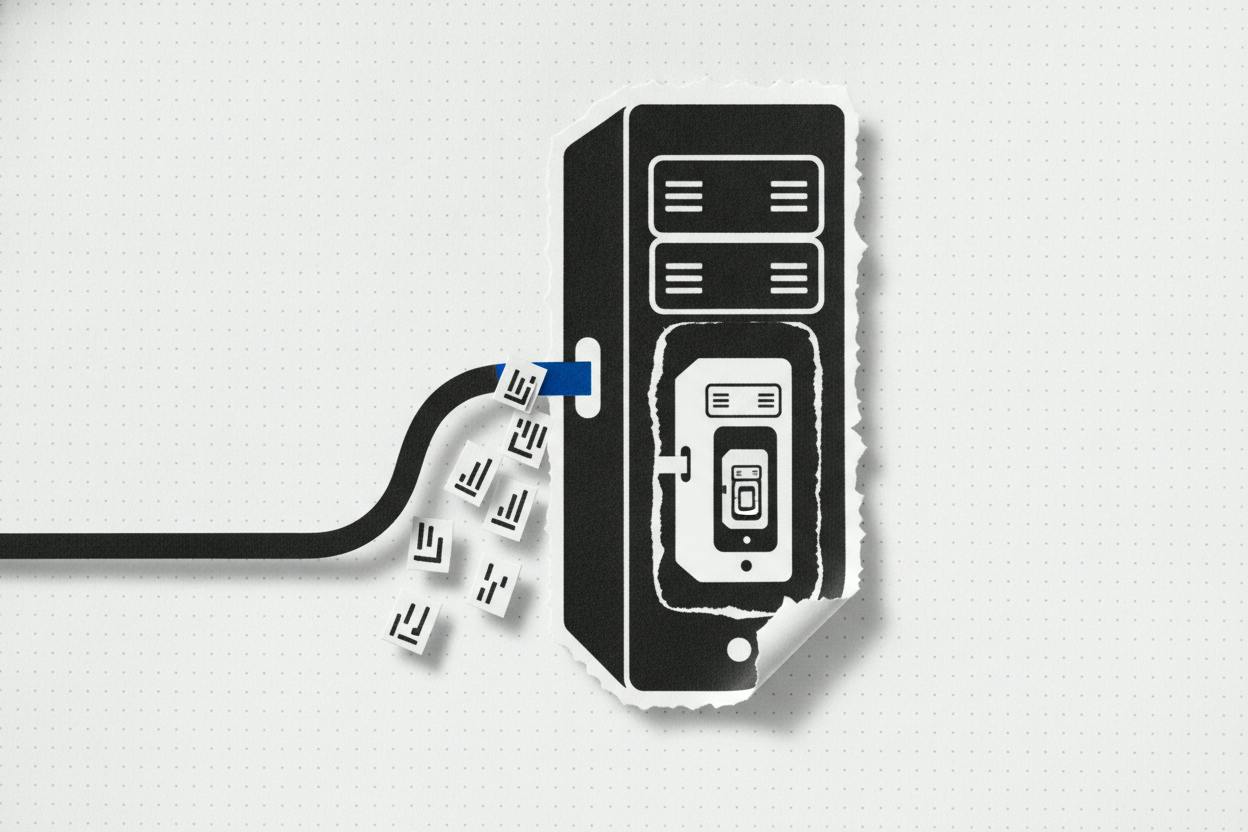
Chinese tech giants Alibaba and Meituan are quietly turning to a clever workaround to keep advancing their artificial intelligence efforts despite tightening US chip export controls. According to a Reuters report on Tuesday, researchers at both companies have been using outputs from OpenAI's GPT-4 and GPT-4o models to train smaller, homegrown AI systems.
The technique, known as “model distillation,” involves using a top-tier model’s answers as training data. A smaller model learns to mimic the larger one’s behavior, picking up many of its skills without needing the same massive, chip-heavy training run. It’s a bit like a student learning from a master’s solved problems rather than starting from scratch.
Why this matters now
The timing is no accident. The US has been steadily tightening restrictions on the export of advanced semiconductors to China, including chips from Nvidia that are widely used for AI training. These restrictions make it harder for Chinese companies to scale up their AI models the traditional way—by throwing more powerful processors at the problem.
Model distillation offers a path that relies less on raw computing power and more on generating high-quality examples. As long as researchers can access a powerful model like GPT-4 (through an API, for instance), they can create a dataset of outputs that a smaller model can learn from. This approach can dramatically cut the computational cost of training, making it an attractive option for companies facing hardware constraints.
Alibaba and Meituan are not alone. Across the industry, there is a growing shift toward cheaper, open-weight AI models as budgets balloon and hardware becomes harder to obtain. Distillation fits neatly into that trend, allowing companies to build capable models without the enormous expense of training from scratch.
What it means for investors
For everyday investors, this story is less about the specific companies and more about the broader dynamics shaping the AI sector. It highlights how geopolitical tensions are forcing innovation in unexpected places. When one door closes—like access to cutting-edge chips—companies find another, often by being more efficient with what they have.
This could have implications for the competitive landscape. If Chinese firms can train competitive models using distillation, they may not need the most advanced chips to stay in the game. That could soften the impact of export controls on their AI ambitions, and it might also affect the demand outlook for high-end chips from companies like Nvidia.
At the same time, the reliance on OpenAI’s models raises questions about intellectual property and long-term dependence. Using a competitor’s model to train your own is a gray area, and it’s unclear how OpenAI or regulators might respond. For now, it appears to be a pragmatic stopgap.
Investors should also keep an eye on how this plays out for Alibaba specifically. The company has been investing heavily in its own AI models, including the Qwen series. Earlier this year, Alibaba’s Qwen4-Max model was touted for cutting costs and adding safety checks. Distillation could be another tool in Alibaba’s kit to improve efficiency and stay competitive.
The bigger picture
The US chip restrictions have been a recurring theme for Chinese tech stocks. In recent months, fears over Nvidia chip curbs have hit Alibaba and the Hang Seng index, and Asian ADRs have slid on similar concerns. The ability to train models with less compute could ease some of those worries, at least for the AI training side of the business.
However, distillation is not a silver bullet. It works best for tasks where the larger model is already strong, and it may not replicate the full breadth of capabilities. Also, the need for high-quality training data remains, and that can be a bottleneck in itself.
For investors, the key takeaway is that the AI race is not just about who has the most chips. Efficiency, clever techniques, and access to good data are becoming just as important. As companies adapt to a world with tighter hardware constraints, we may see more innovation in how models are trained, not just in the models themselves.
That could be good news for a wide range of companies, from startups to established tech giants, that are looking to build AI without breaking the bank. It also suggests that the impact of export controls may be more nuanced than a simple slowdown in Chinese AI progress.
As always, investors should watch how these dynamics evolve. The AI sector is moving fast, and today’s workaround could become tomorrow’s standard practice.