Chinese tech giant Alibaba has launched Qwen4-Max, its newest flagship artificial intelligence model, in a move that underscores the company's push to stay competitive in the rapidly evolving AI landscape. According to the company, the new model runs more cost-efficiently than its predecessor released in August, while also incorporating stricter safeguards designed to limit misuse.
The announcement comes as AI developers worldwide face mounting pressure to balance performance with responsible deployment. For Alibaba, the dual focus on efficiency and safety is a strategic bet that could appeal to both enterprise customers and regulators.
What is Qwen4-Max?
Qwen is Alibaba's family of large language models, similar in concept to OpenAI's GPT series or Google's Gemini. These models power a range of applications, from chatbots to coding assistants, and are used by businesses across industries. Qwen4-Max is the latest and most capable iteration, designed to handle complex tasks with greater accuracy and speed.
The 'Max' designation typically indicates the top-tier version of the model, offering the highest performance but also requiring more computational resources. Alibaba's claim that Qwen4-Max is more cost-efficient than the August release suggests improvements in the underlying architecture or training methods, which could translate into lower prices for customers who use the model through Alibaba's cloud services.
Cost efficiency is a critical factor in the AI industry, where running large models can be expensive. For businesses, cheaper inference costs mean they can deploy AI more broadly without breaking their budgets. This is particularly relevant as companies look to integrate AI into everyday operations, from customer service to data analysis.
Safety and regulation in focus
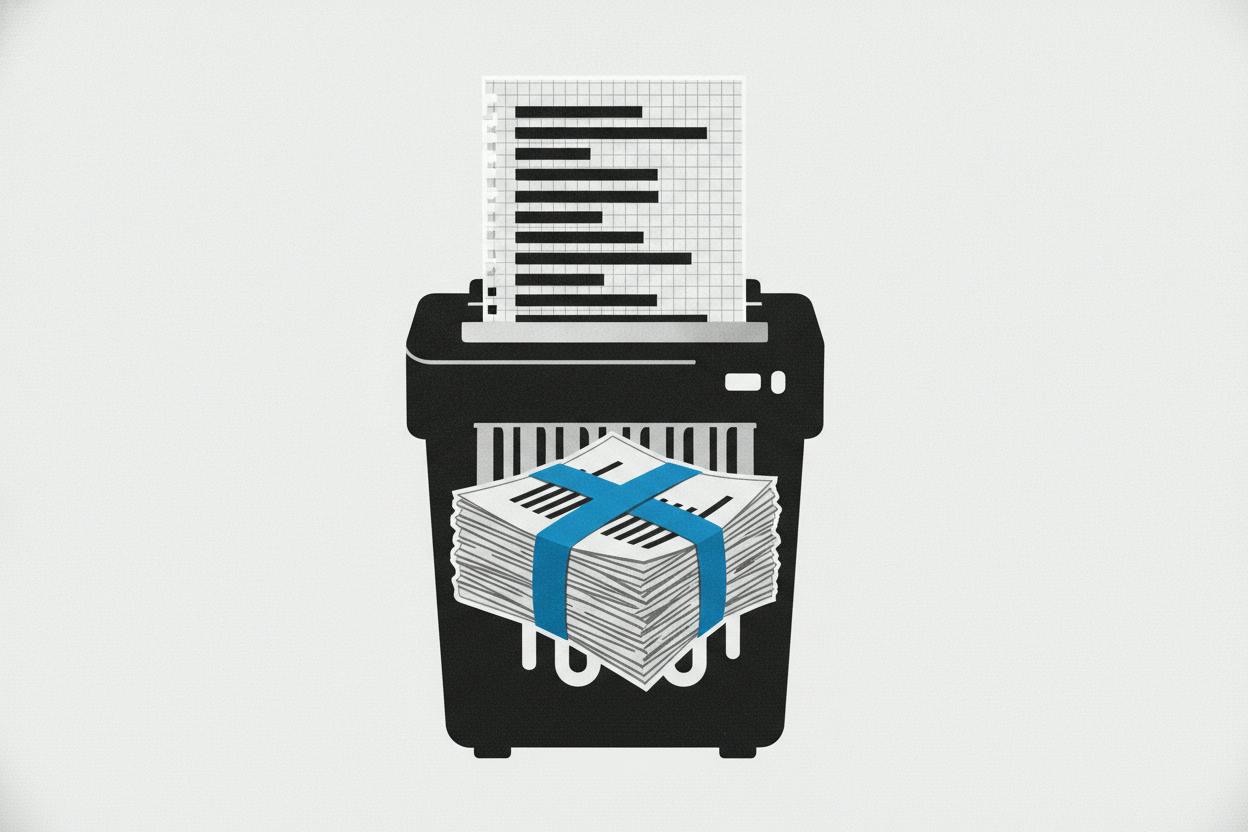
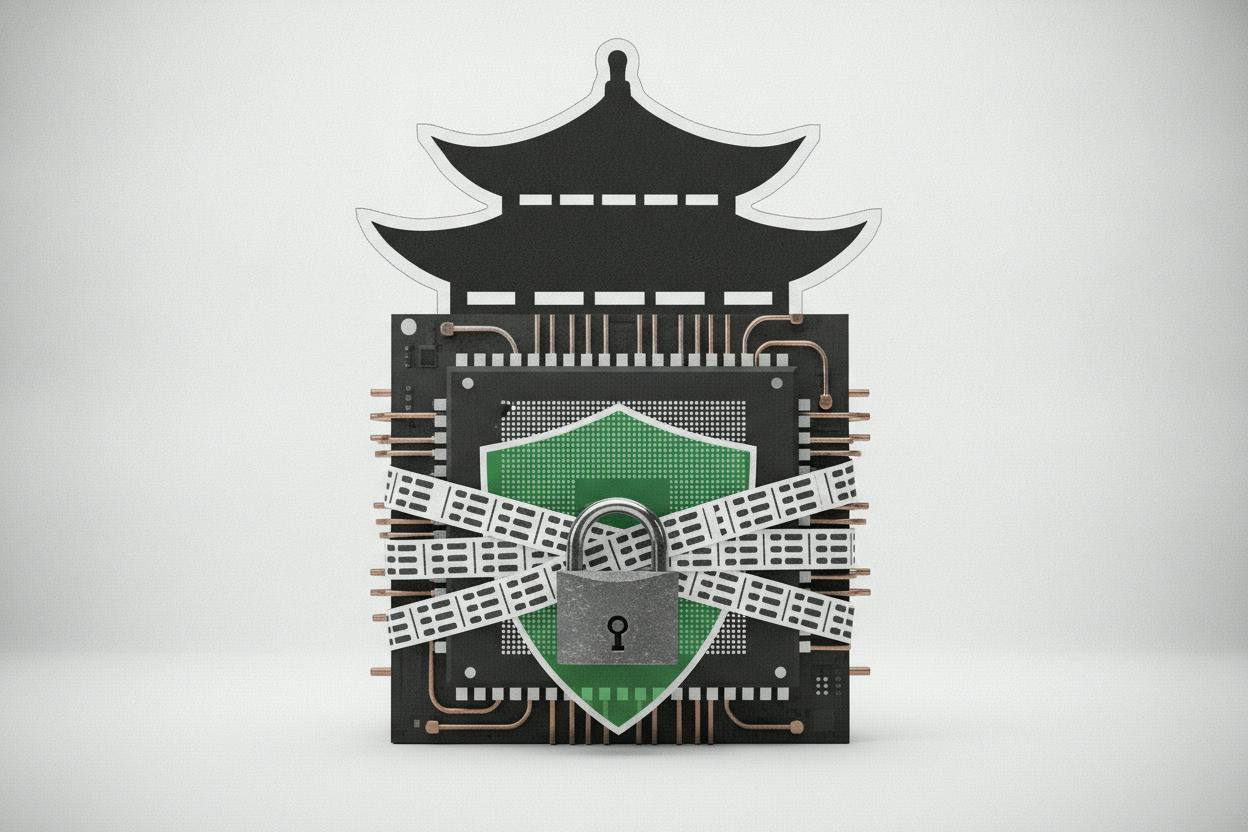
Alongside efficiency, Alibaba emphasized that Qwen4-Max includes tightened safeguards against misuse. This is a notable shift, as AI safety has become a central concern for governments and the public alike. In China, regulators have implemented strict rules governing AI-generated content, requiring companies to ensure their models do not produce harmful or politically sensitive material.
By highlighting safety, Alibaba is likely aiming to reassure both regulators and enterprise clients that its technology can be trusted. This is especially important as AI adoption grows in sectors like finance, healthcare, and education, where errors or misuse could have serious consequences.
The move also reflects a broader industry trend. Many leading AI developers, including OpenAI and Google, have published detailed safety frameworks and have committed to rigorous testing before releasing new models. Alibaba's emphasis on safety aligns with these global efforts, even as the company operates within China's unique regulatory environment.
What it means for investors
For investors, Alibaba's launch of Qwen4-Max is a reminder of the intense competition in the AI space, both in China and globally. Alibaba is not alone in this race; rivals like Baidu, Tencent, and a host of startups are all developing their own models. The ability to offer a model that is both powerful and cost-effective could be a key differentiator in winning cloud customers.
Alibaba's cloud division is a significant part of its business, and AI is seen as a major growth driver. If Qwen4-Max can attract more enterprise clients, it could boost revenue and margins over time. However, the AI market is still nascent, and it remains to be seen how quickly adoption will translate into profits.
Investors should also consider the broader context. The AI boom has fueled massive investments in data centers and computing infrastructure, as highlighted by recent reports on Digital Realty's $10 billion Japan data center investment and Nscale's $31 billion buildout. These investments are necessary to support the growing demand for AI, but they also carry risks, including potential oversupply and rising costs.
Moreover, the AI supply chain is facing challenges, from bottlenecks in niche metals to US export controls on chips. These factors could affect the pace of AI development and the profitability of companies like Alibaba that rely on advanced semiconductors.
Looking ahead
Alibaba's Qwen4-Max is a significant step, but the real test will be how it performs in real-world applications and whether it can win over customers. The company has not disclosed specific pricing or performance benchmarks, but those details are likely to emerge in the coming weeks as the model becomes more widely available.
For everyday investors, the key takeaway is that AI remains a high-stakes, fast-moving sector. Companies that can innovate while managing costs and addressing safety concerns are likely to be better positioned for long-term success. However, as with any emerging technology, there are no guarantees, and investors should be prepared for volatility.
As the AI landscape continues to evolve, Alibaba's latest move is a clear signal that the race is far from over. Whether Qwen4-Max becomes a market leader or just another contender, its launch underscores the importance of efficiency and responsibility in shaping the future of AI.