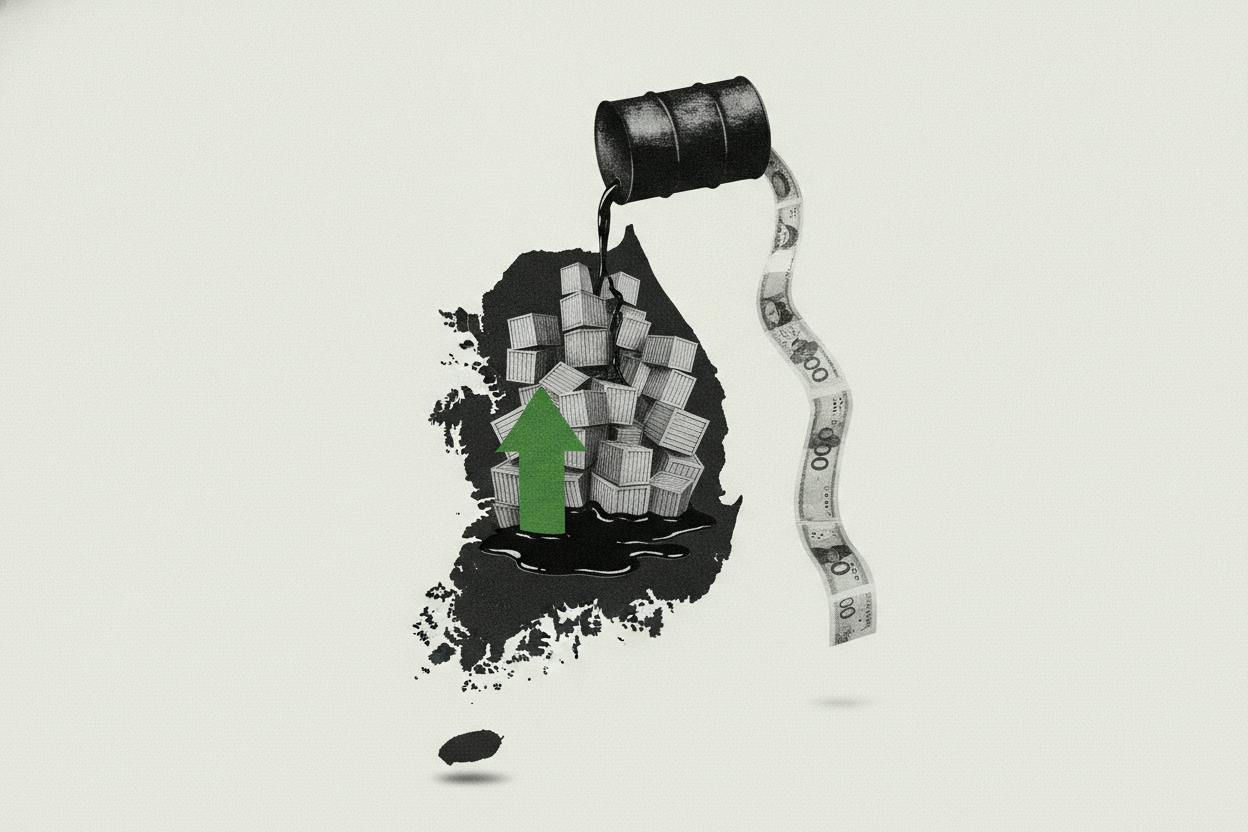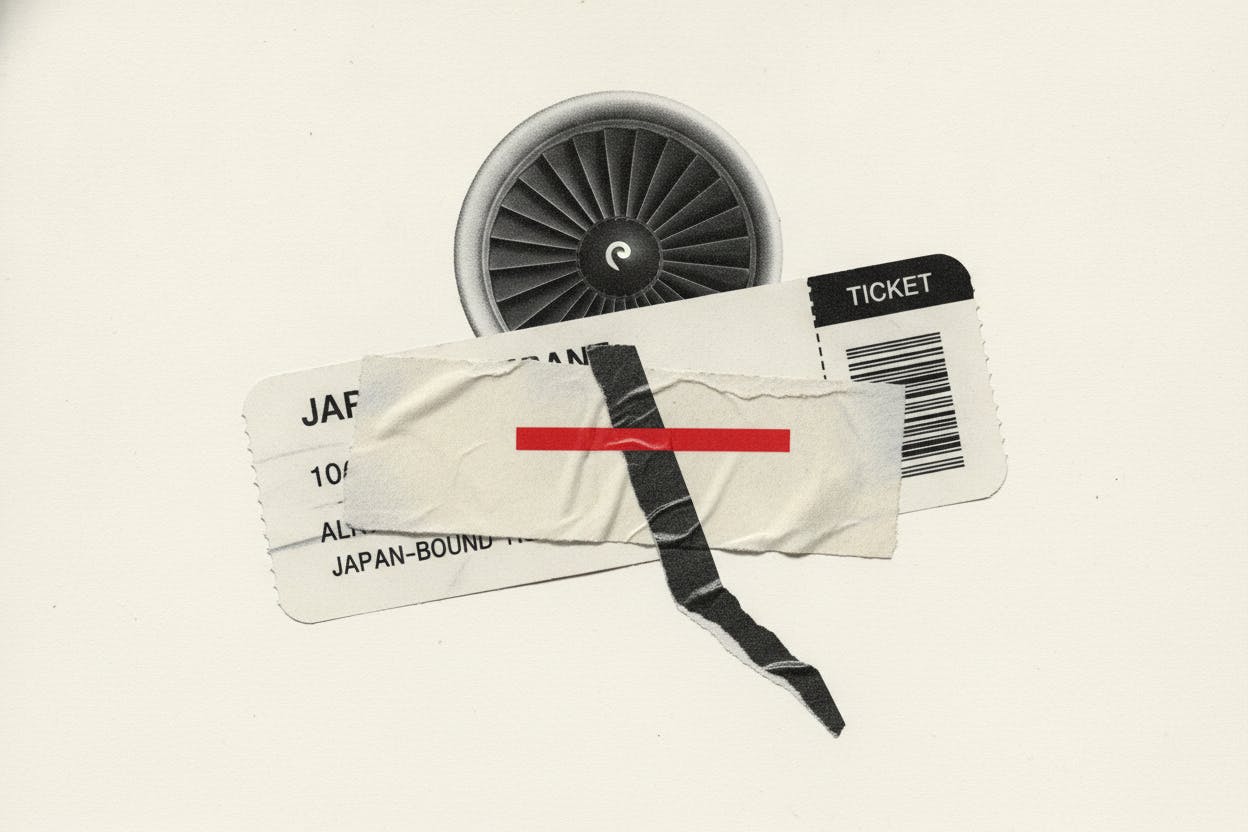
Japan's two largest airlines, All Nippon Airways (ANA) and Japan Airlines (JAL), are set to raise international fuel surcharges to record levels for July and August, according to a report from Nikkei Asia. The move comes as higher jet fuel costs and a persistently weak yen continue to squeeze the aviation sector.
The surcharges, which are added on top of base fares, will see Europe-bound tickets carry an extra 65,000 yen (about $400), while flights to Hawaii will add roughly 40,400 yen. These figures are sharply higher than spring levels and represent the highest such fees ever imposed by either carrier.
How the Surcharges Are Calculated
The key detail for travelers is how these fees are set. ANA and JAL use a backward-looking formula based on a reference period—in this case, April and May—that tracks two main inputs: the price of kerosene in Singapore (a common benchmark for jet fuel across Asia) and the yen's exchange rate against the U.S. dollar.
During that window, Singapore kerosene prices rose, and the yen weakened further, hitting a 40-year low against the dollar. Since jet fuel is priced in dollars on global markets, a weaker yen means Japanese airlines pay more in yen terms for the same amount of fuel. The formula then translates those higher costs into a surcharge that appears as a separate line item on tickets.
Because the pricing is mechanical and backward-looking, there is a built-in lag. Even if fuel prices ease or the yen strengthens after the reference period ends, the surcharge for July and August is already locked in. That means travelers booking peak-season flights could see elevated costs even if headline oil prices fall in the meantime.
What It Means for Travelers and Investors
For anyone booking international flights out of Japan this summer, the surcharge is a significant and unavoidable add-on. Unlike base fares, which fluctuate daily with demand and promotions, the fuel surcharge is a preset fee that can meaningfully swing the final ticket price. A 65,000-yen surcharge on a Europe ticket, for example, could represent a substantial portion of the total cost.
ANA has said that government subsidies help soften the blow, but they do not eliminate the increase. The subsidies, which are part of broader Japanese efforts to cap fuel costs for consumers, provide some relief but still leave travelers paying more than in previous months.
For investors, the surcharge hike is a reminder of how currency and commodity markets directly impact airline profitability. The yen's weakness has been a persistent headwind for Japanese companies that import raw materials, including jet fuel. The yen's plunge to a 1986 low earlier this year has made imported fuel more expensive, even as global oil prices have been relatively stable.
At the same time, Japan's broader economic picture is mixed. While AI chip demand has boosted exports and supported an upgraded economic view, the weak yen complicates the Bank of Japan's rate path. The central bank has been cautious about raising interest rates, partly because higher rates could strengthen the yen and hurt exporters, but a weak yen also fuels inflation by raising import costs.
Broader Market Context
The surcharge increase comes as Japan's factory sector shows signs of strain. Factory output dropped 1.7% in recent months, and the yen has neared 162 against the dollar, complicating the BOJ's policy decisions. Meanwhile, Japanese retail investors have been holding record levels of cash, suggesting caution about market volatility.
For airlines, the ability to pass through fuel costs via surcharges is a key buffer against margin compression. Unlike some other industries that must absorb higher input costs, airlines can adjust these fees periodically. However, the lag in the formula means that if fuel prices or the yen move favorably after the reference period, the surcharge may remain elevated longer than necessary, potentially dampening demand.
Travelers booking flights for July and August should factor in these surcharges when comparing prices. The all-in cost—base fare plus surcharge—can be significantly higher than the advertised base fare alone. And because the surcharge is set mechanically, it may not reflect current market conditions, making it harder to budget for peak-season travel.
For investors watching the airline sector, the key metrics to monitor are jet fuel prices and the yen's exchange rate. If the yen strengthens or fuel costs decline in the coming months, surcharges could ease for the autumn season. But for now, the April-May snapshot has locked in record fees for summer travelers.