Australian businesses pulled back on investment in the June quarter, with private capital spending falling 3.6% from the previous three months, according to the Australian Bureau of Statistics. The decline was led by a sharp drop in spending on equipment, plant, and machinery, which fell 8.9% to AU$25.1 million.
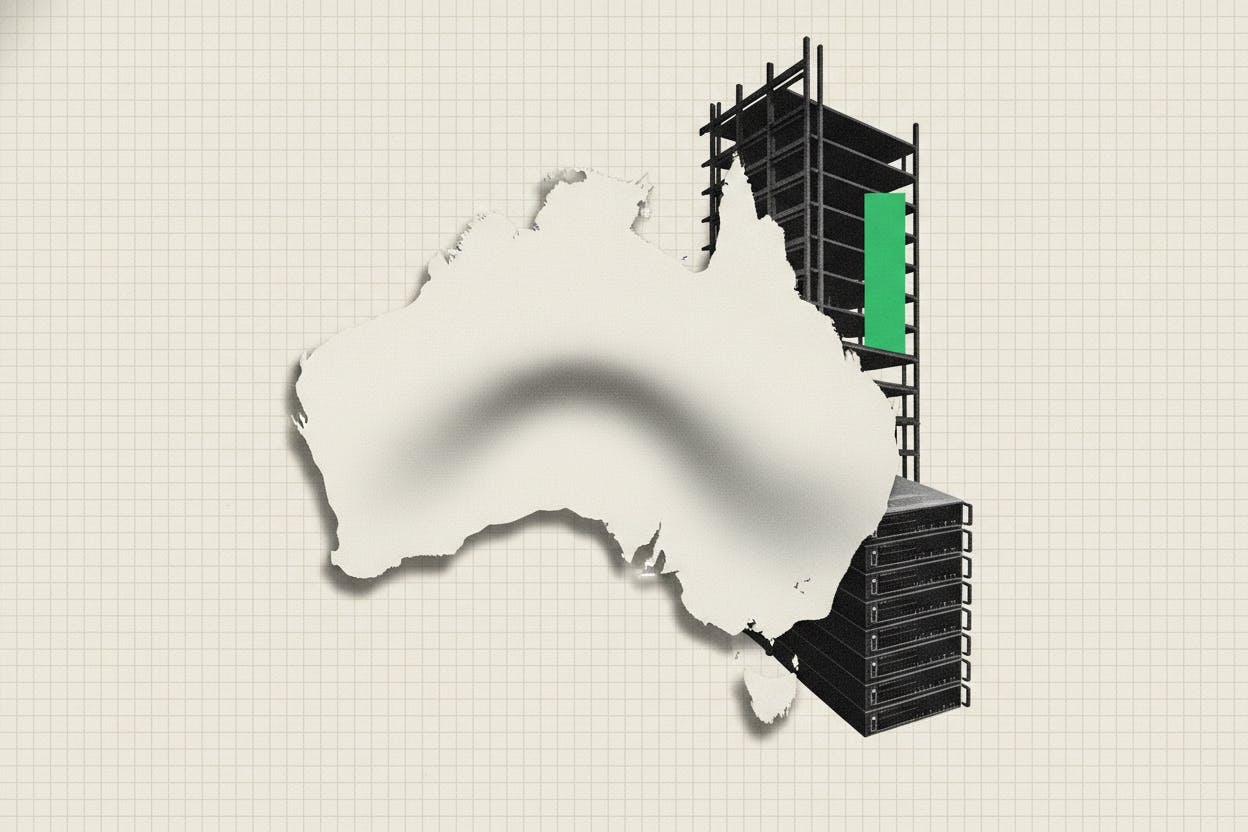
The pullback wasn't a broad halt to big projects, but rather a shift in what companies were buying. The ABS attributed the equipment decline to a one-off spike in information media and telecom gear last quarter, which had been boosted by data-center equipment like servers. That surge didn't repeat, dragging down the overall figure.
At the same time, spending on buildings and structures rose, supported by investment in data centers and renewable energy projects. This divergence suggests that while some sectors are scaling back on hardware, others are still committing to long-term infrastructure.
What's behind the numbers?
Capital expenditure, or capex, is a key measure of business confidence and future growth. When companies invest in new equipment, buildings, or technology, they're betting on stronger demand ahead. A decline can signal caution, but the details matter.
In this case, the drop was concentrated in non-mining equipment, which includes everything from factory machinery to office computers. Mining investment, a major driver of Australia's economy, was less affected. The rise in buildings spending, particularly for data centers and renewables, points to structural trends that are likely to continue.
Data centers are being built to support the growing demand for cloud computing and artificial intelligence, a theme that has been driving investment globally. Nvidia's recent forecast suggested Big Tech's AI spending remains strong, and Australia is seeing some of that flow into construction. Renewables, too, are attracting capital as the country transitions its energy mix.
What it means for investors
For everyday investors, this data offers a window into the health of the Australian economy. Business investment is a component of gross domestic product (GDP), so a decline can weigh on economic growth. However, a single quarter's dip isn't necessarily a red flag, especially when it follows an unusually strong period.
The equipment drop was largely a normalization after a spike, not a collapse in demand. The rise in buildings spending suggests that companies are still willing to commit to projects with longer time horizons. That's a positive sign for sectors like construction and renewable energy.
Investors should watch whether this trend continues. If equipment spending keeps falling, it could signal that businesses are becoming more cautious about the outlook. But if it stabilizes, the June quarter may just be a blip.
The data also ties into broader global themes. AI spending plans have ballooned, and data-center construction is a visible part of that. Australia's experience mirrors what's happening in other markets, where tech infrastructure is a bright spot even as other investment lags.
Looking ahead
The ABS will release more detailed data in the coming months, and investors will be parsing it for clues about the trajectory of business confidence. The Reserve Bank of Australia, which has been keeping interest rates elevated to curb inflation, will also be watching. If investment continues to weaken, it could influence the central bank's thinking on rate cuts.
For now, the picture is mixed: equipment spending is down, but buildings are up. That's not a uniform retreat, but it does suggest that businesses are being more selective about where they put their money. For investors, that means paying attention to which sectors are winning and losing in the capital spending race.
As always, it's important to remember that this is just one data point. The broader trend in business investment will be clearer after a few more quarters. But for now, the June quarter shows a step back, not a stop.