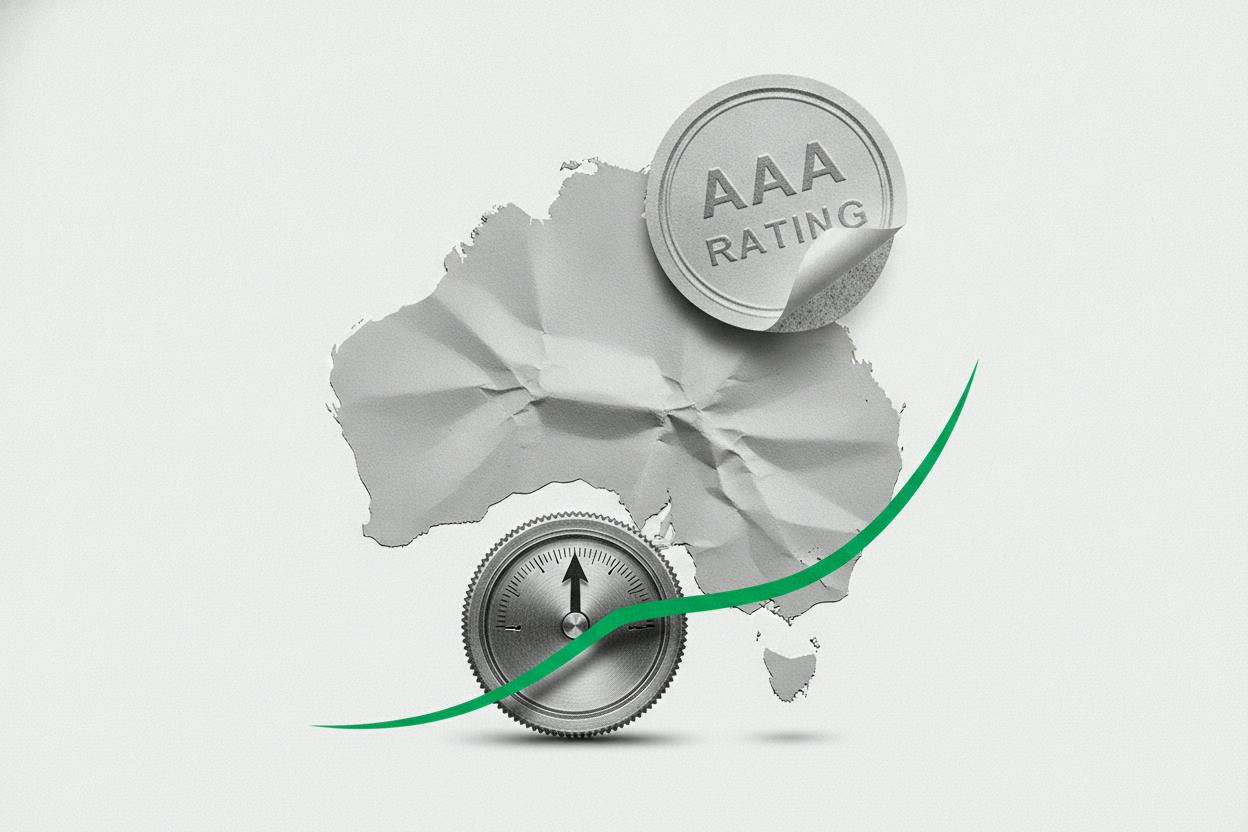
Bank of America Securities has flagged that Australia's inflation in the second quarter likely ran below the Reserve Bank of Australia's own forecasts, a development that could keep the central bank on hold at its next policy meeting. The softer-than-expected price growth was partly driven by a 7.7% drop in auto fuel costs in June, which helped cool overall consumer price pressures.
What the data shows
The RBA had projected inflation to remain sticky in the first half of the year, but the latest figures suggest price pressures are easing faster than anticipated. The drop in auto fuel prices, a key component of the consumer price index, reflects lower global oil costs and reduced demand. This is a significant factor because fuel costs feed into many other goods and services, from transport to retail prices.
For context, the RBA has kept its cash rate at 4.35% since November last year, after a series of hikes that took it from a record low of 0.1% to the highest level in over a decade. The central bank has been cautious about cutting rates too early, fearing that inflation might not be fully tamed. However, if inflation continues to undershoot its forecasts, the case for a rate cut later this year could strengthen.
What it means for investors
For everyday investors, a pause in rate hikes—or even a potential cut—could be a positive signal for both the stock market and bond market. Lower interest rates tend to boost equity valuations, especially for growth stocks and sectors like real estate and consumer discretionary. They also reduce borrowing costs for companies, which can improve profit margins.
However, the RBA's decision will also depend on other data, such as employment and wage growth. If the labor market remains tight, the central bank may still hold off on easing. Investors should watch for the official second-quarter CPI release due later this month, as well as the RBA's August meeting.
The softer inflation reading also has implications for the Australian dollar. A more dovish RBA could weigh on the currency, as lower rates make Australian assets less attractive to foreign investors. This could benefit exporters but increase import costs. For context, the Aussie dollar has recently gained on cooling oil prices, but a rate pause might reverse some of those gains.
Broader economic backdrop
The drop in auto fuel prices is part of a broader global trend. Brent crude has fallen from highs above $90 a barrel earlier this year, partly due to concerns about slowing demand from China and other major economies. This has helped ease inflation pressures in many countries, including Australia. For instance, lower oil prices have given Indian bonds a reprieve as well.
In Australia, consumer spending has also been under pressure. Retailers like Myer have reported weaker sales as shoppers pull back on discretionary purchases. Myer shares tumbled 12% recently on the back of such trends, highlighting the broader economic slowdown.
Meanwhile, other central banks in the region are taking different approaches. Singapore surprised markets with another tightening move despite cooling inflation, showing that policy divergence remains a key theme. The RBA, however, seems more inclined to wait and see.
What to watch next
Investors should keep an eye on the official second-quarter CPI data, due to be released in late July. If it confirms the softer trend, the RBA could signal a more dovish stance at its August meeting. The central bank's updated economic forecasts will also be crucial.
For now, the message from BofA is clear: the RBA is likely to stay on hold, and the odds of a rate cut later this year are rising. That could be good news for borrowers and equity markets, but it also reflects a slowing economy that may weigh on corporate earnings.