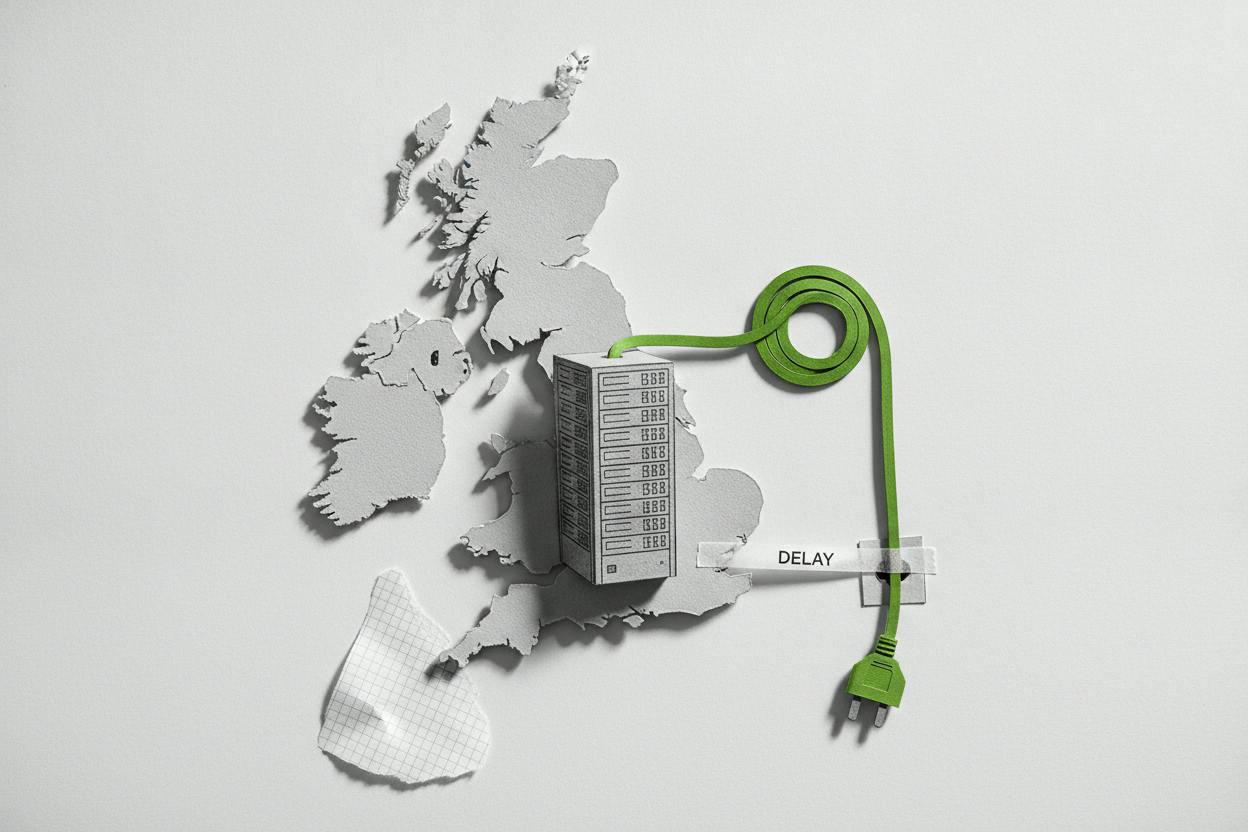
Bending Spoons, the software company behind popular apps like Splice and Filmic, delivered a strong third quarter and raised its full-year revenue outlook, while also confirming its blockbuster acquisition of Intuit's email-marketing platform Mailchimp. The $3.68 billion deal, announced alongside the earnings, will be partly funded by a $1.3 billion share sale, a move that will dilute existing shareholders even as the company's growth accelerates.
Quarterly results beat expectations
For the quarter, Bending Spoons reported adjusted earnings of $0.42 per diluted share, up from $0.21 a year earlier and comfortably above the $0.32 that analysts tracked by FactSet had expected. Revenue jumped to $780.2 million from $346.6 million in the same period last year, also beating forecasts. The company's momentum appears to be carrying into the final months of the year: management guided for fourth-quarter revenue of $984 million to $1.0 billion, well ahead of the $854.2 million consensus.
For the full year, Bending Spoons raised its revenue outlook to $3.07 billion to $3.09 billion, up from a previous range of $2.78 billion to $2.82 billion. That new guidance tops analyst expectations and gives the company a stronger financial base as it prepares to integrate Mailchimp, a well-known platform used by millions of small businesses to send marketing emails and automate campaigns.
Funding the Mailchimp deal
To help pay for Mailchimp, Bending Spoons plans to place 32.5 million new shares with institutional investors, a move expected to raise $1.3 billion in gross proceeds. The placement was oversubscribed, meaning demand exceeded the shares on offer, but it still increases the total number of shares outstanding and expands the stock's free float—the shares available for trading in the open market.
The acquisition itself has drawn attention because of its price. Intuit, which bought Mailchimp in 2021 for $12 billion, is selling it for a fraction of that amount. The deal has been described as a steep discount to what Intuit originally paid, reflecting the challenges Mailchimp has faced in a competitive market. Intuit's stock slid 13% after the company issued a weak second-quarter forecast and confirmed the sale, as investors weighed the loss of a business that had been expected to drive growth.
What it means for investors
For Bending Spoons shareholders, the share sale changes how the market will judge the company's progress. Issuing new shares means future profits will be spread across a larger base, so headline revenue growth will matter less than growth per share after accounting for dilution. Even when a placement is oversubscribed, large blocks of new shares often come with short-term hedging or repositioning by institutional buyers, which can dampen the initial excitement from a strong earnings beat and make the stock more sensitive to upcoming guidance updates.
The bigger question is whether Mailchimp can generate enough cash and cost savings to offset the dilution. If the acquisition delivers the synergies Bending Spoons expects, the per-share earnings path could strengthen over time. But if integration stumbles or Mailchimp's growth continues to lag, the added shares could weigh on returns.
Broader context
Bending Spoons' upbeat outlook stands in contrast to some other companies that have recently trimmed forecasts. Retailers like Ross Stores and Gap have flagged soft holiday demand, while Walmart raised its outlook but warned about rising diesel costs. In the software space, Siemens has seen analysts lift forecasts as software profits take center stage, and PDD beat profit forecasts by cutting marketing spend. Bending Spoons' results suggest that demand for its app suite remains robust, even as the broader economy shows mixed signals.
For everyday investors, the key takeaway is that Bending Spoons is growing quickly, but the Mailchimp deal and the associated share issuance introduce new risks. The company's ability to integrate a large, struggling acquisition while managing dilution will be central to whether the stock rewards shareholders over the long term. Watch for updates on Mailchimp's revenue trends and any signs of cost synergies in the coming quarters.