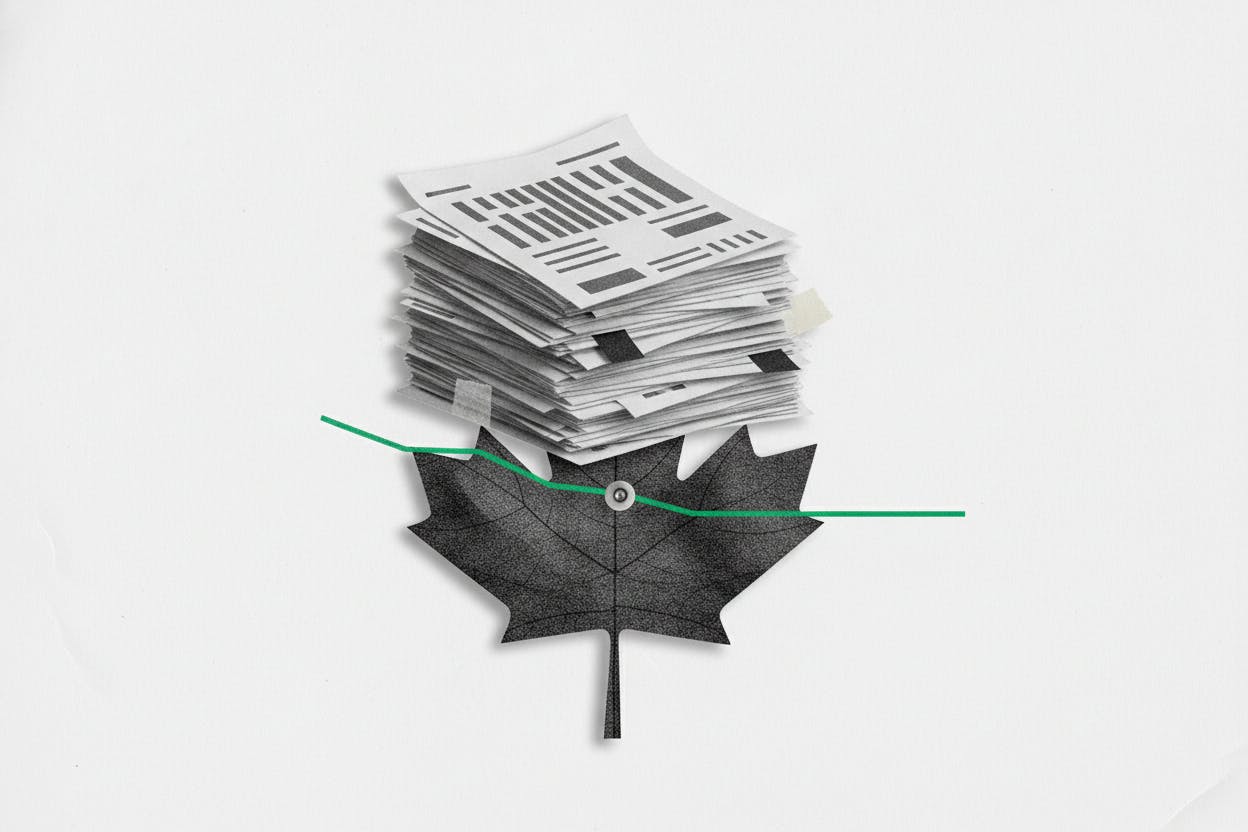
Canada's inflation report for June is expected to show little change from the previous month, with Scotiabank forecasting consumer prices to remain at 3.2% year-on-year when Statistics Canada releases the data on Monday. The headline figure would mark a continuation of the slow progress the Bank of Canada has made in bringing inflation back to its 2% target.
Scotiabank, one of Canada's largest banks, notes that June typically sees seasonal price increases in certain categories. However, those upward pressures are expected to be offset by declines in gasoline prices and lower travel costs, leaving the overall inflation rate flat compared to May.
Shelter Costs Remain Sticky
The main area of concern for policymakers is shelter inflation. Rents and other housing-related costs have been persistently high, driven by strong demand for rental properties and elevated mortgage interest costs. Scotiabank expects this pressure to continue even if other categories soften, making it a key factor in the Bank of Canada's rate decisions.
Shelter costs are a significant component of the consumer price index (CPI), and their stubbornness has been a recurring theme in recent inflation reports. This is why the Bank of Canada and other central banks often look at "core" inflation measures, which strip out volatile items like food and energy, to get a clearer picture of underlying price trends.
What It Means for the Bank of Canada
A steady inflation print does not necessarily mean the Bank of Canada is ready to ease its monetary policy. The central bank has held its key interest rate at 4.75% since June, after cutting from 5% earlier in the year. Policymakers have emphasized that they need to see sustained evidence that inflation is moving sustainably toward 2% before considering further rate cuts.
If June's CPI comes in as expected, it would reinforce the view that inflation is stuck above target, potentially delaying any additional rate cuts. This is particularly relevant given the recent oil rally and cooler US inflation, which have pushed the Canadian dollar to a one-month high. A stronger loonie could help dampen import prices, but it also complicates the export outlook for Canadian businesses.
Broader Economic Context
Canada's inflation story is playing out against a global backdrop of mixed price pressures. In the eurozone, inflation dipped to 2.8% in June, but an oil price jump is complicating the European Central Bank's rate path. Meanwhile, the US has seen cooling inflation, with the dollar holding steady as July rate hike odds fall to 10%.
For Canadian investors, the steady inflation data means that the Bank of Canada is likely to remain cautious. This has implications for bond yields, which tend to move inversely to rate cut expectations. If the central bank holds rates higher for longer, bond yields could stay elevated, affecting everything from mortgage rates to corporate borrowing costs.
What Investors Should Watch
Beyond the headline CPI number, investors should focus on the core inflation measures and the shelter component. If core inflation shows signs of easing, it could boost expectations for a rate cut later this year. Conversely, if shelter costs continue to rise, the Bank of Canada may need to maintain its restrictive stance.
The June inflation report also comes as Canada's Q2 earnings season kicks off with major companies like Rogers, Teck, and CN Rail reporting. Earnings reports can provide additional clues about how businesses are navigating the current inflation environment, including their ability to pass on costs to consumers.
For everyday investors, the key takeaway is that inflation remains a central theme for markets. While the headline number may look stable, the underlying dynamics—especially in housing—mean that the Bank of Canada is unlikely to declare victory anytime soon. This keeps the focus on interest rate-sensitive sectors like real estate and financials, which have been under pressure as rate cut expectations have been pushed back.
As always, it's important to remember that inflation data is just one piece of the puzzle. Investors should consider the broader economic picture, including employment trends and global developments, when making decisions about their portfolios.