US consumer confidence cooled in August, and the stocks that depend on steady everyday spending felt the chill. The Conference Board, a business research group, reported that its consumer confidence index slipped to 89.4 from 90.2 in the previous month. The dip was driven by a weaker expectations component, as households grew more downbeat about jobs and business conditions.
Investors reacted quickly: the Consumer Staples Select Sector SPDR ETF, a popular basket of companies that sell food, beverages, household products, and other essentials, fell 1.2% on Tuesday afternoon. That move suggests that even the most defensive corners of the market are not immune to worries about the American consumer.
What's behind the numbers?
The Conference Board's index is a closely watched gauge of how Americans feel about the economy now and in the near future. A reading above 90 is generally seen as healthy, but the August figure marks a step back. The expectations component—which measures consumers' outlook for income, business conditions, and the labor market—weakened, indicating that people are less optimistic about what lies ahead.
Why does that matter for stocks? Consumer spending drives roughly two-thirds of US economic activity. When confidence falls, households may tighten their belts, delay big purchases, or trade down to cheaper brands. That can squeeze companies that rely on pricing power—the ability to charge more without losing customers.
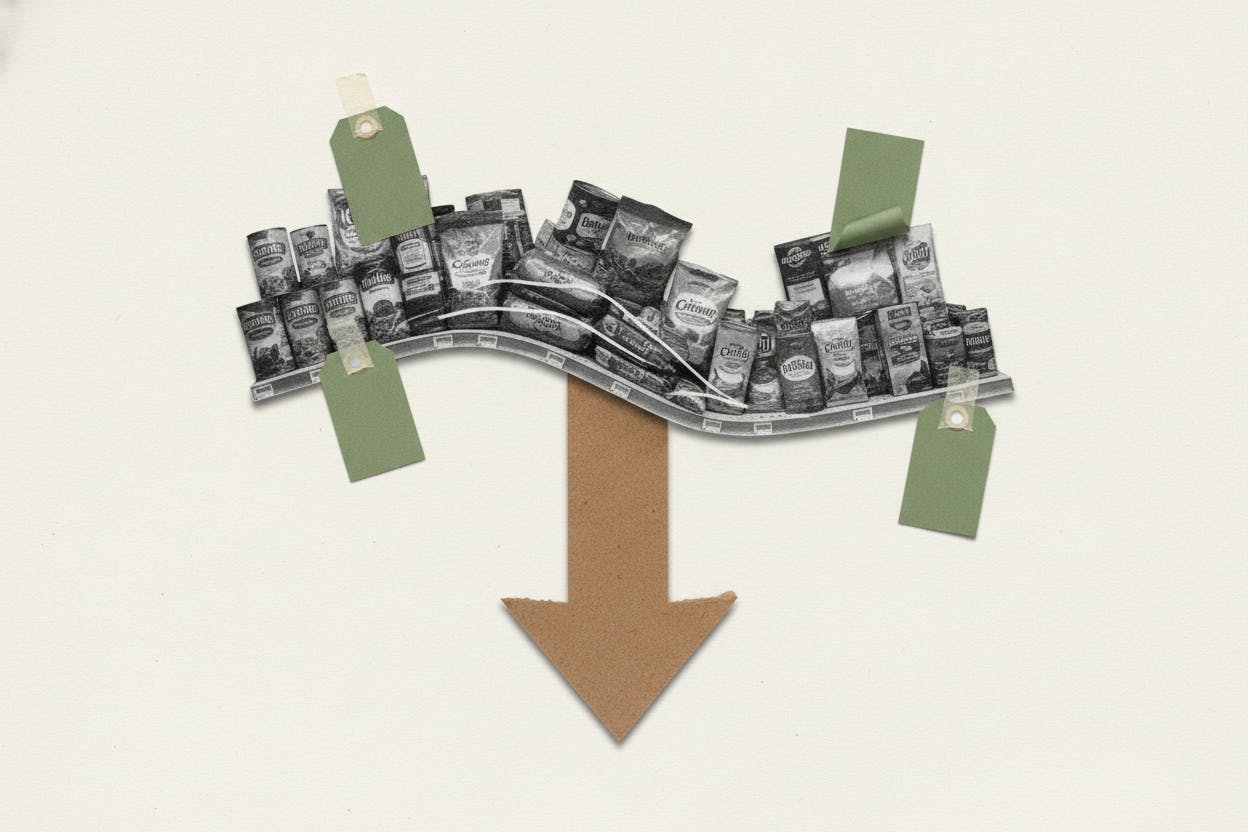
For consumer staples companies, which include giants like Procter & Gamble, Coca-Cola, and Walmart, steady demand is their hallmark. But if shoppers start hunting for deals or switching to private-label products, these firms could see slower sales growth or thinner margins. That's likely why the staples ETF dropped on the news.
What it means for investors
For everyday investors, this report is a reminder that consumer confidence is a leading indicator—not a guarantee. A softer outlook does not automatically mean consumers will stop spending, but it can signal a shift in behavior. Companies that sell discretionary items, like restaurants, travel, and entertainment, may be more vulnerable if confidence keeps sliding. On the other hand, discount retailers and value-oriented brands could benefit if shoppers become more price-conscious.
It's also worth noting that the staples sector is often seen as a safe haven during uncertain times. But Tuesday's decline shows that even defensive stocks can stumble when the underlying consumer picture darkens. Investors should watch for further data, such as retail sales and jobs reports, to see if the confidence dip translates into actual spending changes.
The broader market context matters too. Consumer confidence has been under pressure as inflation worries persist, and this latest reading adds to that narrative. Meanwhile, stocks have been edging higher as investors await big tech earnings and watch oil prices slide. The combination of softer consumer sentiment and mixed market signals suggests that investors should stay diversified and avoid making big bets based on a single data point.
What to watch next
Economists and investors will be parsing upcoming releases for clues about the consumer's health. Key indicators include monthly retail sales, jobless claims, and the next jobs report. If confidence continues to slide, it could raise the odds of the Federal Reserve cutting interest rates to support the economy—a move that would have broad implications for stocks and bonds.
For now, the message is clear: the American consumer is feeling a bit less confident, and that's showing up in the stock prices of companies that sell everyday goods. Whether this is a blip or the start of a trend will depend on whether the labor market and inflation data confirm the gloomier outlook.
As always, it's wise to keep a long-term perspective. Consumer confidence readings can be volatile, and one month's dip doesn't necessarily signal a recession. But for investors, it's a useful reminder to pay attention to the signals that drive market moves—and to ensure your portfolio is positioned for different economic scenarios.