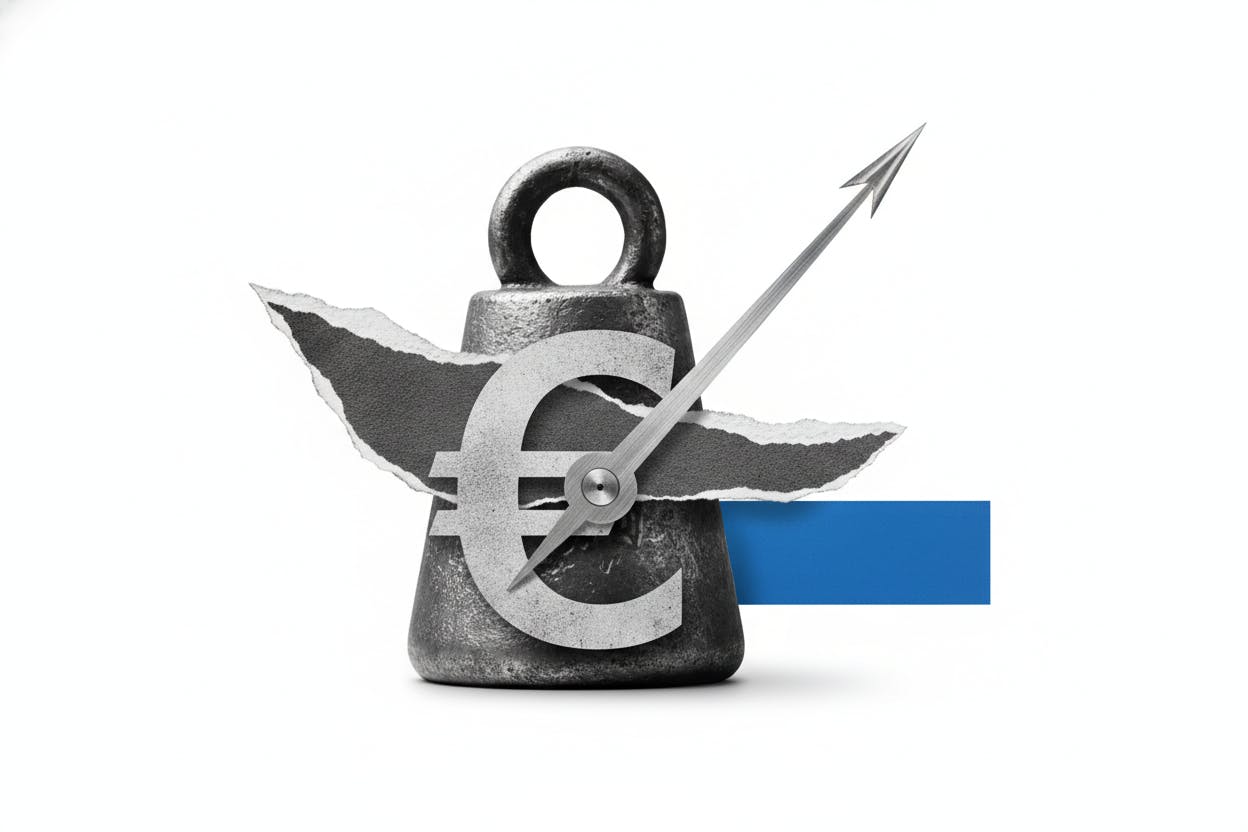
Danske Bank Research has updated its outlook for European Central Bank (ECB) policy, and the picture is one of a long pause after one final move. The Danish lender now expects the ECB to raise its deposit rate by 25 basis points in September 2026, bringing it to 2.50%, and then keep it there through the end of 2027. That marks a shift from its earlier view, which had anticipated a cut in 2027.
Why the ECB might hold steady
The key reason for the change, according to Danske Bank, is that the eurozone economy has proven more resilient than previously assumed. The recent uptick in inflation appears to be driven mostly by energy prices, and that pickup is not spreading broadly into other goods and services. At the same time, wage growth is cooling, and workers' inflation expectations have not jumped. That combination matters because central banks tend to worry most about inflation that becomes self-sustaining—where higher prices feed into wages and then back into prices again—rather than a one-off energy shock.
Danske Bank also points to artificial intelligence-related spending as a support for demand. Investment in AI infrastructure and applications is helping to keep economic activity buoyant, which reduces the need for the ECB to stimulate growth through rate cuts. This dynamic is not unique to Europe; globally, AI demand is boosting corporate revenues and capital expenditure plans.
What this means for investors
For everyday investors, the path of central bank rates is a big deal. Interest rates influence the cost of borrowing, the returns on savings accounts and bonds, and the valuation of stocks. If the ECB holds rates at 2.50% through 2027, that suggests a period of relatively stable monetary policy, with no aggressive easing on the horizon. That could be positive for banks, which tend to benefit from a steady rate environment, and for sectors that rely on predictable borrowing costs.
However, it also means that the era of ultra-low rates is firmly in the rearview mirror. Investors who have been hoping for a return to near-zero rates may be disappointed. Instead, the message is that the ECB is comfortable with a moderately restrictive stance, as long as inflation stays contained and the economy keeps growing.
It's worth noting that other central banks are taking different paths. For example, the Riksbank has held its rate at 1.75% but signaled possible hikes, while the Federal Reserve is facing renewed rate-hike speculation after hot inflation data. This divergence means that currency markets and global bond yields could see more volatility as investors adjust to different policy trajectories.
The broader picture
Danske Bank's forecast is just one house view, and central bank policy is always subject to change based on incoming data. But the reasoning highlights a key theme: the post-pandemic inflation surge is fading, but the transition to a more normal rate environment is proving bumpy. Energy prices remain a wildcard, and any major geopolitical shock could alter the outlook.
For now, the message is that the ECB is likely to stay on hold for an extended period, with one final hike in late 2026. That is a scenario that many investors may not have fully priced in, especially those expecting cuts. As always, it's wise to keep an eye on inflation data and central bank communications, as they will be the main drivers of market moves in the coming years.