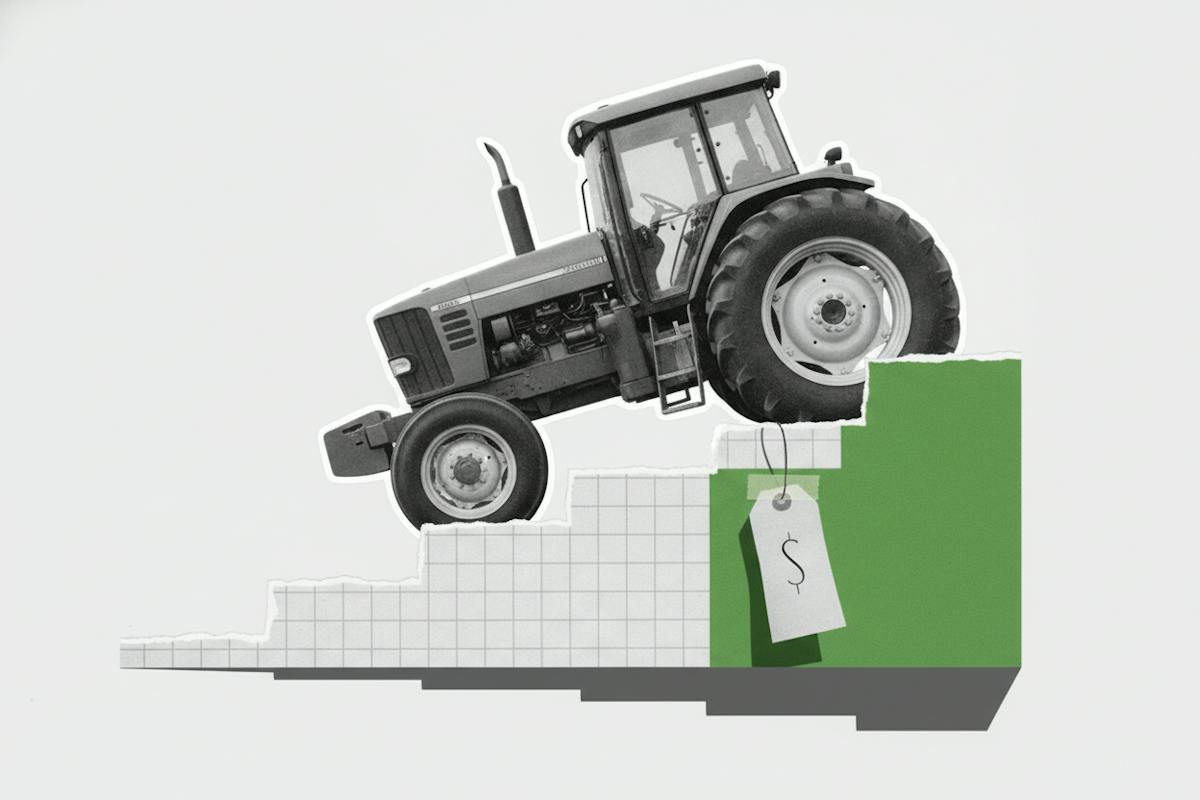
Deere & Co., the world's largest maker of tractors and combines, on Wednesday projected fiscal 2027 net income of $4.50 billion to $5.25 billion, a range that fell well short of the $5.91 billion analysts had been expecting. The news sent shares down about 4% in premarket trading, according to Reuters.
The company's outlook is the latest sign that the slump in demand for farm equipment may be deeper and longer-lasting than many investors had hoped. Farmers, who are Deere's core customers, have been holding off on big purchases as crop prices remain weak, while costs like fuel and fertilizer stay high, making farm incomes less predictable.
Why the outlook matters
Deere's forecast is closely watched as a bellwether for the broader agricultural economy. When farmers are confident, they invest in new machinery; when they're not, they repair old equipment and wait. The company's projection suggests that confidence is still lacking.
The company also flagged a one-time, non-cash pension charge of $250 million to $400 million, tied to offering some U.S. salaried retirees a voluntary lump-sum payout. That charge, while not affecting cash flow, will weigh on reported earnings in the fiscal year.
Deere's guidance is for fiscal 2027, which for the company runs from November 2026 through October 2027. That's a longer-range outlook than most companies provide, and it gives investors a sense of where management sees the cycle heading.
What it means for investors
For everyday investors, Deere's outlook is a reminder that cyclical companies—those whose profits rise and fall with the broader economy—can see their earnings swing sharply. Farm equipment is a classic cyclical business: when farm incomes are strong, demand booms; when they're not, sales can dry up quickly.
The stock's premarket drop reflects the market's disappointment, but it's worth noting that Deere's shares had already been under pressure as the farm economy weakened. The company's guidance suggests that the downturn could persist into 2027, which is a longer horizon than many had priced in.
Investors should also keep an eye on how Deere manages through the cycle. The company has a history of cutting costs and adjusting production to match demand, which can help protect its balance sheet. But the pension charge, while non-cash, adds to the noise in reported earnings.
Broader context
Deere's struggles are part of a wider trend in agriculture. Crop prices have been under pressure for several years, and input costs—especially fuel and fertilizer—have remained elevated. That squeeze has made farmers cautious about big-ticket purchases.
The company's outlook also comes at a time when other industrial and manufacturing firms are facing similar headwinds. For instance, HBX shares slid 14% after its profit dipped and its 2027 outlook split analysts, highlighting the broader uncertainty in the sector.
On the macro side, interest rates and currency movements can also affect Deere's results. The company sells globally, and a stronger dollar can make its equipment more expensive overseas. While the brief doesn't mention rates, the RBA's recent comments on restrictive rates show how central bank policy can ripple through the economy and affect demand for big-ticket items.
What to watch next
Investors will be watching Deere's next earnings report for more details on order trends and how the company plans to navigate the downturn. They'll also be looking at crop price forecasts and any changes in farmer sentiment.
For those who own Deere stock, the key question is how long the downturn lasts and how quickly the company can recover when it does. Historically, Deere has been a solid long-term investment, but cyclical downturns can test even the best companies.
For those considering buying, it's important to remember that a low stock price doesn't necessarily mean a bargain. The market is pricing in a prolonged slump, and if that proves accurate, the stock could stay under pressure for a while.
In the meantime, Deere's outlook is a useful reminder that even the biggest, most successful companies can face tough times. The key is to understand the cycle and be patient.